Iron ore prices are a key indicator of raw material cost movements in the iron and steel industry. As of November 10, 2026, the benchmark futures price for 62% Fe iron ore stood at approximately USD 92.54 per tonne, equivalent to nearly VND 2.39 million per tonne based on an assumed exchange rate of VND 25,800/USD. Stavian Industrial Metal provides updated price information, analyzes the factors influencing market movements, and guides businesses in selecting suitable iron ore sources for their production requirements.
The international iron ore market experienced relatively narrow price fluctuations during the first trading sessions of November 2026. The price of benchmark 62% Fe iron ore recently traded within the range of USD 91–93 per tonne, reflecting the balance between supply pressures and raw material demand from steel mills.
For metallurgical enterprises, these prices provide an important basis for developing procurement plans, estimating production costs, and assessing market trends. However, international benchmark prices do not necessarily represent actual purchase prices in Vietnam, as individual transactions also depend on ore quality, origin, and delivery terms.
Iron ore fines containing 62% Fe are widely used as a benchmark in international trading. This is a common iron content grade, allowing businesses to compare prices across suppliers and evaluate the premiums or discounts associated with higher- or lower-grade iron ore.
On November 10, 2026, the price of 62% Fe iron ore futures on a CFR China basis was recorded at USD 92.54 per tonne. Previously, prices reached USD 92.71 per tonne on November 9 and USD 93.12 per tonne on November 5. These figures indicate that the market had not established a clear upward or downward trend in the short term.
Notably, inventory pressures at Chinese ports and cautious raw material purchasing by steel mills have limited the potential for price increases. Businesses should monitor both futures and spot market developments to identify suitable purchasing opportunities.

To estimate raw material costs, businesses can convert international iron ore prices from USD into VND by multiplying the unit price by the USD/VND exchange rate at the time of calculation.
For example, with an iron ore price of USD 92.54 per tonne and an assumed exchange rate of VND 25,800/USD:
92.54 × 25,800 = VND 2,387,532 per tonne.
Therefore, the converted value is approximately VND 2.39 million per tonne. This is only a currency conversion of the CFR China benchmark price, not an actual quotation for iron ore delivered in Vietnam.
To calculate an actual import budget, businesses must also consider freight costs to Vietnamese ports, insurance where applicable, customs clearance expenses, relevant taxes, loading and unloading charges, storage costs, and domestic transportation.
Furthermore, spot iron ore prices and futures prices may differ even at the same point in time. Therefore, when preparing raw material procurement budgets, businesses should use commercial quotations that reflect the actual destination port, delivery schedule, and payment terms.
The latest iron ore prices depend significantly on total iron content, ore classification, and trading methods. Among these, 62% Fe iron ore serves as the primary benchmark, while 61% Fe ore, 65% Fe ore, and commercial grades such as PB Fines have their own pricing structures.
The following table summarizes the prices recorded on November 10, 2026, providing businesses with a reference for evaluating the metallurgical raw materials market.
| Iron Ore Type and Grade | Reference Price | Unit | Trading Characteristics |
|---|---|---|---|
| 62% Fe Iron Ore Fines | 92.54 | USD/tonne | Benchmark futures contract on a CFR China basis, closing price on November 10, 2026. |
| 61% Fe Seaborne Iron Ore | 91.35 | USD/dmt | Seaborne iron ore price index, calculated on a dry metric tonne basis. |
| 65% Fe High-Grade Iron Ore | 107.60 | USD/dmt | High-grade iron ore fines price index in the seaborne market. |
| 60.8% Fe PB Fines | 647 | CNY/wmt | Spot offer price at Qingdao Port, China, on November 10, 2026; the quoted price includes applicable taxes in the local market. |
| DCE Iron Ore Futures Contract I2701 | 684.0 | CNY/tonne | Closing price of the January 2027 futures contract on the Dalian Commodity Exchange on November 10, 2026. |
Note: The prices in this table are based on the trading session of November 10, 2026, and do not represent real-time data. These prices refer to different commodities, weight measurement units, and trading conditions. Therefore, they should not be compared directly or used as substitutes for actual purchase quotations.
Iron ore price fluctuations are driven by a combination of mining output, inventory levels, steelmaking demand, international transportation costs, and economic policies. China plays a particularly important role because it is one of the world’s largest iron ore importing and consuming markets.
In early November 2026, the market was affected by relatively abundant supplies at major ports, while steel mills had not significantly increased their raw material stockpiling activities.
Iron ore inventories at ports are among the most important indicators of the balance between supply and consumption. When imported iron ore arrivals exceed the volume withdrawn from ports by steel mills, inventories increase, putting downward pressure on spot prices.
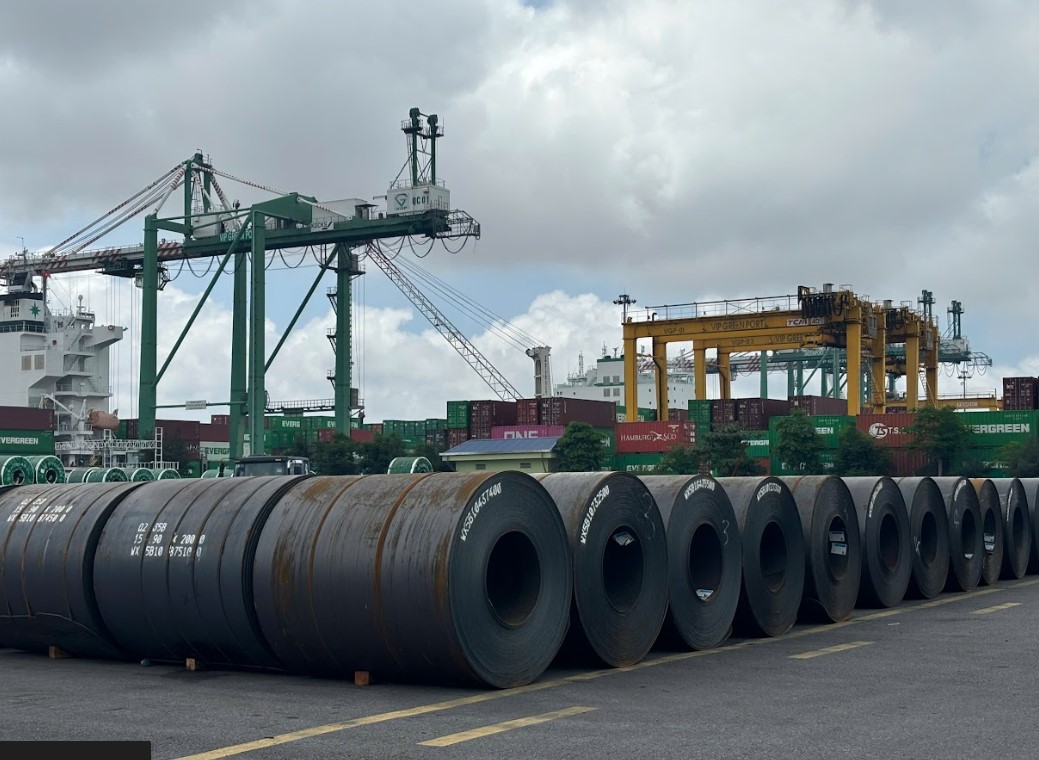
During the week ending November 6, 2026, iron ore arrivals at major Chinese ports increased by as much as 33.3% compared with the previous week, reaching approximately 31.01 million tonnes. Across 35 monitored ports, inventories reached around 149.13 million tonnes, an increase of 1.08 million tonnes from the previous week.
At 10 major ports, inventories reached approximately 104.68 million tonnes on November 5, representing an increase of around 630,000 tonnes compared with the previous reporting period.
These figures indicate that inventory accumulation remained a notable source of market pressure. However, iron ore arrivals can fluctuate significantly from week to week, meaning that long-term market trends should not be determined from a single reporting period.
If withdrawals of iron ore for steel production recover, inventory pressure may ease. Conversely, if supplies remain high while consumption stays weak, the upward momentum of global iron ore prices could remain limited.
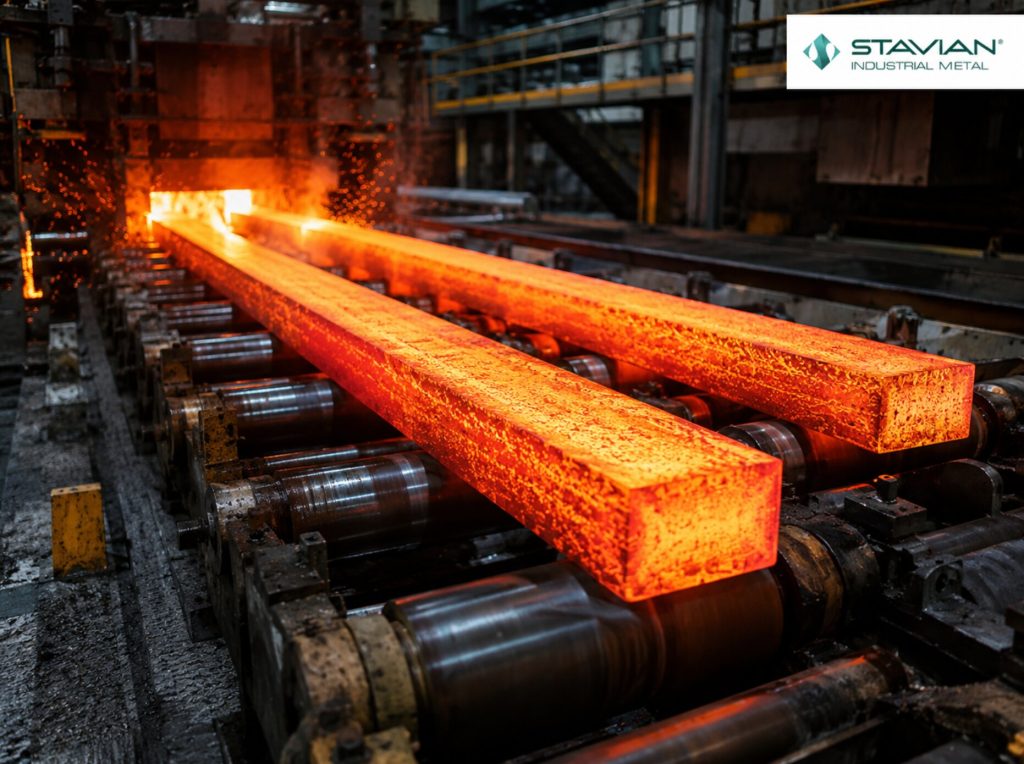
Iron ore is primarily used in the production of iron and steel. Therefore, hot metal output from blast furnaces is an important indicator of raw material consumption demand.
When steel mills increase production capacity utilization, demand for iron ore generally improves. Conversely, production cuts or blast furnace maintenance reduce iron ore consumption, putting downward pressure on prices.
During the first week of November 2026, China’s average daily hot metal output declined for the fourth consecutive week, falling to approximately 2.31 million tonnes per day as of November 5. Many steel mills primarily purchased iron ore to meet their immediate operational requirements.
In addition to production conditions, the following factors also influence demand:
Therefore, when evaluating iron ore price trends, businesses should consider steel production data alongside finished steel price movements rather than focusing solely on raw material prices.
Australia and Brazil are major suppliers of seaborne iron ore to international markets. Mining, export, and transportation activities in these countries can significantly affect raw material prices.
When ocean freight costs increase, iron ore prices delivered to importing ports may face upward pressure even if mine-site prices remain unchanged. Conversely, lower freight rates can help businesses reduce import expenses.
However, freight rates do not fluctuate uniformly across all shipping routes. In early November 2026, the Brazil–China and Australia–China routes experienced different market developments, making delivery costs highly dependent on the country of origin.
In addition, the USD/VND exchange rate directly affects the costs incurred by importing businesses in Vietnam. When the US dollar appreciates against the Vietnamese dong, the amount of local currency required to pay for the same USD-denominated shipment increases accordingly.
Businesses should incorporate exchange rate and freight cost fluctuations into their budgeting strategies, particularly for long-term supply contracts or high-value orders.
Stavian Industrial Metal operates in the industrial metal materials trading sector, providing solutions that meet the raw material and material supply requirements of various manufacturing industries.
Established on June 18, 2021, Stavian Industrial Metal has developed its business operations by leveraging an international partner network, a domestic distribution system, and the trading capabilities of Stavian Group.
For customers seeking to purchase iron ore, Stavian Industrial Metal aims to provide products with transparent origin information, clearly defined technical specifications, and trading solutions tailored to actual procurement requirements.
The iron ore products offered by Stavian Industrial Metal include various grades for metallurgical applications, with Fe content ranging from 60% to 68% and specifications determined by product category.
Reference technical specifications for the product portfolio include:
| Parameter | Reference Specification |
|---|---|
| Origin | Supply sources introduced from international markets |
| Iron Ore Concentrate Particle Size | 0.15–6.3 mm |
| Lump Ore Size | 6.3–40.0 mm |
| Fe Content | 60.0–68.0% |
| SiO₂ | ≤ 4.5% |
| Al₂O₃ | ≤ 2.5% |
| P | ≤ 0.15% |
| S | ≤ 0.07% |
| Moisture | < 4.0% |
Stavian Industrial Metal offers iron ore products that are presented as inspected and certified by SGS, along with information regarding product origin. Specific technical parameters should be confirmed through the technical documentation and supporting certificates of each actual shipment.
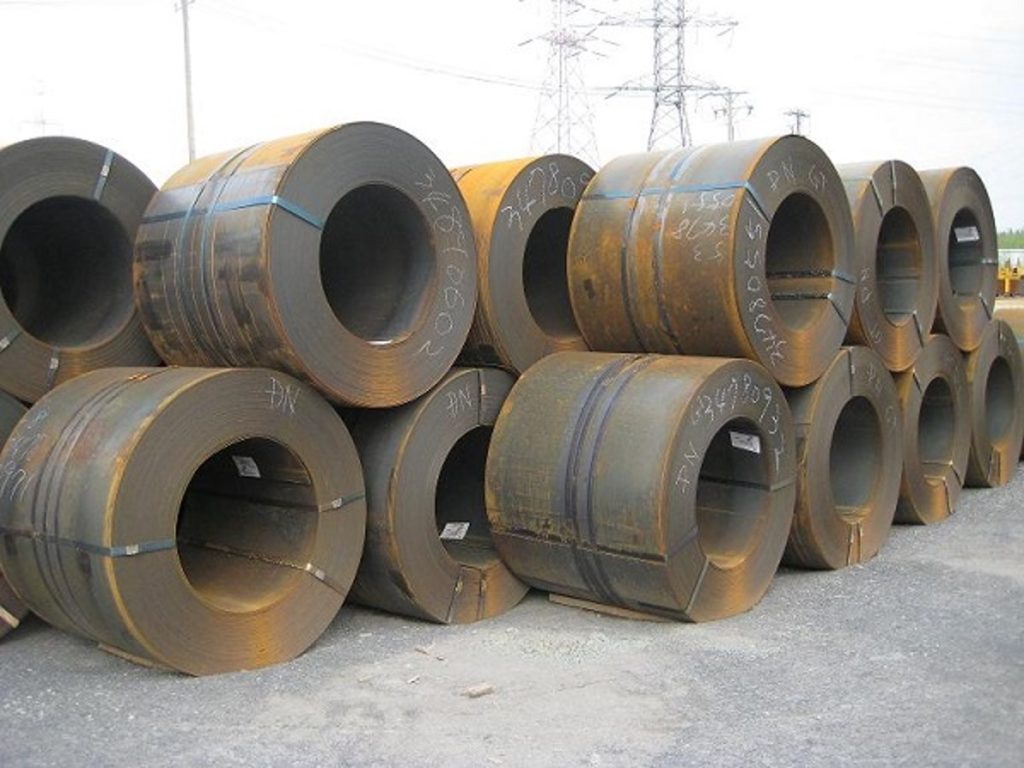
In addition to iron ore, the company distributes steel billets, hot rolled steel, cold rolled steel, and other products within the industrial materials supply chain.
Stavian Industrial Metal benefits from Stavian Group’s partner network spanning more than 100 countries and territories, together with offices and warehousing facilities in Hanoi, Hai Phong, and Ho Chi Minh City. This infrastructure provides a foundation for the company to develop international trading solutions and support raw material supply activities.
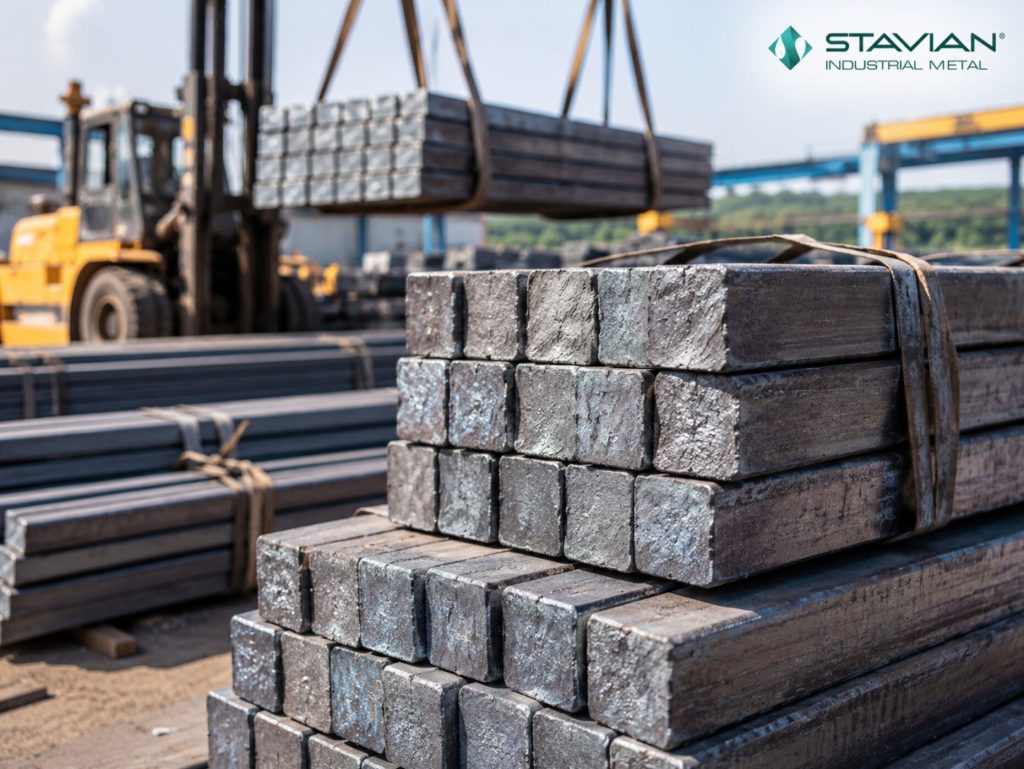
To receive a suitable iron ore quotation, businesses should prepare detailed requirements regarding product quality, order volume, and delivery conditions before making an inquiry.
The consultation and purchasing process may include the following steps:
Stavian Industrial Metal does not publicly apply a single fixed price to all iron ore products. Unit prices must be confirmed for each transaction based on specific requirements and prevailing market conditions at the time of quotation.
Customers can visit the Stavian Industrial Metal contact page or use the following contact information for direct consultation:
Providing complete technical requirements from the beginning helps streamline the quotation process while minimizing discrepancies when comparing supply options and preparing procurement budgets.
Iron ore prices in November 2026 are being influenced by port inventories, steel production demand, and fluctuations in international trade. The benchmark price of USD 92.54 per tonne for 62% Fe iron ore provides businesses with a reference for monitoring market developments but does not replace actual delivered-price quotations. With a diverse industrial raw materials portfolio and an international trading network, Stavian Industrial Metal is ready to receive consultation requests, provide product information, and offer iron ore quotations tailored to customers’ requirements.
Related Articles
Address
Website: https://stavianmetal.com
Email: info@stavianmetal.com