



| CATEGORIES | DETAILS |
| Grades | Al99.90/Al99.85/Al99.70/Al99.60… Al 99-99.9% min. Others: Al96 or ADC-6, ADC-12/A-413, A-360… |
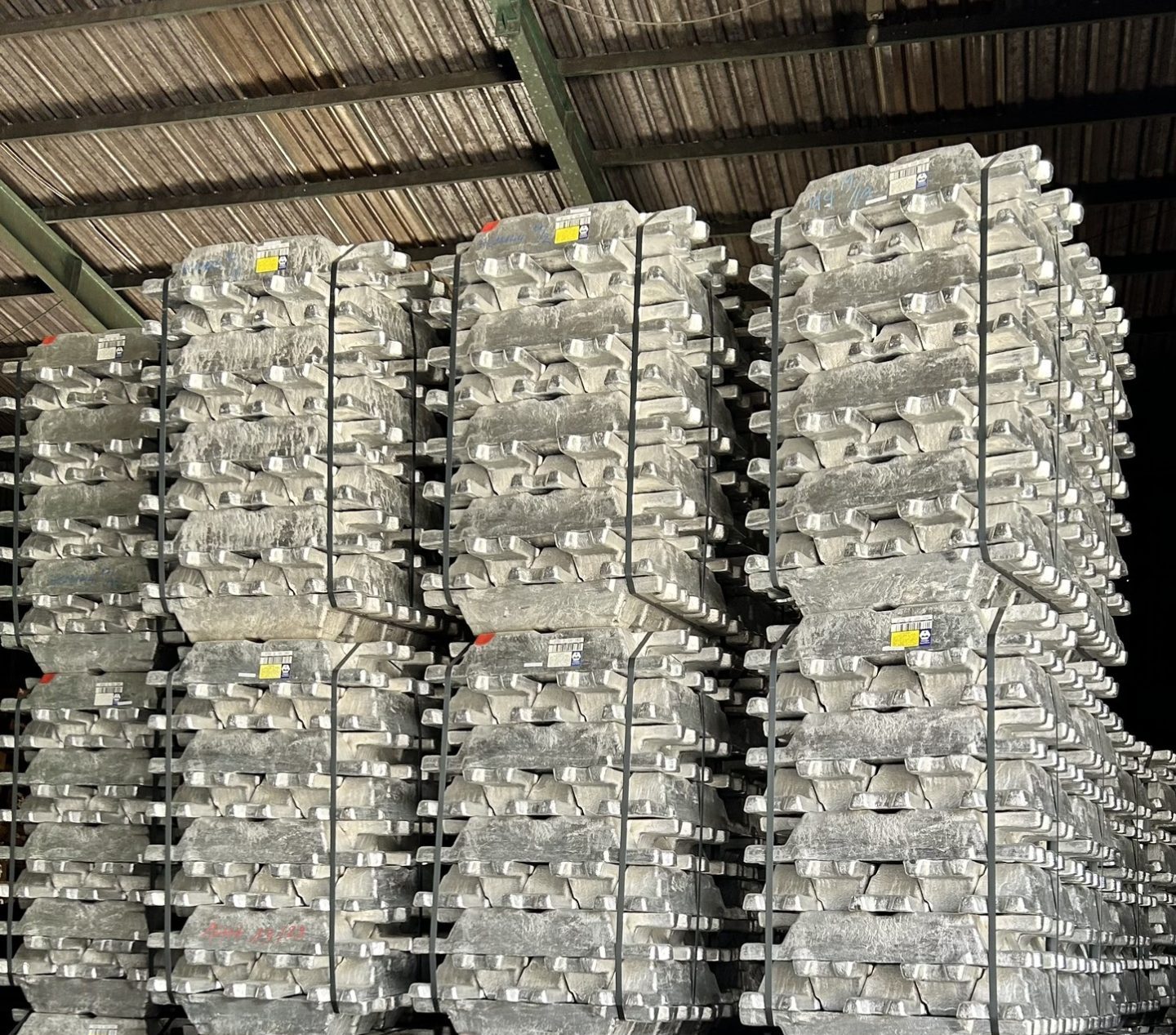
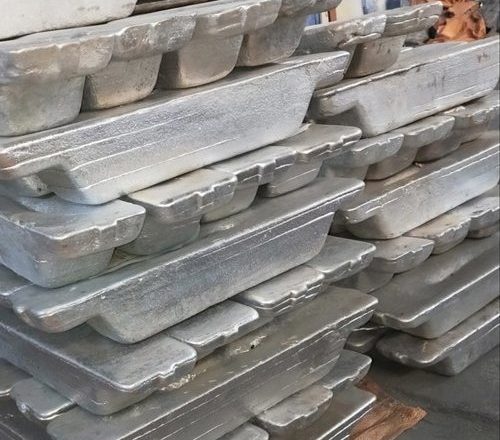
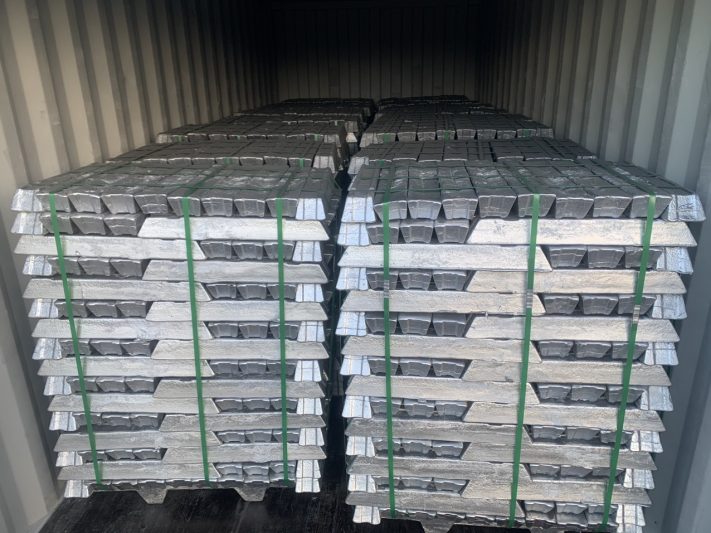
| Appearance & Weight | Silvery white color, approximately 20-25 kg per ingot, or as per specific standards of each manufacturer |
Aluminum Ingot
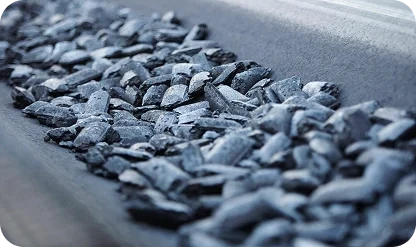
Stavian Industrial Metal.,JSC provides high-quality aluminum ingots which are raw materials for the production of aluminum alloys (aluminum billet) and final aluminum profiles.
All products offered by Stavian Industrial Metal.,JSC are well-sourced and trusted by domestic and foreign markets.
0 ₫
Aluminum ingot is an essential raw material in the metallurgical industry, widely used in aluminum alloy production, component casting, billet manufacturing, and various industrial applications. With its lightweight properties, corrosion resistance, excellent thermal conductivity, and high recyclability, aluminum ingot plays a fundamental role in the aluminum production supply chain. Join Stavian Industrial Metal to explore its types, characteristics, applications, and how to select the right aluminum ingot for your manufacturing needs.
What Is Aluminum Ingot? Manufacturing Process
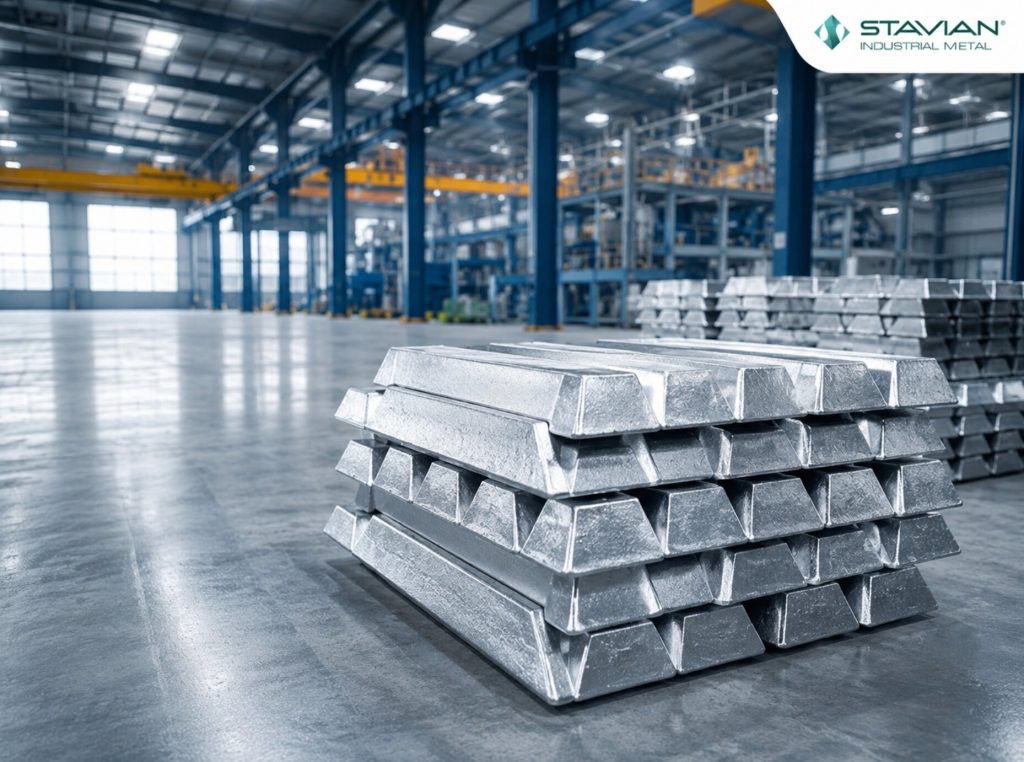
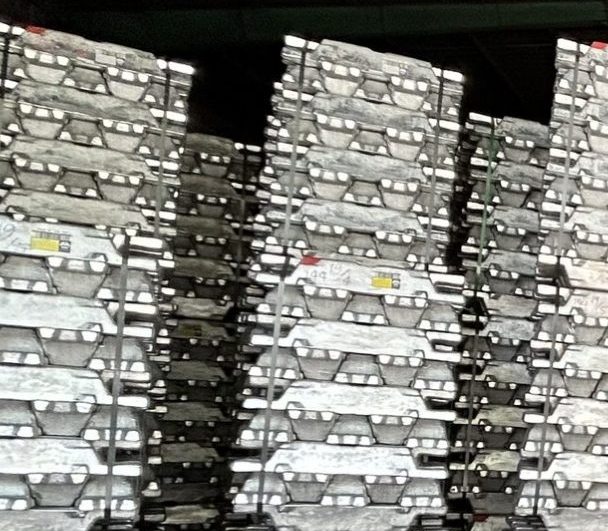
Aluminum ingot (also known as aluminium ingot) is a form of aluminum metal cast into solid blocks after smelting, refining, and chemical composition control. These ingots typically have rectangular, trapezoidal, or truncated pyramid shapes, designed for convenient stacking, bundling, transportation, and storage.
Aluminum ingots can be produced from two main raw material sources:
- Primary aluminum: Bauxite ore is refined into alumina (Al2O3), which then undergoes electrolysis to produce aluminum metal. The molten aluminum is further processed and cast into ingots.
- Recycled aluminum: Aluminum scrap is collected, sorted, cleaned, and melted. The molten metal undergoes dross removal, degassing, and alloy composition adjustment before being cast into new ingots.
Once the required chemical composition is achieved, molten aluminum is poured into molds, cooled, and solidified. The finished aluminum ingots are then inspected, bundled, and transported to manufacturing facilities.
Unlike processed aluminum products such as sheets, wires, or extruded profiles, aluminum ingots primarily serve as raw materials. Manufacturers use aluminum ingots to produce alloys, cast mechanical components, manufacture aluminum billets, or create rolling stock for further processing.
1. Common Types of Aluminum Ingots
Based on chemical composition and purity, aluminum ingots are divided into two main categories: pure aluminum ingots and aluminum alloy ingots. They can also be classified by raw material source into primary and secondary aluminum. Each category has distinct technical characteristics and applications.
1.1. Pure Aluminum Ingots (Primary Aluminum Ingots)
Pure aluminum ingots contain a high percentage of aluminum, with elements such as iron, silicon, copper, and other impurities maintained at low levels. Common purity grades include Al99.70, Al99.85, and Al99.90, corresponding to the specified minimum aluminum content of each grade.
Thanks to their relatively consistent chemical composition, high-purity aluminum ingots are suitable as base materials for alloy production, aluminum billets, rolled aluminum products, and applications requiring strict impurity control.

1.2. Aluminum Alloy Ingots
Aluminum alloy ingots are manufactured by combining aluminum with elements such as silicon (Si), copper (Cu), magnesium (Mg), manganese (Mn), or zinc (Zn) in specified proportions. The alloying process helps modify mechanical properties, hardness, mold-filling capability, and processing characteristics.
Each alloying element serves a specific purpose. Silicon generally improves castability; copper can enhance strength and hardness in certain alloy systems; and magnesium contributes to improved mechanical properties and strengthening when combined with appropriate heat treatment processes.
Some common aluminum alloy ingot grades include:
- ADC12: An Al-Si-Cu alloy commonly used in die casting to manufacture transmission housings, pump bodies, equipment enclosures, and mechanical components.
- A380: A cast aluminum alloy with excellent mold-filling capability, suitable for complex components requiring dimensional stability.
- A356: An Al-Si-Mg alloy with good castability and heat treatment capability, used for components requiring enhanced mechanical properties.
Unlike pure aluminum ingots, aluminum alloy quality cannot be evaluated solely based on aluminum content. Manufacturers must also examine alloying element concentrations, impurity limits, and chemical composition consistency across production batches.
1.3. Classification of Aluminum Ingots by Raw Material Source
In addition to chemical composition, aluminum ingots can be classified according to the origin of the metal. Primary aluminum ingots are produced through bauxite refining and alumina electrolysis. They are often preferred when high aluminum purity and strict impurity control are required.
Meanwhile, secondary aluminum ingots are produced by remelting aluminum scrap. Raw materials may include manufacturing scrap, aluminum offcuts, used industrial components, or aluminum products recovered at the end of their service life.
Recycled aluminum can meet the requirements of various casting and industrial manufacturing applications when its composition is properly controlled. However, scrap sorting must minimize unintended mixing between different alloy systems, as accumulated impurities can affect casting quality.

2. Key Advantages of Aluminum Ingots in Industrial Manufacturing
Aluminum ingots are widely used not only because of aluminum’s inherent properties but also because their physical form is well suited to large-scale manufacturing operations. From transportation and storage to smelting and recycling, aluminum ingots offer practical advantages for industrial businesses.
2.1. Convenient Transportation, Storage, and Material Preparation
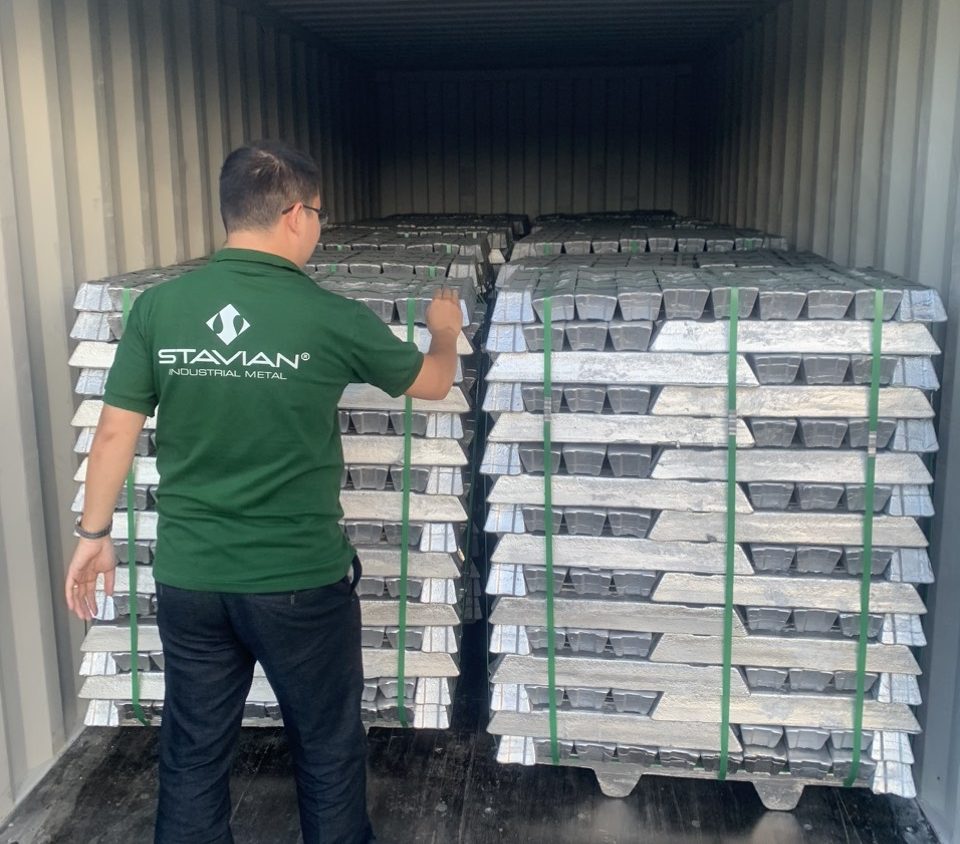
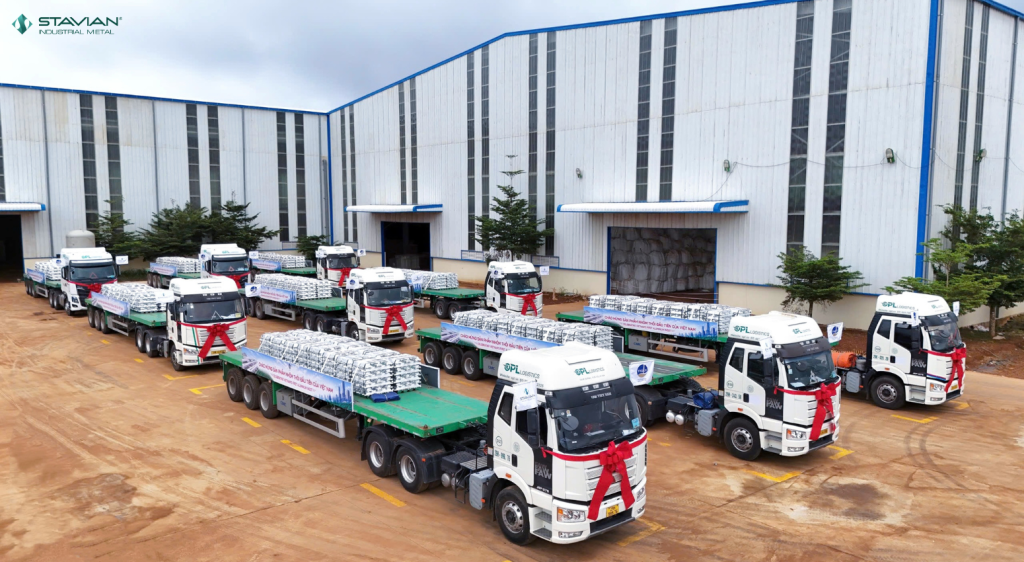
Aluminum ingots are typically cast into blocks with relatively uniform shapes and weights. This design allows the ingots to be stacked into bundles, secured with straps, and transported by various methods, including road and sea freight.
Compared with transporting molten aluminum, solid ingots are more practical for long-distance raw material trade between manufacturing facilities. They can be stored, inventoried, and introduced into production according to manufacturing schedules without requiring specialized molten metal transportation systems.
For alloy production facilities, relatively consistent ingot dimensions make it easier to calculate furnace charging quantities. Technical teams can combine base aluminum, master alloys, and recycled process materials according to the target composition of each melt.
However, aluminum ingots must still be stored in dry conditions and clearly separated by grade and source. Bundles should be properly secured to prevent shifting or collapse during handling and transportation.
2.2. Easy Melting and Flexible Processing
Pure aluminum has a melting point of approximately 660°C, significantly lower than many industrial metals such as iron and steel. This characteristic facilitates smelting, remelting, and alloy composition adjustment in manufacturing processes.
However, the actual melting temperature of aluminum alloys varies depending on their chemical composition. Furnace operating temperatures are generally higher than the melting point to ensure sufficient molten metal fluidity and meet refining and casting requirements.
Aluminum ingots can be processed using various technologies, including die casting, gravity casting, sand casting, and billet casting for rolling and extrusion. Adding alloying elements during melting enables manufacturers to achieve material properties suitable for specific processing methods.
To maintain production efficiency, businesses must control temperature, melting time, metal losses, dross, and dissolved gases. Aluminum ingots with consistent chemical composition help reduce the need for material adjustments and minimize the risk of producing off-specification alloys.
2.3. Lightweight, Excellent Thermal Conductivity, and Corrosion Resistance
Aluminum has a density of approximately 2.7 g/cm³, nearly one-third that of conventional steel. Therefore, when the appropriate alloy grade and structural design are selected, aluminum products can achieve significant weight reductions compared with materials of higher density.
This advantage is particularly valuable in the automotive, motorcycle, transportation, and electronics industries, as well as other applications where weight optimization is essential. However, the load-bearing capacity of the final product also depends on alloy composition, heat treatment condition, and structural design.
Aluminum also offers good thermal and electrical conductivity. These properties make it suitable for manufacturing heat sinks, electrical conductors, busbars, and various electrical and electronic components.
When exposed to air, aluminum naturally forms a thin oxide layer that protects the underlying metal in many common environments. Nevertheless, corrosion resistance varies between alloys, particularly when products are exposed to chemicals, salt-containing environments, or electrochemical corrosion conditions.

2.4. High Recyclability and Efficient Resource Utilization
Recyclability is one of aluminum’s key advantages. Scrap generated during casting, machining, rolling, extrusion, or from end-of-life products can be collected, sorted, and returned to the metallurgical production cycle.
Reusing aluminum reduces the need to produce all new metal from bauxite ore. Under comparable conditions, recycled aluminum production can require approximately 95% less energy than primary aluminum production. Actual energy savings depend on the scrap source, recycling technology, and scope of calculation.
For manufacturers, combining primary aluminum with properly managed recycled aluminum is an effective approach to raw material utilization. The proportion of each material must be determined based on the required alloy composition and molten metal analysis results.

3. Applications of Aluminum Ingots Across Industries
Aluminum ingots serve as raw materials for numerous manufacturing industries, including automotive, motorcycle, construction, power generation and transmission, electronics, and consumer goods. Depending on their intended applications, aluminum ingots undergo melting, alloying, and further processing into suitable materials or components.
3.1. Automotive, Motorcycle, and Mechanical Component Manufacturing
The automotive and motorcycle industries use various cast aluminum alloys to manufacture components that require a balance of lightweight construction, strength, and formability. Typical products include transmission housings, pump bodies, cylinder heads, brackets, drivetrain housings, and certain engine components.
ADC12 and A380 aluminum ingots are commonly selected for die casting due to their good fluidity and ability to fill complex molds. Meanwhile, A356 is suitable for certain gravity casting or low-pressure casting processes, particularly when components require heat treatment to improve mechanical properties.
3.2. Aluminum Billet and Extruded Aluminum Profile Production
One of the major applications of primary aluminum ingots is the production of aluminum billets. These are typically cylindrical aluminum semi-finished products primarily used in extrusion processes to manufacture aluminum profiles.
During production, aluminum ingots are melted together with suitable charge materials. The chemical composition is then adjusted to meet the required alloy grade, followed by molten metal treatment and casting into billets of specified diameters.
3.3. Applications in Power, Telecommunications, Electronics, and Household Products
Thanks to its excellent electrical conductivity and low density, aluminum is widely used in electrical wires, power cables, and certain components of power transmission systems. Aluminum ingots of suitable purity can be processed into aluminum rod through casting and rolling, then drawn into wires according to specific requirements.
In the electrical industry, electrical conductor aluminum grades such as EC-Al 1350 or 1070 are selected according to finished product standards. Stavian Industrial Metal currently supplies finished and semi-finished aluminum products, including aluminum wire used in electrical wire, cable, and electronic component manufacturing.
4. Aluminum Ingot vs. Aluminum Billet: What Are the Differences?
Aluminum ingots and aluminum billets are both intermediate materials in the aluminum production supply chain, but they differ in shape, processing stage, and intended applications. Aluminum ingots are primarily used for melting, casting, or alloy preparation, while billets are generally prepared for extrusion processes.
| Criteria | Aluminum Ingot | Aluminum Billet |
|---|---|---|
| Shape | Typically rectangular, trapezoidal, or truncated pyramid-shaped blocks, sometimes featuring grooves for stacking. | Usually solid cylindrical bars with specified diameters and lengths. |
| Production Stage | Cast into ingots from primary or remelted aluminum. | Cast from molten aluminum with an adjusted chemical composition, potentially using ingots as one of the raw materials. |
| Composition | Includes pure aluminum and various aluminum alloys used for melting and casting. | Commonly uses extrusion-grade alloys such as 6063, 6061, and 6005. |
| Metal Structure | Primarily intended for remelting or use as casting raw material. | Features a controlled as-cast structure and typically undergoes homogenization treatment to meet extrusion requirements. |
| Subsequent Processing | Generally remelted for alloy preparation, component casting, or production of other semi-finished materials. | Heated to a suitable extrusion temperature and forced through a die while remaining in a hot solid state. |
| Applications | Alloy production, component casting, and manufacturing billets, slabs, and other semi-finished products. | Extrusion into aluminum profiles, window frames, industrial profiles, and architectural structures. |
| Typical Users | Aluminum smelters, alloy foundries, and manufacturers of billets and other semi-finished materials. | Aluminum extrusion plants and manufacturers of extruded profiles and technical sections. |
The most important difference lies in the manufacturing stage for which each material is directly intended. Businesses equipped with melting furnaces and casting systems can use aluminum ingots for alloy preparation or billet production. Meanwhile, extrusion manufacturers require billets with chemical compositions, diameters, and metallurgical structures compatible with their equipment.
Understanding the differences between these two materials helps businesses select suitable raw materials, reduce unnecessary processing stages, and better control manufacturing costs.
5. Aluminum Ingot Products at Stavian Industrial Metal
Stavian Industrial Metal operates in the industrial metal trading sector, supplying a wide range of aluminum raw materials and products to manufacturers in domestic and international markets.
Among its core product categories, Vietnamese aluminum ingots are used as raw materials for alloy production, billet manufacturing, component casting, and various other industrial aluminum products.
Stavian Industrial Metal’s aluminum ingot portfolio includes multiple purity grades and alloy categories designed to meet different manufacturing requirements.
| Category | Product Specifications |
|---|---|
| High-Purity Aluminum Grades | Al99.90, Al99.85, Al99.70, Al99.60, Al99.50, Al99.00, Al99.7E, Al99.6E. |
| Aluminum Content | Minimum aluminum content of approximately 99%–99.9%, depending on the high-purity aluminum grade. |
| Other Grades | Al96, ADC-6, ADC-12, A-413, A-360, and other options upon request. |
| Color | Characteristic silvery-white aluminum appearance. |
| Weight | Approximately 20–25 kg per ingot, or according to individual manufacturer specifications. |
| Applications | Alloy production, casting, billet manufacturing, rolling stock production, and industrial fabrication. |
The actual specifications of each aluminum ingot batch must be confirmed based on the material grade, manufacturer, and quality documentation. For casting alloys in particular, the permitted concentrations of Si, Fe, Cu, Mg, Zn, and other elements must be checked against the manufacturing process requirements.
In addition to aluminum ingots, Stavian Industrial Metal offers a comprehensive aluminum product portfolio for different stages of production:
- Alumina: Aluminum oxide (Al2O3) raw material used in the primary aluminum production chain. Vietnamese-origin alumina products in the portfolio have an Al2O3 content of approximately 98.5%–98.78%.
- Aluminum Billets: Aluminum billets for extrusion applications, available in grades such as 6005, 6063, 6061, and other options upon request. Listed diameters include 89 mm, 120 mm, 127 mm, 152 mm, 178 mm, and 202 mm.
- Finished and Semi-Finished Aluminum Products: Including aluminum extrusions, aluminum wire, aluminum sheets, and aluminum coils for construction, electrical and electronics, transportation, mechanical engineering, and supporting industries.
In July 2026, Stavian Industrial Metal participated in receiving and distributing the first batch of aluminum ingots produced by the Dak Nong Aluminum Electrolysis Plant. This marked an important development in Vietnam’s primary aluminum supply chain, contributing to the availability of domestically produced raw materials for manufacturing businesses.
Through its commercial network and distribution operations in Vietnam, Stavian Industrial Metal aims to connect industrial metal suppliers with the specific production requirements of its customers.
Conclusion
Aluminum ingots are fundamental raw materials in the aluminum industry, widely used in alloy production, component casting, billet manufacturing, and various other applications. Selecting the appropriate grade, purity, chemical composition, and supplier helps manufacturers maintain product quality, reduce defects, and optimize production efficiency. Stavian Industrial Metal supplies a diverse range of aluminum ingots and industrial aluminum products to meet the raw material requirements of various manufacturing industries.
View more other products

Contact form