ESG (Environmental, Social, and Governance) is increasingly becoming a crucial standard shaping how businesses operate in the context of a global economy shifting towards a sustainable growth model. ESG is no longer just a formal commitment, but is concretized into clear requirements for transparency, risk management, and accountability throughout the value chain.
In the context of the industrial metals market – a sector with high resource consumption and emissions – ESG plays an increasingly crucial role in minimizing environmental impact, efficiently utilizing materials, and meeting increasingly stringent standards.
Based on that foundation, under the leadership of the company's management, Stavian Industrial Metal has been integrating ESG into its operations, gradually building the groundwork for sustainable long-term development strategies and directions from the moment of its establishment.
The ESG strategy is integrated throughout Stavian Industrial Metal's development strategy, business development, and operational management, aiming to ensure sustainable long-term growth. Stavian Industrial Metal develops strategies, action plans, and specific performance indicators based on the three pillars of ESG, thereby ensuring practicality, feasibility, and effectiveness in implementation.
In this context, Stavian Industrial Metal focuses on promoting the two pillars of Environment (E) and Governance (G), which serve as the foundation and guide for the implementation of Social (S) goals through the development of strategic products, collaborative processing and manufacturing models, and long-term investment activities.


Green metals are products manufactured using environmentally friendly technology, without the use of fossil fuels, and are sustainable with low carbon emissions throughout the entire production process (According to Bloomberg, World Economic Forum).
Stavian Industrial Metal identifies green industrial materials as a key product in its long-term development strategy, contributing to a strong push towards the global trend of consuming green industrial materials.
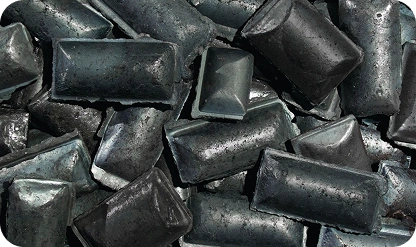
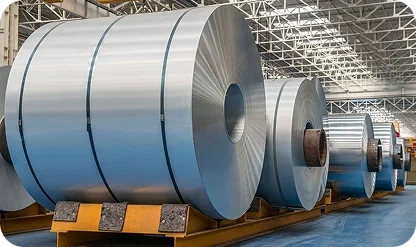
We aim for net carbon emissions of zero through the development and growth of an ecosystem of sustainable value products, such as: Green steel (HRC, bars...), HBI, virgin green aluminum (Ingot, Billet, Alloy), and recycled aluminum.

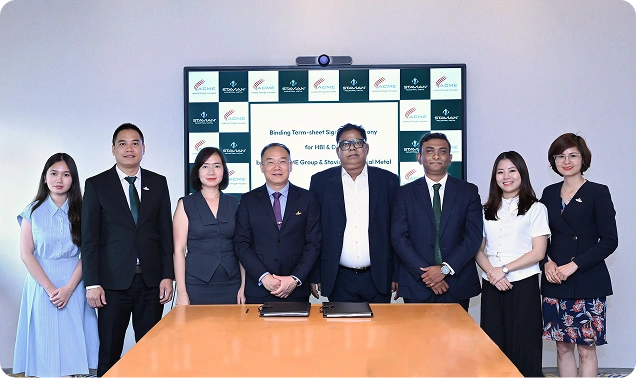
Partner: ACME
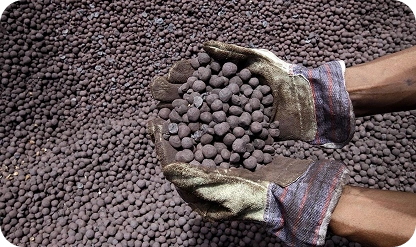
Emissions < 150kg CO2 eq/ton HBI

Partner: GreenSteelWA
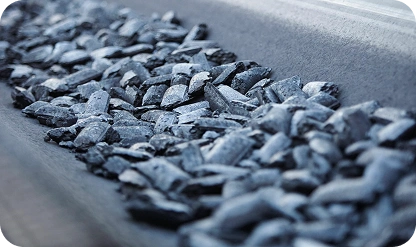
Rebar is 100% recycled from Australian domestic scrap steel, reducing emissions to near zero.

Partner: Confidential
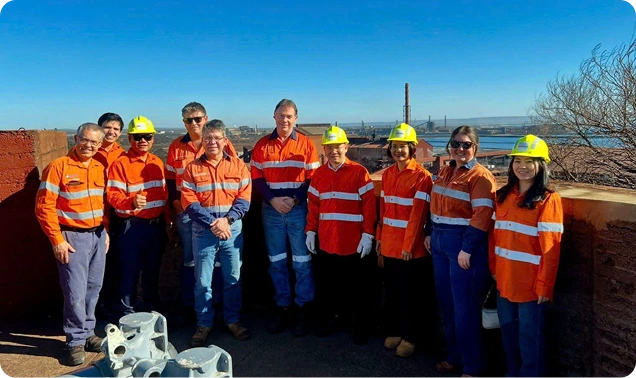
Revitalizing the factory will create jobs for local people, help the factory operate efficiently, and develop scientific and professional operational management capabilities.

Partners: International
Carbon credits are audited by reputable organizations and comply with international standards, possessing high value and delivering significant economic benefits.

Partner: Confidential
Producing green HBI and transitioning to high-quality green steel production will reduce emissions to near zero.
Contact Stavian Industrial Metal's team of experts today for advice on developing the right solution.