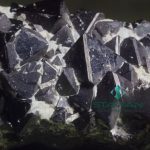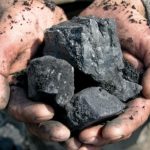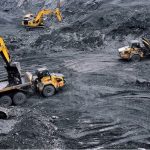
The types of iron ore found in nature are commonly classified into four main groups: Magnetite, Hematite, Limonite, and Siderite. These ores differ in their chemical formulas, iron content, color, magnetic properties, and processing characteristics. Among them, Magnetite and Hematite play particularly important roles in the iron and steel industry. Understanding the characteristics of each type helps businesses select suitable raw materials, evaluate quality, and optimize production costs.
Iron ore refers to naturally occurring rocks or mineral materials containing iron compounds from which iron can be economically extracted and recovered. The iron in these ores is typically combined with oxygen, hydroxide groups, or carbonate groups rather than occurring as pure metallic iron. After extraction, iron ore may undergo crushing, grinding, beneficiation, and agglomeration before entering metallurgical processes.
In conventional classification, the four notable groups are Magnetite, Hematite, Limonite, and Siderite. However, these do not represent every iron-bearing mineral found in nature. For example, Goethite is also an important mineral in many iron ore deposits. An essential distinction is that the theoretical Fe content of a pure mineral differs from the actual Fe content of commercial iron ore, which contains waste rock, moisture, and impurities.
To identify the different types of iron ore found in nature, their chemical formulas, theoretical iron content, and physical characteristics can be compared. The following table highlights their fundamental differences while emphasizing that the actual composition of each ore sample depends on its formation conditions and the presence of associated minerals.
| Iron Ore Type | Chemical Formula | Theoretical Fe Content | Color and Key Characteristics |
|---|---|---|---|
| Magnetite | Fe3O4 | Approximately 72.4% | Black or dark gray, strongly magnetic, easily identified using a magnet. |
| Hematite | Fe2O3 | Approximately 69.9% | Reddish-brown to metallic gray; reddish-brown streak and very weak magnetic properties. |
| Limonite | Commonly represented as Fe2O3·nH2O | Variable | Yellowish-brown to dark brown, often porous, with variable hydrated mineral composition. |
| Siderite | FeCO3 | Approximately 48.2% | Gray, pale yellow, or grayish-brown; belongs to the carbonate mineral group. |
Note: The iron content values of 72.4%, 69.9%, and 48.2% apply only to their respective minerals in pure form. Limonite is a general term for hydrated iron oxide and hydroxide materials rather than a mineral with a fixed chemical composition. Therefore, it should not be assumed that all Limonite ores contain 59.8% Fe. Even high-grade iron ore may contain significant impurities if the deposit includes substantial amounts of silica, alumina, or associated minerals.
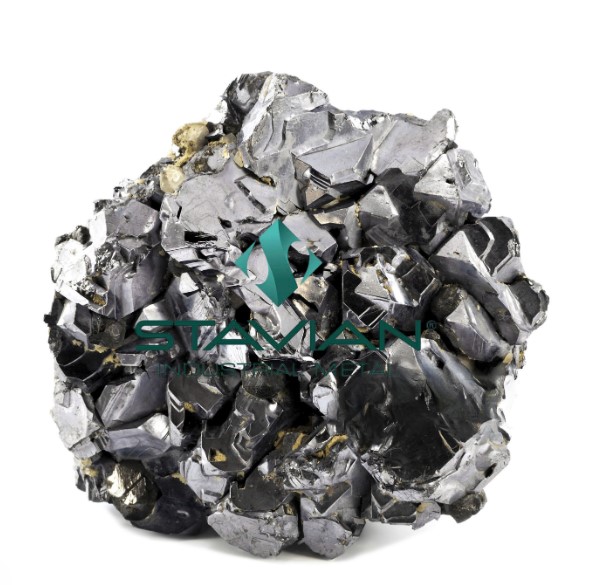
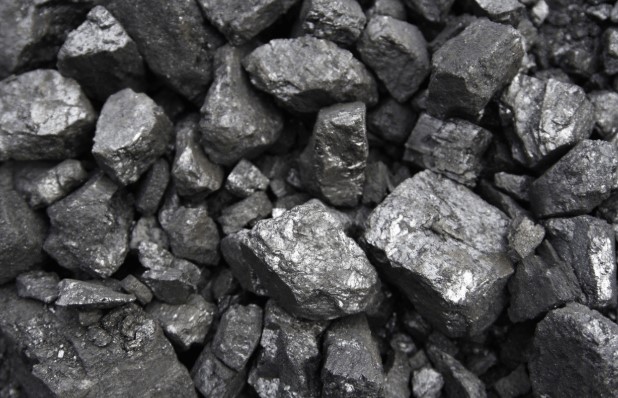
Magnetite ore is a mixed iron oxide with the chemical formula Fe3O4, containing both ferrous (Fe²⁺) and ferric (Fe³⁺) iron. In its pure form, this mineral contains approximately 72.4% Fe, the highest theoretical iron content among the four groups compared. Magnetite is typically black or dark gray with a metallic luster and a Mohs hardness of approximately 5.5–6.5. Its most distinctive characteristics are its strong attraction to magnets and the black streak it leaves on unglazed porcelain.
Thanks to its magnetic properties, Magnetite is well suited to magnetic separation, allowing iron-rich particles to be separated from many non-magnetic minerals. However, fine-grained ores still require sufficient grinding to liberate valuable minerals, meaning processing costs depend on the structure of the ore deposit. Magnetite concentrate is commonly used to produce iron ore pellets for iron and steelmaking. It also has applications in dense-medium separation and high-density concrete.
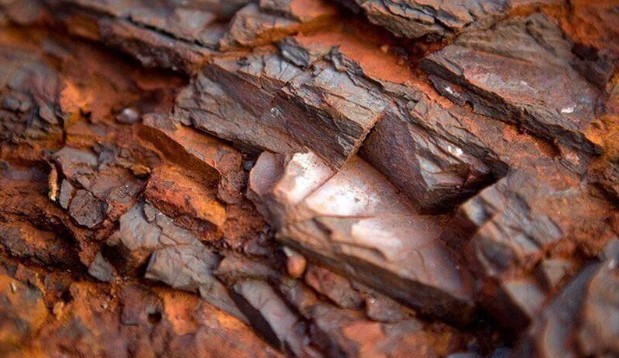
Hematite ore has the chemical formula Fe2O3, with a theoretical iron content of approximately 69.9%. This mineral commonly appears in dark red, reddish-brown, steel-gray, or metallic black forms. One reliable identifying feature is its reddish-brown streak, even when the specimen has a metallic gray surface. Under normal conditions, Hematite exhibits only weak magnetic properties and is not strongly attracted to ordinary magnets like Magnetite.
Hematite is one of the primary raw materials used in the global steel industry, particularly in major mining regions of Australia and Brazil. High-grade Hematite ore that meets impurity and particle-size requirements may require fewer beneficiation stages, while lower-grade material often needs gravity separation, flotation, or high-intensity magnetic separation. Beyond metallurgy, Hematite is also processed into red pigments used in paints, ceramics, and construction materials.
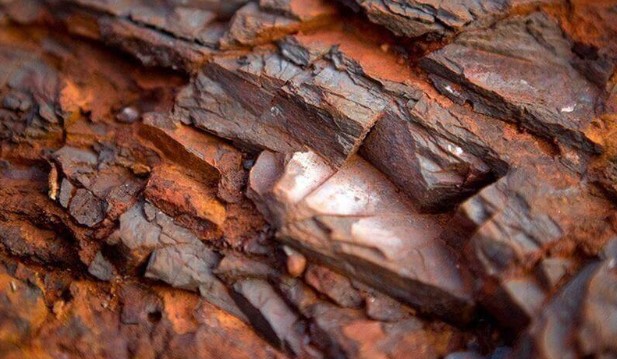
Limonite ore is a general term for materials consisting of hydrated iron oxides and hydroxides, which may contain Goethite and other associated minerals. The formula Fe2O3·nH2O is only a simplified representation and does not describe the exact composition of every sample. Limonite ranges in color from earthy yellow and yellowish-brown to reddish-brown and dark brown. Its structure is often porous or earthy due to weathering processes. Its Fe content varies depending on the mineral composition and amount of chemically bound water.
In iron and steel production, Limonite may be blended with other raw materials after its moisture content, impurities, and thermal processing characteristics have been evaluated. High levels of chemically bound water increase energy requirements during heating, while porous ore may generate fine particles under certain transportation conditions. Beyond metallurgy, iron hydroxide-rich materials are also used to produce yellow earth pigments or to supply iron components for suitable cement raw material mixtures.
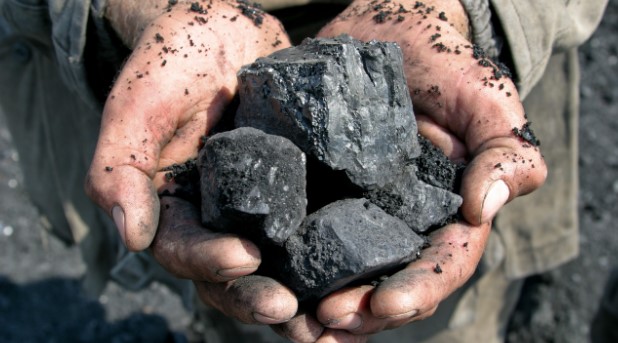
Siderite ore belongs to the carbonate mineral group, with the chemical formula FeCO3 and a theoretical iron content of approximately 48.2%. This mineral is commonly pale yellow, gray, grayish-brown, or bluish-gray, sometimes becoming darker due to weathering. Siderite may occur in sedimentary rocks and certain ore deposits associated with hydrothermal activity. Compared with Magnetite and Hematite, its lower theoretical iron content requires careful assessment of mining and processing economics.
When heated under suitable conditions, FeCO3 decomposes, releasing CO2 and forming iron oxide phases that can undergo further processing. Therefore, iron carbonate calcination should be considered when designing the processing route. Siderite should not automatically be assumed to contain low levels of sulfur or phosphorus, as these elements may be present in associated minerals. Its quality must be determined through sample analysis, beneficiation testing, and calcination trials before industrial use.
Economically valuable iron ore deposits result from the accumulation and enrichment of iron over extended periods of geological history. Iron may be transported through aqueous environments, crystallized from magma, or concentrated through weathering. The three formation mechanisms below help explain why iron ore deposits occur in different geological settings and structures.
Many major iron ore deposits worldwide are associated with Banded Iron Formations (BIFs). In ancient oceans, dissolved iron was relatively abundant under oxygen-poor conditions. As oxidation conditions changed, iron compounds could precipitate, settle on the seafloor, and gradually form iron-rich layers alternating with silica-rich layers. This process continued through multiple geological periods.
Many significant BIFs formed during the Precambrian, particularly around 2.5–1.8 billion years ago, in association with changes in Earth’s oxygen levels. Subsequent metamorphism, weathering, and enrichment processes transformed the original minerals, creating ore bodies containing Hematite or Magnetite. However, not all BIFs contain sufficient iron concentrations for economic extraction. Their commercial value must be established through resource assessments and ore-quality evaluations.
As magma cools and crystallizes, iron-bearing minerals such as Magnetite may form and accumulate in favorable locations. The mechanisms of crystallization, differentiation, and mineral accumulation depend on magma composition, temperature, oxidation conditions, and the evolution of the rock body. Consequently, even ore deposits originating from magmatic activity may differ significantly in Fe content, structure, and associated minerals.
Hydrothermal fluids can also transport iron through fractures, fault zones, or contact areas between different rock types. When temperature, pressure, or chemical composition changes, iron-bearing minerals may precipitate. Some deposits form through interactions between hydrothermal fluids and carbonate rocks, producing skarn-type iron ores. Such deposits require specific geological investigations and beneficiation testing, as a single processing technology cannot be applied indiscriminately to every ore source.
When iron-bearing rocks are exposed to rainwater, oxygen, and temperature fluctuations over long periods, many minerals undergo decomposition or chemical alteration. Some soluble components are removed, while iron oxides and hydroxides may become relatively concentrated near the surface. This process contributes to the formation of layers rich in Hematite, Goethite, and materials commonly referred to as Limonite, sometimes creating iron-rich zones known as “iron caps” or gossans.
Weathered iron ores often have heterogeneous structures, with some sections being hard and compact while others are porous, fine-grained, or contain chemically bound water. Certain near-surface deposits are suitable for open-pit mining, but not all weathered deposits are easy to extract. Overburden thickness, hydrogeological conditions, slope stability, and environmental impacts remain decisive factors. During beneficiation, particular attention should be paid to variations in moisture and Fe content across different ore layers.
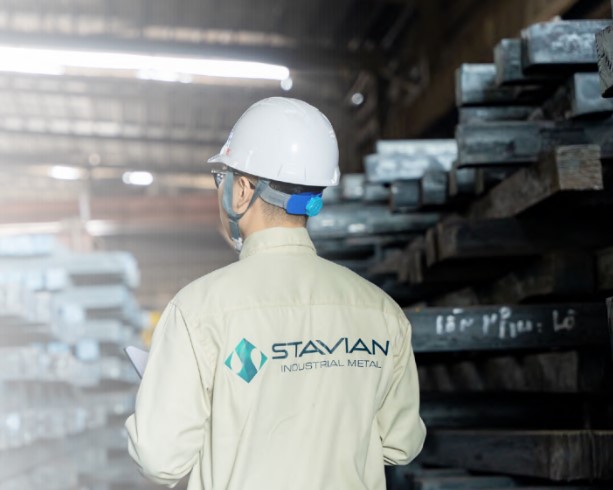
Stavian Industrial Metal operates in the trading and distribution of industrial metal materials, with a product portfolio that includes iron ore and various steel products. For manufacturing customers, working with a supplier that provides clear product information and specifications allows for more proactive raw material evaluation, purchasing planning, and delivery arrangements.
The Stavian Industrial Metal iron ore portfolio features a reference Fe content range of 60–68%, with iron ore fines measuring 0.15–6.3 mm and lump ore measuring 6.3–40 mm. Other reference specifications include SiO2 not exceeding 4.5%, Al2O3 not exceeding 2.5%, P not exceeding 0.15%, S not exceeding 0.07%, and moisture content below 4%. The applicable specifications for each transaction must be confirmed for the specific shipment.
Stavian Industrial Metal focuses on raw material supply supported by information on chemical composition and product specifications, enabling customers to compare available products with their production requirements. Its iron ore products are presented with SGS inspection and certification services, along with information on product origin. The relevant documentation should be reviewed for each actual shipment before a transaction is finalized.
To select suitable raw materials, businesses should prepare a requirements document specifying the desired Fe content, maximum allowable SiO2, Al2O3, P, and S levels, particle size, moisture content, and estimated purchase volume. They can then contact Stavian Industrial Metal through its official contact page, by phone, or by email to discuss product availability, delivery schedules, and quotation terms. Transaction prices depend on quality, quantity, market timing, and actual commercial conditions. Contact: (+84) 24 7100 1868 or info@stavianmetal.com.
The most common types of iron ore found in nature include Magnetite, Hematite, Limonite, and Siderite. Each group has distinct chemical compositions, iron contents, and physical properties that directly influence mining, beneficiation, and metallurgical processes. Magnetite and Hematite stand out for their high theoretical Fe content, but their practical efficiency also depends on impurities, particle size, and processing technologies. Businesses can contact Stavian Industrial Metal to learn more about iron ore specifications and available supply arrangements.
Address
Website: https://stavianmetal.com
Email: info@stavianmetal.com