Buying iron ore is an essential activity for businesses involved in iron and steel production, construction materials manufacturing, and heavy industry. To select a suitable raw material source, companies must consider ore quality, supply capacity, pricing, and transportation costs. Today, buyers can purchase iron ore directly from mines, through trading companies, or by importing it from overseas. Each purchasing method offers distinct advantages and comes with specific requirements.
Businesses can buy iron ore domestically or import it depending on their production requirements, consumption volumes, and logistics capabilities. Choosing the right purchasing method helps control raw material quality, manage cash flow, and minimize production disruptions.
| Purchasing Method | Suitable Buyers | Transaction Characteristics |
|---|---|---|
| Direct purchases from mines or processing facilities | Businesses with stable demand and the ability to arrange their own transportation. | Negotiate with mining or processing operators, verify legal documentation, collect samples, and arrange delivery according to contractual terms. |
| Purchases through domestic trading companies | Businesses seeking to simplify sourcing, importing, and logistics. | Purchase from distributors and negotiate quality, quantity, documentation, and delivery locations. |
| Direct iron ore imports | Metallurgical plants with substantial raw material requirements and dedicated import-export departments. | Sign international trade contracts, select FOB or CIF terms, arrange international payments, and complete import procedures. |
Buying iron ore directly from mines involves working with companies legally authorized to extract or process mineral resources. Potential sources can be found in mining regions such as Thai Nguyen, Lao Cai, and several northern mountainous provinces of Vietnam. However, not every mine with identified reserves is actively operating or selling ore commercially.
The main advantage of this purchasing method is that businesses can inspect the raw material source, collect samples for testing, and negotiate supply volumes directly. However, buyers generally need to take greater responsibility for verifying documentation, arranging transportation, and controlling delivery quantities. Before signing a contract, it is essential to verify the validity of the mining license, the permitted mining scope, and the supplier’s legal right to sell the materials.
For manufacturing plants located near mining areas, direct purchasing can help reduce certain intermediary costs. Nevertheless, the actual economic benefits should be evaluated based on the delivered cost at the plant rather than solely on the ex-mine price.
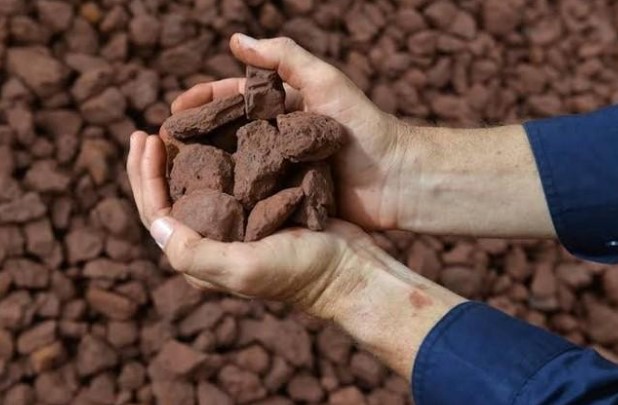
For businesses without a dedicated mineral procurement department, selecting a reliable iron ore supplier is a practical solution. Trading companies can arrange sourcing, coordinate imports, manage storage, and organize transportation under agreed conditions. This allows customers to reduce the administrative burden of dealing with multiple suppliers simultaneously.
Another advantage is the flexibility to negotiate delivery and payment arrangements that align with production schedules. Businesses may request deliveries in multiple batches, establish safety stock levels, or sign periodic supply contracts. However, these arrangements should be explicitly confirmed in quotations and contracts rather than assuming that every distributor can accommodate them.
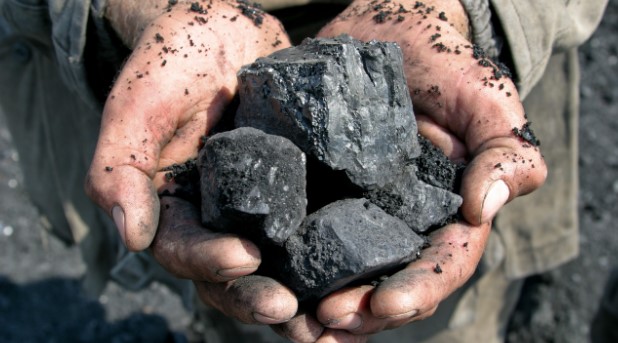
Importing iron ore is suitable for businesses requiring large volumes, specific technical specifications, or greater supply diversification. Major iron ore exporting markets include Australia, Brazil, and South Africa. However, selecting an import source involves more than choosing a country of origin. Ore quality, transportation capabilities, and commercial terms must also be considered.
In international transactions, two commonly used trade terms are FOB and CIF:

When searching for iron ore suppliers, businesses should prioritize organizations with established operations in metal trading, mineral extraction, or metallurgical raw material processing. The following companies are worth considering when researching potential sources of supply. Commercial availability, current inventory, and cooperation terms should be confirmed directly before placing an order.
Stavian Industrial Metal, officially Stavian Industrial Metal Joint Stock Company, was established on June 18, 2021, and is part of the Stavian Group ecosystem. The company operates in the industrial metal materials trading sector, offering product categories including steel, aluminum, copper, and zinc. Among its offerings, iron ore is included in its portfolio of raw materials for the steel industry.
Stavian Industrial Metal benefits from its network of offices and warehouses in Hanoi, Hai Phong, and Ho Chi Minh City, combined with Stavian Group’s international partner network. The company develops domestic business solutions and international trading solutions, supporting customers throughout raw material sourcing, delivery, and payment processes.
The iron ore product portfolio includes the following technical specifications:
| Parameter | Reference Specification |
|---|---|
| Fe Content | 60.0–68.0% |
| Iron Ore Fines | 0.15–6.3 mm |
| Lump Iron Ore | 6.3–40.0 mm |
| SiO₂ | ≤ 4.5% |
| Al₂O₃ | ≤ 2.5% |
| Phosphorus (P) | ≤ 0.15% |
| Sulfur (S) | ≤ 0.07% |
| Moisture Content | < 4.0% |
Note: These specifications are provided in the product portfolio and do not represent laboratory analysis results for every shipment. Customers should confirm specifications, origin, inspection certificates, and supply availability at the time of purchase.
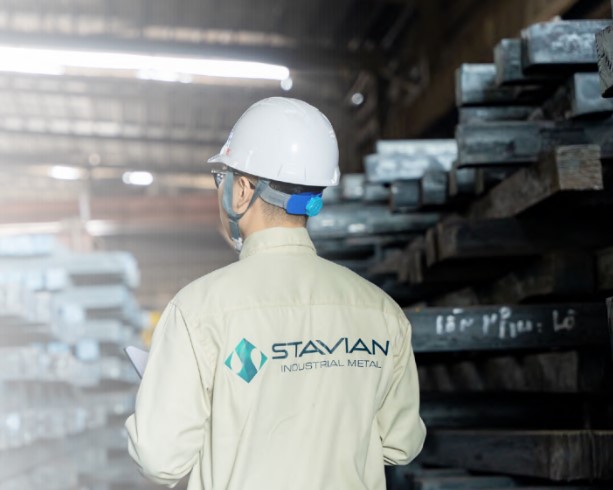
Viet Phat (VPG) operates in mineral trading, import-export activities, and freight transportation. The company expanded from domestic transportation into mineral processing and raw material trading, including iron ore and coke. Its business activities are closely associated with the raw material requirements of domestic metallurgical plants.
Viet Phat has previously participated in supplying raw materials to steel manufacturers such as Hoa Phat and Thai Nguyen Iron and Steel. It is a potential supplier to consider for businesses exploring large-volume ore procurement or purchasing arrangements combined with transportation services.
TISCO is a metallurgical enterprise with an integrated value chain extending from raw material extraction to iron and steel production. Its mining activities are associated with mining areas such as Trai Cau and Tien Bo in Thai Nguyen Province. These locations have played a role in supplying raw materials for the company’s iron and steel manufacturing operations.
Ore sources from mining operations may include minerals such as limonite and magnetite. Actual Fe content depends on the characteristics of the deposit, beneficiation processes, and individual ore batches. Businesses seeking to purchase these materials should request specific technical specifications rather than evaluating quality solely based on the mine’s name.
VIMICO, officially TKV Minerals Corporation – Joint Stock Company, operates in mineral extraction, mineral processing, and metal production. Its product portfolio includes iron ore and iron ore concentrates, alongside various other metal products. The company is a potential contact for businesses interested in domestic mineral raw material sources.
During procurement, buyers should distinguish between run-of-mine ore and iron ore concentrates that have undergone beneficiation to increase Fe content. These materials may differ in particle size, moisture content, application methods, and commercial value.
Minerals No. 3 Joint Stock Company – VIMICO is an enterprise within the TKV Minerals Corporation system. Its business activities include iron ore mining and the wholesale trading of metals and metal ores. The company is a potential mining industry contact for businesses researching raw material sources in northern Vietnam.
Unlike general trading companies, working with a mining enterprise may give customers more direct access to information about raw material characteristics and ore beneficiation processes. However, commercial availability still depends on production plans, volumes allocated for external sales, and applicable legal conditions.
In industrial raw material procurement, the purchase price represents only part of the total cost. Iron ore quality, the legality of the source, inspection results, and transportation arrangements all directly affect transaction efficiency. Businesses should manage these factors carefully, from the initial quotation request through final acceptance.
Total iron content, commonly expressed as TFe or Fe, is one of the most important indicators used to assess the commercial value of iron ore. High-Fe ore is often preferred in metallurgical production, but its actual performance also depends on mineral composition, reducibility, and the technological characteristics of the processing facility.
In addition to Fe content, businesses should examine the following parameters:
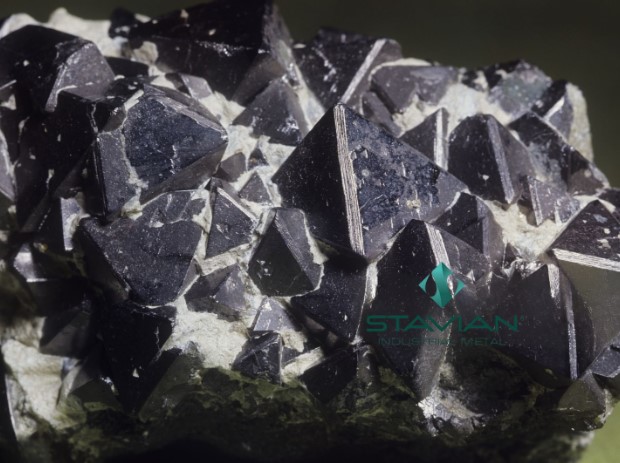
A common risk when buying iron ore in bulk is that initial sample analysis results may not accurately represent the quality of the entire shipment. Iron ore can vary in particle size, chemical composition, and moisture content. Therefore, proper representative sampling is essential for reliable quality assessment.
Businesses may agree to use independent inspection services from organizations such as SGS, Intertek, or Vinacontrol. The scope of inspection should be clearly defined, including sampling, sample sealing, chemical composition analysis, moisture determination, weight verification, and delivery supervision.
Contracts should specify sampling locations, applicable standards, procedures for resolving differences in analytical results, and the method for determining final inspection results. For contracts involving multiple shipments, it is important to clarify whether inspections will be conducted for each shipment or for combined batches. These provisions help both parties minimize disputes during payment and settlement.
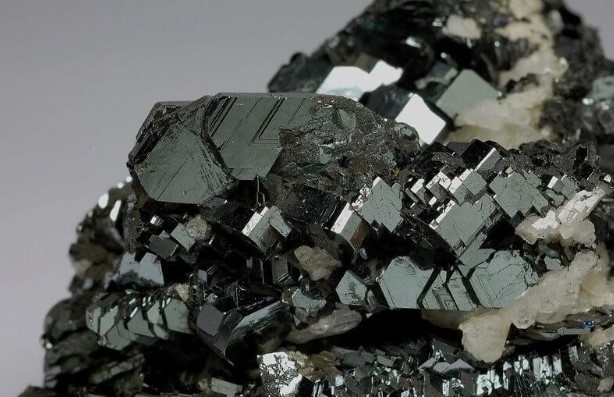
Iron ore origin is a critical consideration in mineral trading activities. Before signing a contract, buyers should determine whether the seller has the legal right to trade and transfer ownership of the shipment. For domestically mined ore, appropriate documentation must establish that the materials originate from lawful mining or processing operations.
Depending on the transaction and supply chain, the required documentation may include:
Buyers should not assume that a company registered to trade minerals automatically has legal documentation for every shipment. Supporting documents should be reviewed individually for each specific source of supply.
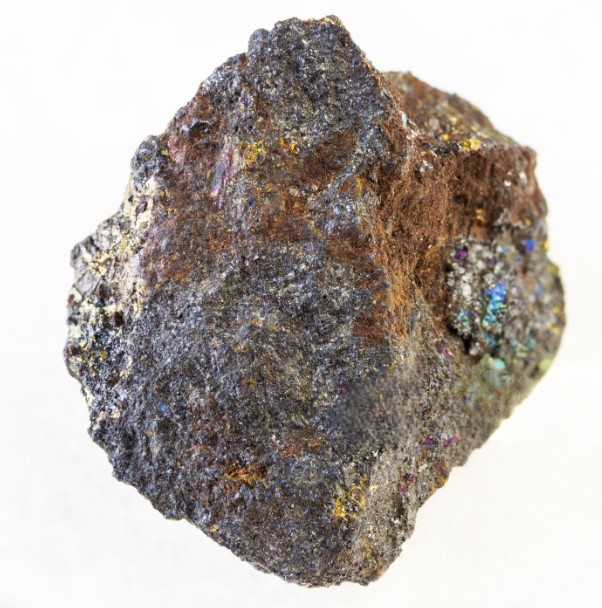
Iron ore is a high-volume bulk commodity, meaning iron ore transportation costs can significantly affect the total purchase price. A low quotation at the mine does not necessarily provide a cost advantage if transportation involves long distances, multiple handling stages, or additional storage expenses.
Businesses should develop logistics plans based on the locations of warehouses, factories, seaports, and available transportation infrastructure. Options may include road, rail, inland waterway, or maritime transportation. Each method has different requirements regarding shipment volumes, transit times, and loading and unloading costs.
It is particularly important to agree on the method used to determine delivered quantities, the weighing location that will serve as the basis for settlement, and responsibility for material losses or moisture-related changes. A fixed loss allowance should not be applied indiscriminately to every contract. All tolerances must be mutually agreed upon based on the characteristics of the commodity and the transportation method.

For businesses seeking raw materials for industrial production, Stavian Industrial Metal provides channels for submitting inquiries and receiving advice on suitable supply options. Customers can begin by reviewing the technical specifications of its iron ore products, then contact the sales team to discuss purchasing volumes and delivery schedules.
The purchasing process can be organized into the following steps:
The specific purchasing process is agreed upon for each transaction. Businesses with recurring requirements may also discuss long-term contracts, phased delivery schedules, or suitable financing and logistics solutions.
In the industrial metal raw materials market, businesses need a partner that offers not only a suitable product portfolio but also support in organizing commercial transactions. Stavian Industrial Metal develops its trading operations through a domestic distribution network, international partnerships, and integrated business solutions.
Key advantages that customers can explore when working with Stavian Industrial Metal include:
In particular, businesses that regularly buy iron ore in large quantities can discuss their raw material consumption plans to develop suitable supply arrangements. This enables procurement departments to manage inventory, production schedules, and cash flow more proactively.
Customers can learn more about the advantages of Stavian Industrial Metal before submitting a business inquiry.
Successfully buying iron ore requires businesses to select the right purchasing method, evaluate supplier capabilities, and control product quality from the outset. Beyond Fe content, important factors include impurities, legal origin, inspection results, and logistics costs. With its industrial raw material portfolio and domestic and international trading solutions, Stavian Industrial Metal is ready to receive inquiries and advise businesses on suitable iron ore supply arrangements.
Address
Website: https://stavianmetal.com
Email: info@stavianmetal.com