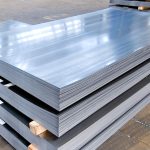
Steel plate is a widely used metal material in construction, mechanical fabrication, shipbuilding, and industrial manufacturing. Featuring a flat structure and available in various thicknesses, dimensions, and steel grades, steel plates meet diverse fabrication and load-bearing requirements. However, selecting the right material requires businesses to understand the characteristics, technical standards, specifications, and applications of each type. Stavian Industrial Metal provides a detailed overview of these essential aspects to support informed material selection.
Steel plate (also referred to as steel sheet, depending on thickness and product classification) is a flat steel product manufactured with specified thickness, width, and length. It is typically produced through hot rolling or cold rolling processes and subsequently cut into sheets or plates according to standard dimensions or specific fabrication requirements.
Steel plates are manufactured from various materials, including carbon steel, low-alloy steel, alloy steel, and stainless steel. Their chemical composition, rolling methods, and post-rolling treatments directly influence their mechanical properties, surface quality, and range of applications.
In industrial applications, steel plates are used to manufacture connection plates, built-up beams, load-bearing structures, equipment housings, storage tanks, industrial flooring, and various mechanical components. Depending on design requirements, businesses may select conventional steel plates or specialized materials with higher requirements for strength, impact toughness, weldability, and corrosion resistance.
Standard steel plates are manufactured and controlled according to specific technical requirements concerning chemical composition, mechanical properties, dimensions, tolerances, and testing methods. In practice, steel plates are commonly rectangular or square, although they can also be cut into other shapes based on engineering drawings.
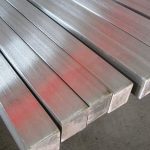
Unlike steel bars or structural steel sections, steel plates feature relatively large, flat surfaces that facilitate fabrication processes such as laser cutting, plasma cutting, oxy-fuel cutting, drilling, press braking, bending, rolling, and welding. These characteristics make steel plates versatile materials for structural fabrication and equipment manufacturing.
Several essential factors should be considered when selecting steel plates:

The manufacturing process for industrial steel plates generally begins with flat steel slabs. These slabs are heated to an appropriate temperature and passed through rolling mills to reduce their thickness and form flat steel products. Depending on the production line and final product requirements, steel may be manufactured as plates or coils before being cut to the required dimensions.
For cold-rolled products, the starting material is typically hot-rolled steel that has undergone surface treatment. The material is further processed through thickness-reduction rolling at lower temperatures, followed by treatments such as annealing, skin-pass rolling, oiling, or sheet cutting to achieve the required mechanical properties and surface quality.
Common stages in the steel plate manufacturing and finishing process include:
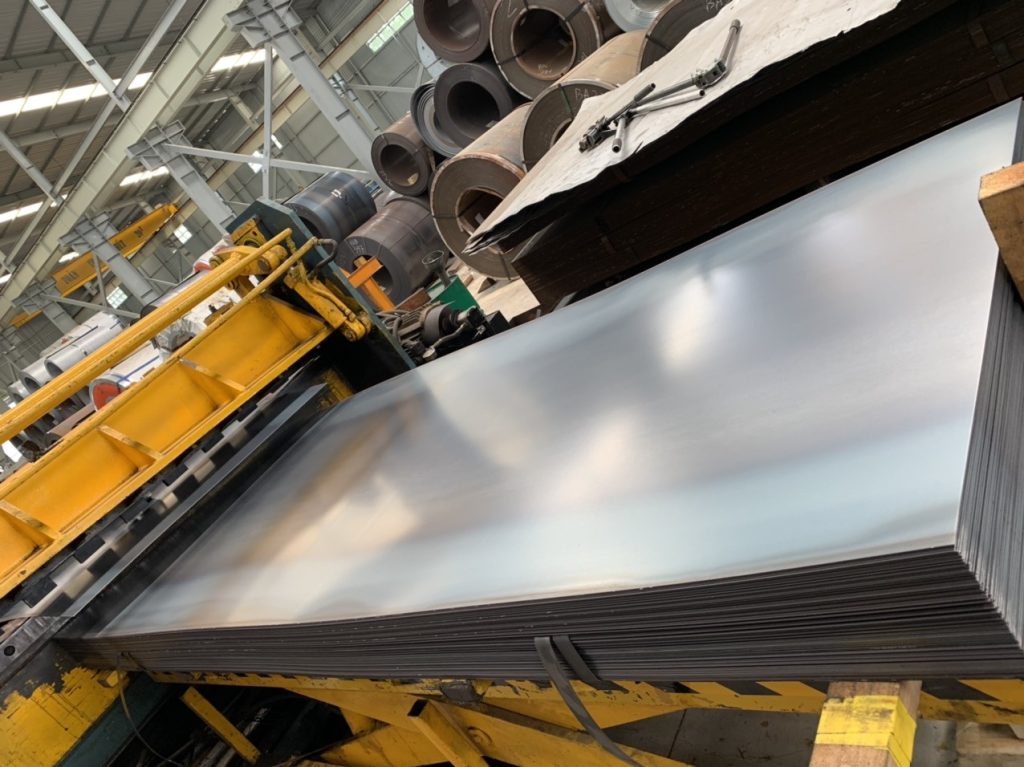
Types of steel plates can be classified according to manufacturing methods, material composition, surface characteristics, or intended applications. Classification by rolling method is particularly common because the production process significantly affects surface quality, dimensional tolerances, and fabrication performance.
The two widely used categories are hot rolled steel plates and cold rolled steel sheets. Other available products include galvanized steel sheets, checkered steel plates, alloy steel plates, wear-resistant steel plates, and shipbuilding steel plates. Each product serves different technical requirements, making it important to select materials based on operating conditions rather than thickness or price alone.
Hot rolled steel plates are manufactured through a rolling process performed at elevated temperatures, generally above the recrystallization temperature of steel. After heating, steel slabs pass through rolling mills to reduce their thickness and form products with the required dimensions.
Hot rolled steel plates typically have dark gray or bluish-black surfaces, sometimes covered with an oxide layer formed during rolling. Compared with cold rolled steel, these products generally have wider dimensional tolerances and a less refined surface finish. However, they are available in a broad range of thicknesses, making them suitable for numerous structural and industrial fabrication applications.
Key characteristics and applications:
For projects that do not require a highly refined surface finish, hot rolled steel plates are often a practical choice in terms of fabrication performance and material costs.

Cold rolled steel sheets are manufactured from previously processed hot-rolled steel, which undergoes additional thickness-reduction rolling at or near room temperature. This process enables tighter control over thickness, flatness, and surface quality.
Cold rolled steel generally features a relatively smooth and uniform surface, making it suitable for fabrication processes requiring high dimensional accuracy. After rolling, the material may undergo annealing to restore ductility and improve stamping and forming performance. Therefore, not all cold rolled products should be assumed to have identical hardness or formability.
Common applications of cold rolled steel sheets include:
Due to more demanding manufacturing and finishing requirements, cold rolled steel generally involves higher processing costs than hot rolled steel of a comparable material category. Selection should therefore be based on actual requirements for tolerances, appearance, and mechanical properties.
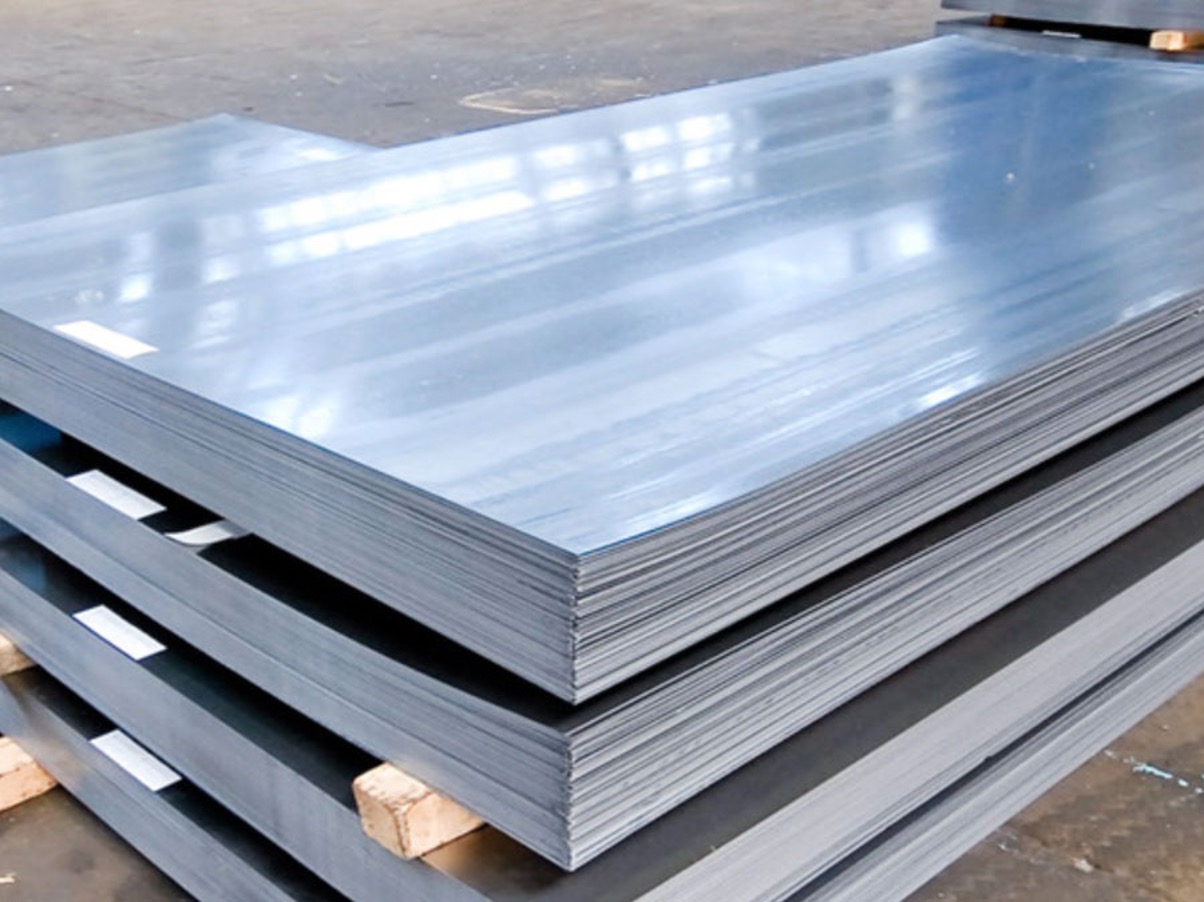
In addition to rolling methods, steel plates can be classified according to their protective coatings, surface patterns, or specialized mechanical requirements. These products are designed to address operating conditions where conventional carbon steel may not fully meet performance expectations.
Several notable steel plate categories include:
For coated steel products, corrosion resistance depends on the coating type, coating weight, operating environment, and maintenance practices. A protective coating does not automatically guarantee resistance to every chemical environment or highly corrosive condition.
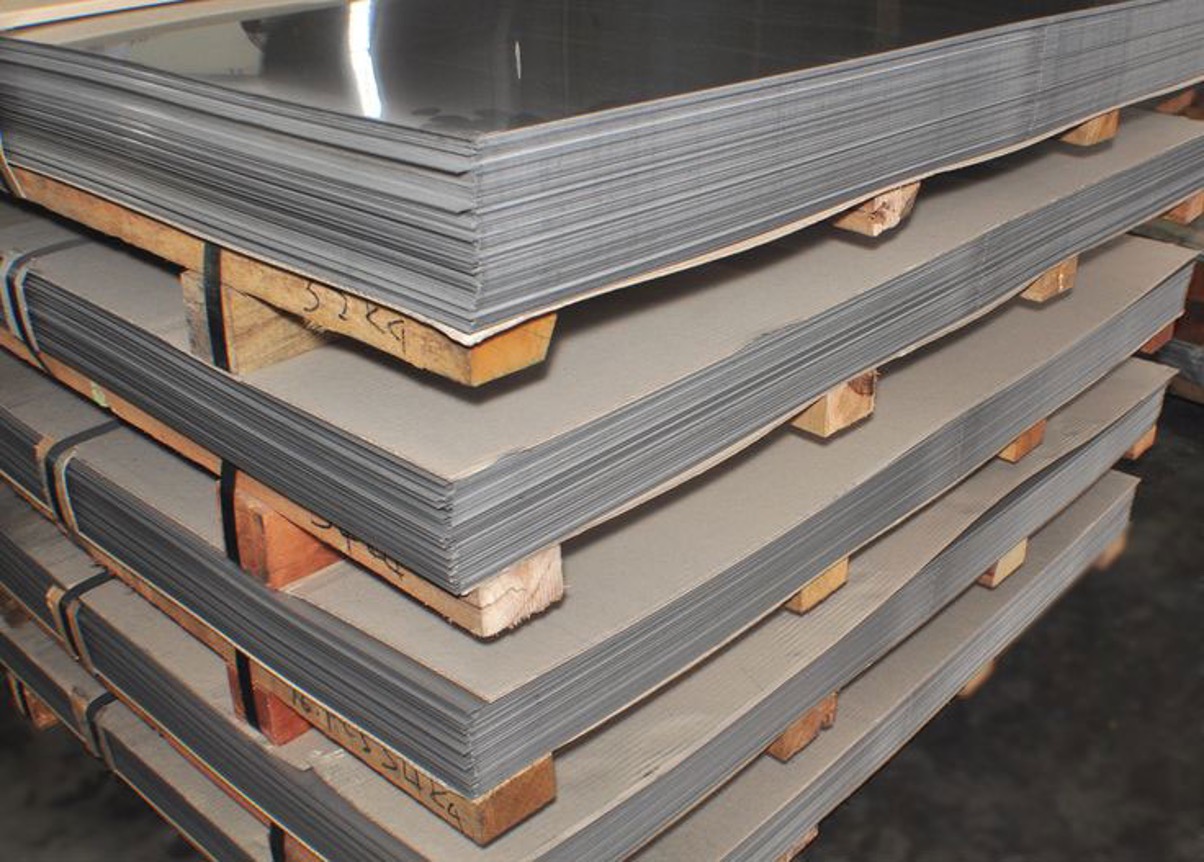
Steel plate standards establish the technical requirements that materials must satisfy before being used in construction projects or manufacturing processes. These requirements commonly cover chemical composition, yield strength, tensile strength, elongation, dimensions, tolerances, and inspection methods.
Steel plates are manufactured according to various international standard systems, including ASTM standards from the United States, JIS standards from Japan, EN standards from Europe, and GB/T standards from China. Some projects also apply Vietnamese national standards or specialized industry specifications. The selection of standards must align with project design, operating conditions, and specific inspection and acceptance requirements.
Each standard system defines specific material categories and conditions of application. Businesses therefore need to distinguish between manufacturing standards and steel grades. For example, ASTM A36/A36M is a specification for structural carbon steel, whereas SS400 is a steel grade covered by JIS G3101.
| Standard | Typical Steel Grades | Characteristics and Applications |
|---|---|---|
| ASTM A36/A36M | A36 | Structural carbon steel used in suitable construction and mechanical engineering applications. |
| ASTM A572/A572M | A572 Grade 50 and other grades | High-strength low-alloy structural steel used in structures requiring corresponding load-bearing performance. |
| ASTM A516/A516M | A516 Grade 60, Grade 70 | Carbon steel plates intended for pressure vessels operating under specified temperature conditions. |
| JIS G3101 | SS400 | General structural steel commonly used in construction and mechanical engineering. |
| JIS G3106 | SM490 and related grades | Rolled structural steel intended for welded structures. |
| EN 10025 | S235, S275, S355 | A series of standards covering hot rolled structural steel products, with specific requirements defined in the relevant parts. |
| GB/T 700 | Q235 | Structural carbon steel used in various industrial applications. |
The chemical composition of steel plates varies depending on the steel grade and manufacturing standard. For carbon steel and low-alloy steel, iron is the primary constituent, combined with carbon, manganese, silicon, and several other elements.
The functions of common chemical elements include:
There is no single chemical composition range applicable to all steel plates. Even within the same standard, the permissible limits of certain elements may vary depending on product thickness or form. Therefore, when verifying incoming materials, businesses should compare the chemical analysis provided in the mill test certificate with the agreed technical specifications.
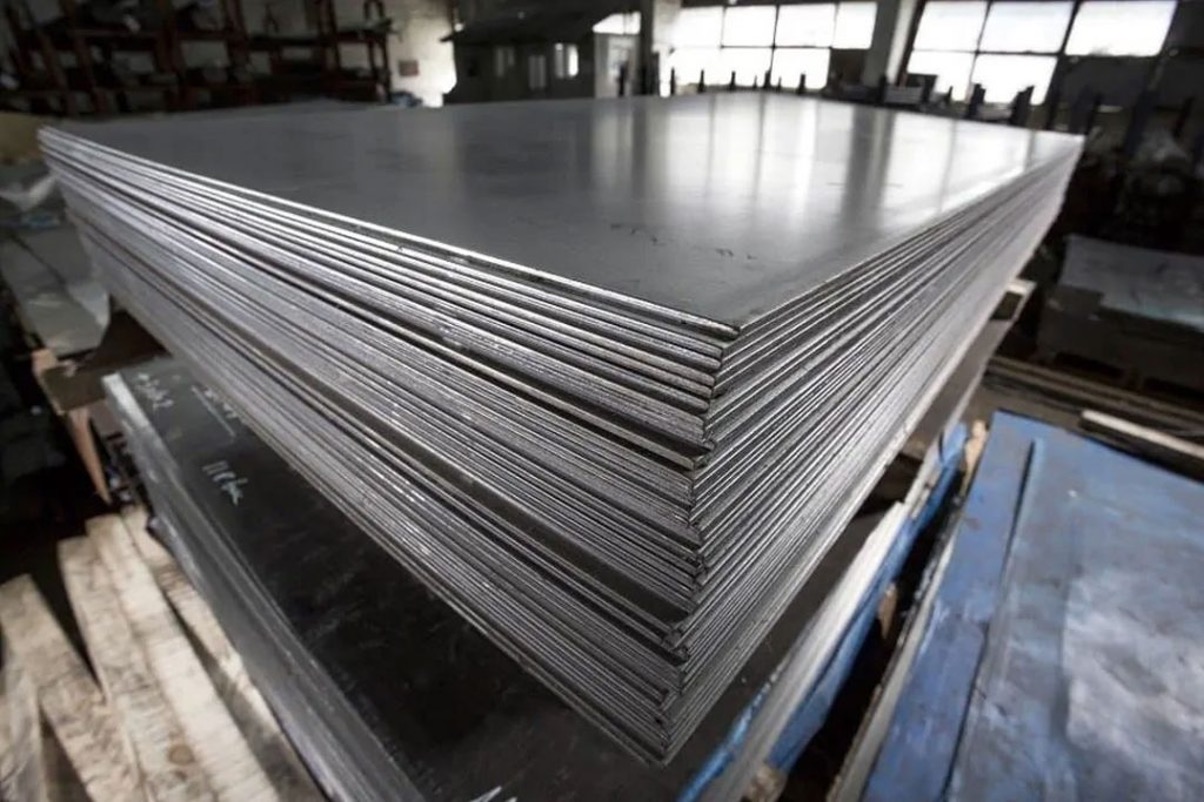
The mechanical properties of steel plates reflect their ability to withstand loads and meet fabrication requirements. These properties are particularly important for structural steel, machinery manufacturing steel, and materials used in technically demanding environments.
Commonly evaluated properties include:
Hardness should be distinguished from impact toughness and wear resistance. A material with high hardness does not necessarily provide excellent impact toughness or suitable wear resistance under every operating condition. Each property must be evaluated separately according to its intended application.

Steel plates are available in a wide range of dimensions. Common sizes include 1,250 × 2,500 mm, 1,500 × 3,000 mm, 1,500 × 6,000 mm, and 2,000 × 6,000 mm. However, the availability of specific dimensions depends on the product category, manufacturer, and order requirements.
Steel plate thickness is determined by engineering requirements and the characteristics of each material category. Thin steel sheets are commonly used in stamping, equipment manufacturing, and components requiring specific surface characteristics. Meanwhile, thicker steel plates are generally used for load-bearing structures, machinery manufacturing, industrial flooring, and heavy-duty equipment.
Within the hot rolled steel product portfolio of Stavian Industrial Metal, steel plates are available in a stated thickness range of 3 mm to 40 mm, with custom cutting options. For cold rolled steel, the product portfolio includes materials with thicknesses ranging from 0.2 mm to 6 mm, supplied in coil, sheet, or strip form depending on specifications.
When selecting steel plate dimensions, businesses should consider:
In mass production, selecting dimensions that match the cutting layout can help businesses reduce scrap and improve material utilization. For large components, transportation, storage, and lifting equipment arrangements must also be taken into account.
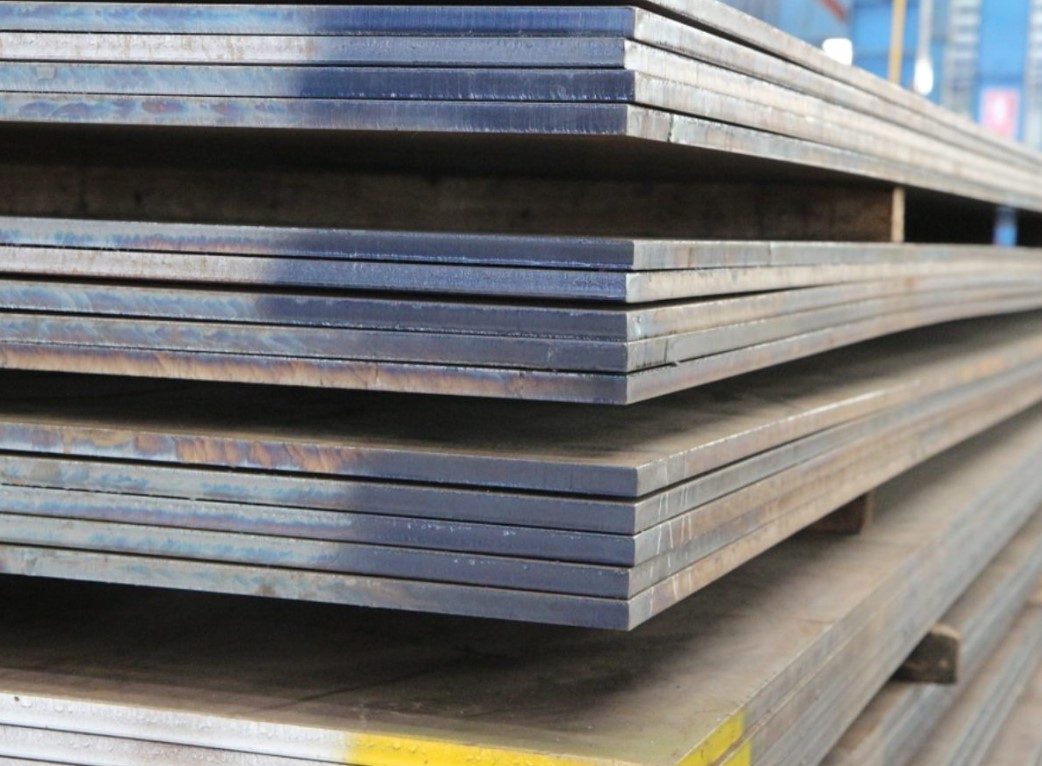
Steel plate weight can be calculated based on material volume and density. For conventional carbon steel, a density of approximately 7,850 kg/m³ is commonly used for preliminary calculations.
The following table presents the theoretical weights of several common steel plate sizes. These values are calculated using an assumed material density of 7,850 kg/m³ and nominal dimensions.
| Thickness (mm) | Width × Length (mm) | Area (m²) | Theoretical Weight (kg/plate) |
|---|---|---|---|
| 3 | 1500 × 6000 | 9 | 211.95 |
| 4 | 1500 × 6000 | 9 | 282.60 |
| 5 | 1500 × 6000 | 9 | 353.25 |
| 6 | 1500 × 6000 | 9 | 423.90 |
| 8 | 1500 × 6000 | 9 | 565.20 |
| 10 | 1500 × 6000 | 9 | 706.50 |
| 12 | 1500 × 6000 | 9 | 847.80 |
| 16 | 1500 × 6000 | 9 | 1,130.40 |
| 20 | 1500 × 6000 | 9 | 1,413.00 |
| 20 | 2000 × 6000 | 12 | 1,884.00 |
| 25 | 2000 × 6000 | 12 | 2,355.00 |
| 30 | 2000 × 6000 | 12 | 2,826.00 |
| 40 | 2000 × 6000 | 12 | 3,768.00 |
This table provides theoretical calculations rather than actual measured weights for individual shipments. Delivered weights may vary due to dimensional tolerances, material characteristics, and manufacturing conditions.
To quickly calculate steel plate weight for cost estimation or transportation planning, a formula based on thickness, width, and length can be applied. For conventional carbon steel, when thickness is measured in millimeters and the other dimensions in meters, the formula is:
Theoretical Weight (kg) = Thickness (mm) × Width (m) × Length (m) × 7.85
Steel plate applications cover a broad range of industries, from residential construction and industrial structures to shipbuilding, machinery manufacturing, transportation equipment, and energy facilities. The availability of various steel grades, thicknesses, and fabrication options enables these materials to meet diverse operating requirements.
However, not every type of steel plate is suitable for all industries. Specific applications may require different standards for load-bearing capacity, weldability, impact toughness, corrosion resistance, or surface quality. Selecting the appropriate material during the design stage helps reduce technical risks and optimize manufacturing costs.
In construction, structural steel plates are widely used to manufacture connection components and load-bearing elements. Their suitability for cutting, drilling, welding, and shaping according to engineering drawings allows them to be combined with structural steel sections to form various structural configurations.
Common applications include:
For load-bearing structures, steel plate thickness should not be determined solely through experience. Engineers must calculate loads, evaluate structural stability, and specify suitable steel grades according to applicable design standards. This is especially important for projects involving heavy loads, complex welded structures, or stringent safety requirements.
The mechanical engineering industry uses industrial steel plates to manufacture machine frames, equipment bases, machine housings, flanges, welded components, and structural parts. Depending on operating conditions, manufacturers may select hot rolled steel, cold rolled steel, or alloy steel with appropriate mechanical properties.
In automotive and transportation equipment manufacturing, steel plates and sheets are used for various components, including body panels, subframes, brackets, partitions, and other parts designed for flat steel products. Components requiring deep drawing and high dimensional accuracy generally need materials with carefully controlled formability and surface quality.
Important considerations in mechanical fabrication include:
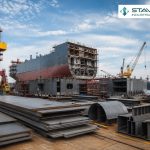
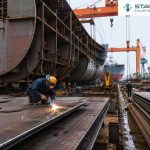
Shipbuilding steel plates are specialized materials used in the construction of ship hulls, decks, bottom structures, bulkheads, and numerous load-bearing components in the maritime industry.
Unlike conventional structural steel, steel plates used in shipbuilding must satisfy technical requirements corresponding to their installation locations and operating conditions. Important factors include strength, impact toughness, weldability, performance under dynamic loading, and certification documentation issued by relevant classification societies.
Common shipbuilding steel grades include:
In marine environments, corrosion resistance depends not only on the steel grade but also on protective coatings, corrosion protection methods, and maintenance procedures. Material selection must comply with project design documentation and the relevant classification society rules.
In the oil, gas, and energy industries, steel plates are used to manufacture structural components, storage tanks, equipment housings, and supporting components according to design requirements. For pressure-containing equipment, material selection must comply with specialized standards, and conventional structural steel cannot be substituted without proper technical evaluation.
In industrial manufacturing plants, steel plates are also used to manufacture worktables, support frames, machine enclosures, storage hoppers, chutes, and equipment protection systems. Components regularly exposed to abrasive materials may require specialized wear-resistant steel to meet operating requirements.
Other applications include:
For environments involving high humidity, unusual temperatures, or chemical exposure, businesses must further evaluate corrosion resistance and operating conditions before determining the appropriate steel grade, thickness, and surface protection method.
Stavian Industrial Metal operates in the industrial metal distribution sector, supplying various steel products for construction, mechanical fabrication, industrial manufacturing, and infrastructure projects.
Stavian Industrial Metal’s steel product portfolio includes hot rolled steel, cold rolled steel, coated steel, project steel, and shipbuilding steel, alongside raw materials such as steel billets and iron ore. Within this portfolio, steel plates are suitable for a wide range of structural fabrication, equipment manufacturing, and industrial production requirements.
Within its hot rolled steel product portfolio, Stavian Industrial Metal supplies coils and plates in various commonly used steel grades. Steel plates are offered in a stated thickness range of 3 mm to 40 mm, with custom cutting options available.
Steel grades in the portfolio include SS400, Q235B, Q345B, Q355B, A36, A572, and other grades depending on product type. These materials serve applications such as structural fabrication, connection plate manufacturing, machinery production, and industrial manufacturing.
In addition, Stavian Industrial Metal’s project steel portfolio includes structural steel plates, such as as-rolled plates and cut plates, in grades including SS400, Q235, Q345, Q355, A36, and A572.
These steel products are intended for projects and applications such as:
For each order, product specifications and applicable standards must be confirmed according to the project’s technical requirements.
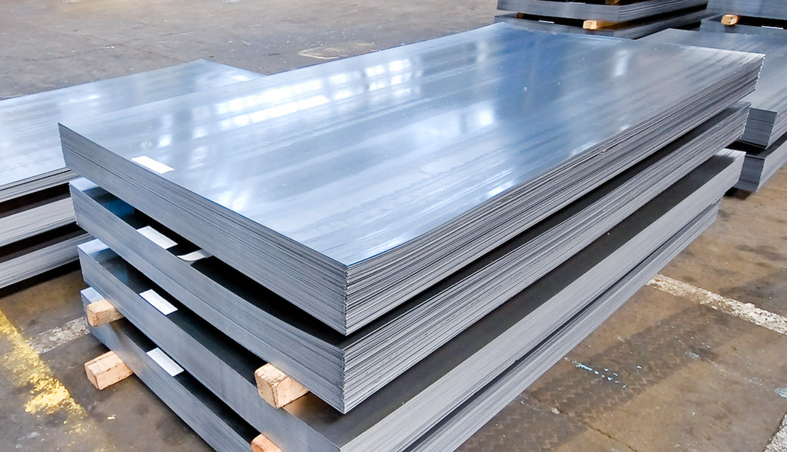
Cold rolled steel includes products supplied in coil, sheet, or strip form, with a stated thickness range of 0.2 mm to 6 mm. This material category is suitable for manufacturing processes requiring dimensional accuracy, consistent surface quality, and reliable formability.
For coated steel, the product portfolio includes galvanized steel (GI), aluminum-zinc alloy-coated steel (GL), and pre-painted steel (PPGI/PPGL). These products are supplied in coils, slit coils, or sheets for various construction and industrial applications.
For the maritime industry, Stavian Industrial Metal supplies shipbuilding steel, including steel plates and other material categories used in ship structure fabrication. Products in this category must meet technical requirements and classification standards corresponding to their intended applications.
With its diverse product portfolio, Stavian Industrial Metal can address various material requirements across construction, fabrication, and industrial manufacturing operations. Identifying the appropriate product type, standard, and specifications remains essential to ensuring that materials meet the technical demands of each project.
Steel plate is an essential material in construction, mechanical engineering, shipbuilding, and numerous industrial manufacturing sectors. Selecting the appropriate product requires businesses to consider rolling methods, steel grades, standards, chemical composition, mechanical properties, dimensions, and operating conditions. With a comprehensive portfolio covering hot rolled steel, cold rolled steel, project steel, and shipbuilding steel, Stavian Industrial Metal provides a variety of material options suitable for different technical requirements and industrial project scales.
Address
Website: https://stavianmetal.com
Email: info@stavianmetal.com