Dear customers, please note that Stavian Industrial Metal only offers discounts on large-volume orders: steel orders of 200 metric tons or more, aluminum orders of 100 metric tons or more, and copper and zinc orders of 50 metric tons or more.
The shipbuilding steel plate price list shows reference prices ranging from VND 14,200 to VND 17,500/kg for certain material categories used in the shipbuilding industry. Actual unit prices depend on steel grades, thickness, dimensions, country of origin, and classification society certificates. Stavian Industrial Metal provides pricing information by steel category, methods for calculating costs per plate, and important considerations to help businesses select suitable materials.
Note: The following price list is for reference purposes only. Please contact Stavian Industrial Metal directly for a specific and detailed quotation.
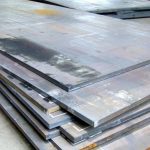
Shipbuilding steel plates are used in the manufacture of ship hulls, decks, bottoms, bulkheads, and load-bearing structures of marine vessels. Material prices are calculated per kilogram, metric ton, or full-size plate. For industrial orders, businesses should determine both technical requirements and delivery conditions to accurately estimate procurement costs.
Steel grades used in the shipbuilding industry are generally classified into conventional structural steel, normal-strength shipbuilding steel, and high-strength shipbuilding steel. Each category has specific requirements for yield strength, impact toughness, fabrication properties, and quality certification. These factors contribute to price differences between products.
| Steel Grade | Key Characteristics and Applications | Reference Unit Price (VND/kg) |
|---|---|---|
| SS400 / ASTM A36 | Conventional structural steel used for auxiliary applications where permitted by the design specifications. | 14,200 – 17,500 |
| Grade A | Normal-strength shipbuilding steel with a typical minimum yield strength of 235 MPa, used for ship hulls, decks, and bulkheads in accordance with design requirements. | 14,200 – 14,800 |
| ASTM A572 | High-strength low-alloy steel used for load-bearing structures according to the steel grade and design requirements. | 14,800 |
| Q345 / Q355 | High-strength structural steel used for load-bearing applications in accordance with applicable technical standards. | 15,000 – 15,100 |
| AH32 | High-strength shipbuilding steel with a typical minimum yield strength of 315 MPa. | 14,500 – 15,100 |
| DH32 / EH32 | Grade 32 shipbuilding steel with impact testing requirements at lower temperatures than AH32. | Contact us for a quotation based on specifications |
| AH36 | High-strength shipbuilding steel with a typical minimum yield strength of 355 MPa, used for load-bearing structures. | 14,500 – 15,100 |
| DH36 / EH36 | Grade 36 shipbuilding steel meeting low-temperature impact testing requirements, suitable for specialized marine structures. | Contact us for a quotation based on classification requirements |
Note: This price list summarizes reference prices recorded in 2026 and certain previously published quotations. The price range of VND 14,200–17,500/kg does not represent the price limits of the entire market. Products with unconfirmed specifications or classification requirements are listed as available upon request.
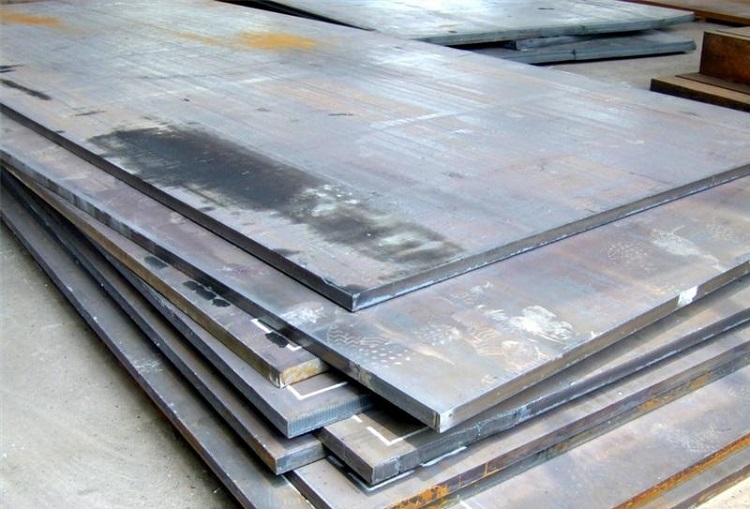
SS400 steel and ASTM A36 steel plates are common structural steel products with fabrication and welding properties suitable for various industrial applications. Reference prices for these two material categories range from VND 14,200 to VND 17,500/kg, depending on supply sources, product specifications, and commercial terms.
Meanwhile, Grade A is a specialized steel grade classified as normal-strength shipbuilding steel. Although these materials share certain mechanical characteristics, SS400, ASTM A36, and Grade A are not automatically interchangeable. For structures subject to classification society requirements, businesses must use the correct steel grades and certificates specified in the design documentation.
A572, Q345, and Q355 steel plates belong to a category of relatively high-strength structural materials suitable for various load-bearing applications in construction, mechanical fabrication, and heavy industry. The reference price of A572 steel is approximately VND 14,800/kg, while Q345 and Q355 prices were recorded at approximately VND 15,000/kg and VND 15,100/kg, respectively, in October 2026.
The selection of these steel grades for marine projects should be evaluated based on material standards and acceptance requirements. Q355 steel is not automatically equivalent to AH36 simply because their nominal yield strengths are similar. Impact toughness, chemical composition, and certification requirements must also be compared before use.
AH32 steel plates, DH32, and EH32 have a typical minimum yield strength of 315 MPa within the scope of the applicable standards. These materials are used for structures requiring higher strength than normal-strength shipbuilding steel, such as ship frames, decks, and load-bearing reinforcement components.
The main differences between AH32, DH32, and EH32 lie in their Charpy impact testing requirements at temperatures of 0°C, -20°C, and -40°C, respectively. Reference prices for AH32 start at approximately VND 14,500/kg, while DH32 and EH32 prices must be determined based on thickness, supply sources, and classification society certificates for each order.
AH36, DH36, and EH36 steel plates belong to the high-strength shipbuilding steel category, with a typical minimum yield strength of 355 MPa. These materials are used in the construction of large-tonnage vessels, container ships, oil tankers, and offshore structures, depending on the design requirements of each project.
Among these three grades, AH36 requires impact testing at 0°C, DH36 at -20°C, and EH36 at -40°C. These differences affect manufacturing requirements, quality inspection, and product availability. Therefore, businesses should request separate quotations for each steel grade rather than applying a single unit price to all Grade 36 shipbuilding steel products.
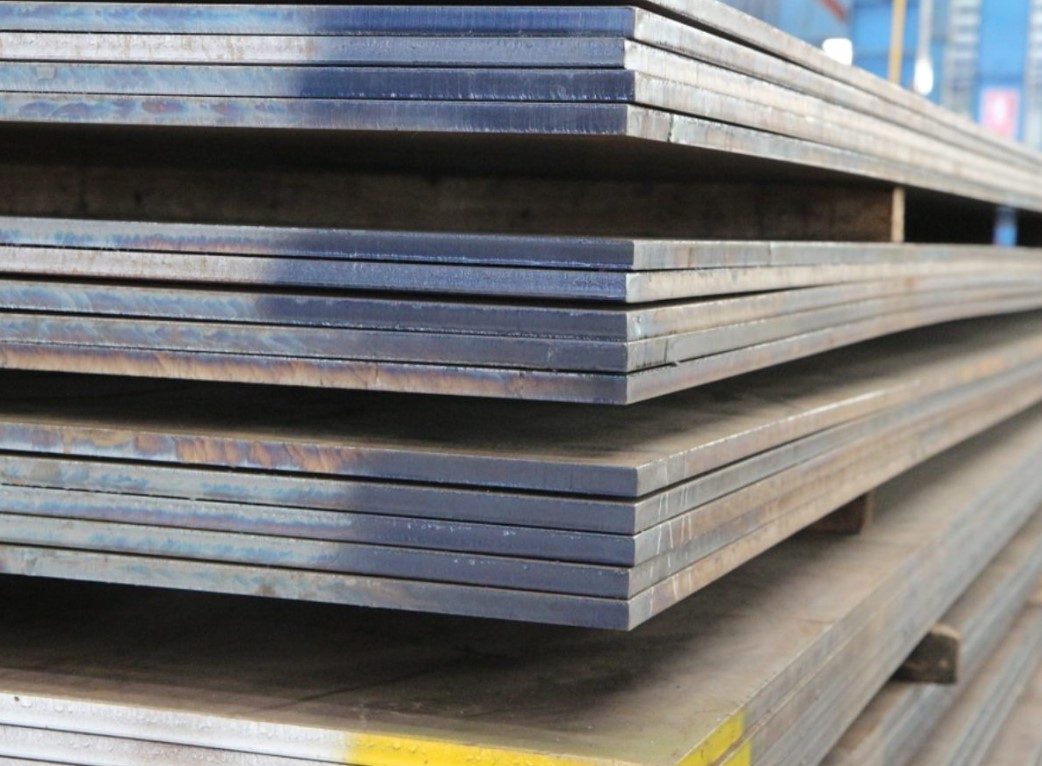
In addition to unit prices per kilogram, businesses can calculate procurement costs per full-size steel plate in advance. This method is suitable for cost estimation, material quantity takeoffs, and supply planning for each stage of new ship construction or ship repair. The value of each plate is calculated by multiplying its theoretical weight by the estimated unit price.
Based on an assumed unit price of VND 14,500/kg, the estimated costs of several common steel plate dimensions are calculated as follows:
| Dimensions (Thickness × Width × Length) | Theoretical Weight (kg/plate) | Assumed Unit Price (VND/kg) | Total Price (VND/plate) |
|---|---|---|---|
| 8 × 1,500 × 6,000 mm | 565.2 | 14,500 | 8,195,400 |
| 10 × 2,000 × 12,000 mm | 1,884 | 14,500 | 27,318,000 |
| 12 × 2,000 × 12,000 mm | 2,260.8 | 14,500 | 32,781,600 |
| 20 × 2,000 × 12,000 mm | 3,768 | 14,500 | 54,636,000 |
Note: Total prices are calculated using unrounded theoretical weights and exclude VAT, transportation, lifting, handling, and fabrication charges. The unit price of VND 14,500/kg is used solely to illustrate the cost estimation method and is not a fixed price applicable to all shipbuilding steel grades.
The theoretical weight of a steel plate is determined based on its dimensions and the density of steel, which is approximately 7,850 kg/m³. This formula helps businesses independently determine the quantity of materials required and verify the value of each plate in supplier quotations.
Weight (kg) = Thickness (mm) × Width (m) × Length (m) × 7.85
Where:
Steel plate price per plate = Plate weight × Unit price per kg
For example, a steel plate with a thickness of 10 mm, a width of 2 m, and a length of 12 m has the following theoretical weight:
10 × 2 × 12 × 7.85 = 1,884 kg/plate.
Based on an assumed unit price of VND 14,500/kg, the value of the steel plate is calculated as follows:
1,884 × 14,500 = 27,318,000 VND/plate.
Actual measured weight may differ from theoretical weight due to thickness and dimensional tolerances. When signing a contract, businesses should agree on the method used to determine billable weight to avoid discrepancies between initial cost estimates and the actual value of delivered materials.
Two steel plates with the same grade and thickness but different dimensions will have different weights and total values. For example, a 10 mm thick steel plate measuring 2,000 × 12,000 mm weighs twice as much as a plate of the same thickness measuring 2,000 × 6,000 mm. If the same unit price per kilogram is applied, the total cost will increase proportionally.
However, when selecting plate dimensions for shipbuilding projects, businesses should also consider the arrangement of components in cutting layouts. Suitable steel plate dimensions can help minimize material waste, reduce the number of welded joints, and save fabrication time. Material costs should therefore be evaluated alongside the overall manufacturing plan.
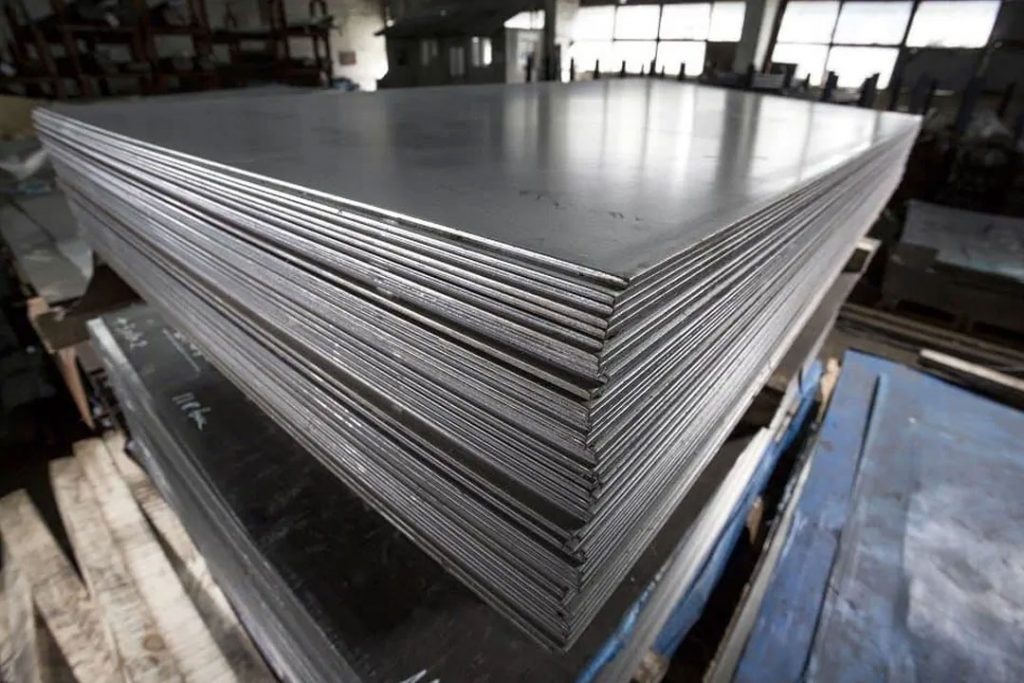
Shipbuilding steel plate prices depend not only on product weight but also on technical standards, classification society certificates, country of origin, fabrication costs, and delivery arrangements. Understanding these factors helps businesses compare quotations under equivalent commercial conditions and minimize the risk of selecting unsuitable materials for their projects.
Shipbuilding steel grades with demanding requirements for yield strength, impact toughness, and quality control generally involve different manufacturing costs compared with conventional structural steel. Therefore, AH36, DH36, or EH36 steel may be more expensive than Grade A when comparing products with equivalent dimensions and supply conditions.
Businesses should review the applicable shipbuilding steel standards before selecting materials. Changes to steel grades for cost-saving purposes should only be made when the alternative material meets design requirements and has been approved by the relevant authorities. Product quality should not be assessed solely on unit prices or nominal yield strength.
Classification society certification is an important factor when purchasing steel for the marine industry. Appropriately certified materials generally involve additional manufacturing, testing, inspection, and quality documentation requirements compared with conventional commercial steel. Price differences must be determined for each specific shipment.
Common classification societies and organizations include:
For projects subject to classification requirements, businesses should clearly identify the required certification organization when submitting a request for quotation. A batch of steel certified by CCS cannot automatically replace a batch requiring ABS or VR certification without prior approval. This is an important condition for minimizing risks during acceptance inspection.
Product origin also affects steel plate unit prices. The market offers various supply sources from domestic and international steel mills, including Japan, South Korea, China, and other steel-producing countries. Prices may vary between supply sources due to manufacturing technology, product dimensions, technical standards, and logistics costs.
When selecting manufacturers, businesses should prioritize their ability to meet the required steel grades, classification society requirements, material traceability documentation, and delivery schedules. Steel from one country should not automatically be considered more expensive or of higher quality than products from other sources without comparing equivalent technical conditions.
Steel plates with greater thicknesses or exceptionally large widths may involve specific requirements for manufacturing, storage, lifting, handling, and transportation. In addition, less common dimensions or products that must be ordered according to a steel mill’s production schedule may affect both prices and lead times.
For large-volume orders, businesses should prepare a detailed material list categorized by steel grade, thickness, and plate dimensions. Consolidating material requirements from multiple project components allows suppliers to develop suitable delivery arrangements while helping businesses control material quantities required at each production stage.
When reviewing price lists, customers should verify whether the quoted unit prices include VAT. For standard domestic steel plate transactions in Vietnam in 2026, the common VAT rate is 10%. Fabrication and transportation costs must be determined separately according to the actual conditions of each order.
Potential additional costs include:
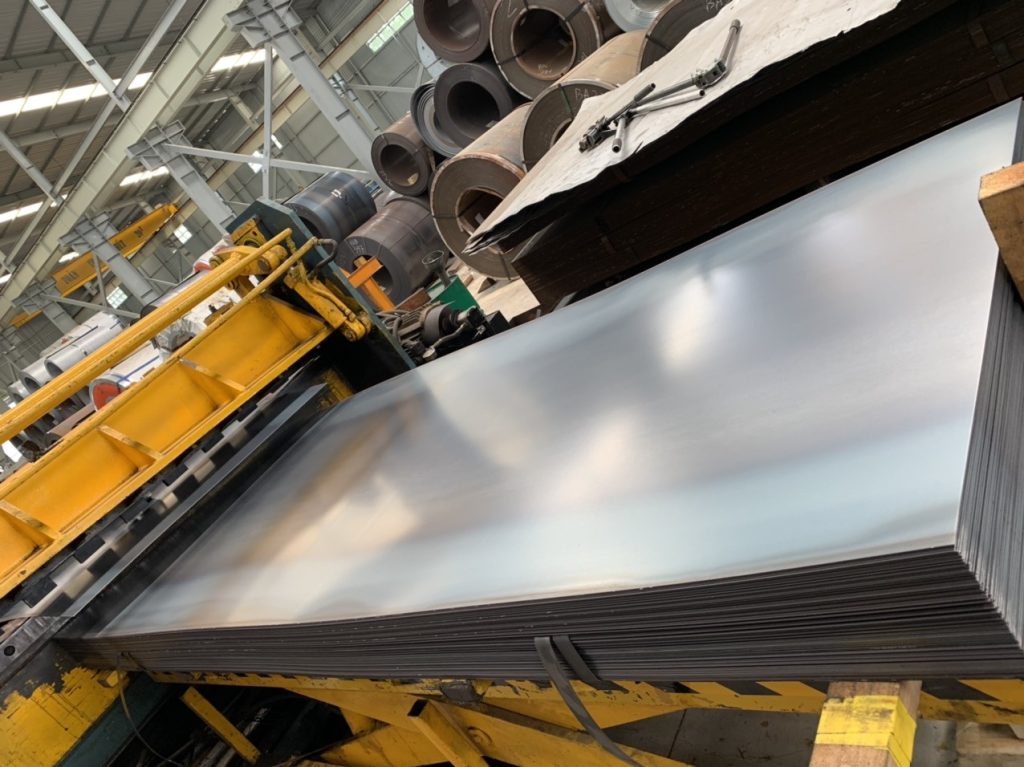
Stavian Industrial Metal (Stavian Industrial Metal Joint Stock Company) operates in the trading and supply of industrial metal materials, serving the manufacturing, construction, mechanical fabrication, and shipbuilding industries. Stavian Industrial Metal develops a diverse product portfolio to meet the material requirements of domestic and international industrial projects.
Depending on design requirements and acceptance standards, businesses may consider the following product categories available from Stavian Industrial Metal:
For projects requiring Grade A, AH32, AH36, DH36, or EH36 steel plates, Stavian Industrial Metal can review technical information to develop appropriate supply solutions. The availability of specific dimensions, certificates, and delivery schedules must be confirmed at the time of ordering.
Stavian Industrial Metal benefits from Stavian Group’s partner network and business ecosystem, combined with its network of offices and warehouses in Hanoi, Hai Phong, and Ho Chi Minh City. This provides a foundation for supporting businesses in sourcing materials for projects with substantial procurement volumes and diverse technical requirements.
Stavian Industrial Metal aims to support customers in material selection, product standard identification, and supply planning in accordance with project schedules. In the shipbuilding industry, coordinating technical requirements, quality documentation, and delivery conditions is just as important as optimizing material unit prices.
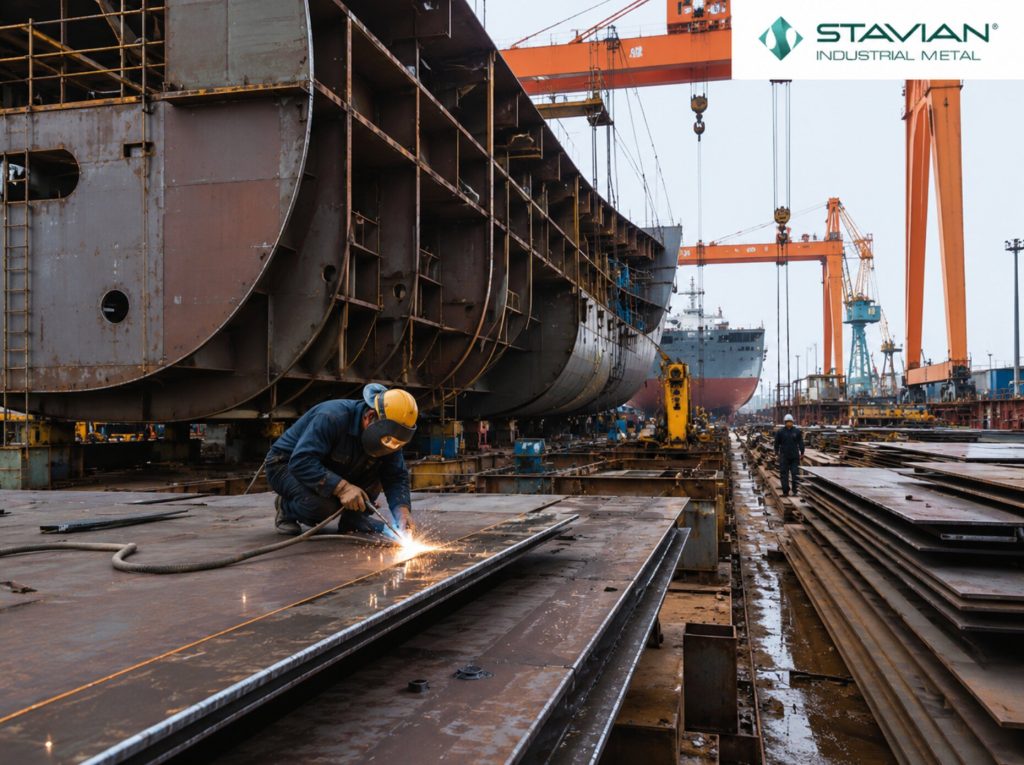
Certain reference prices recorded in 2026 range from VND 14,200 to VND 17,500/kg for common material categories serving the shipbuilding industry. However, specialized steel products requiring classification society certification, greater thickness, or specific mechanical properties may fall outside this price range. Accurate unit prices must be confirmed for each individual order.
Based on the reference price range of VND 14,200–17,500/kg, the equivalent cost is approximately VND 14,200,000–17,500,000 per metric ton. The actual payment amount also depends on steel grades, product specifications, VAT, weight calculation methods, and delivery costs.
Steel plates with classification society certificates may have higher unit prices than conventional commercial steel because they must meet additional requirements for quality, testing, certification, and material traceability. However, there is no fixed price difference applicable to all steel grades and classification societies.
AH36 and EH36 have the same nominal strength level but different impact testing requirements. Therefore, these two products do not necessarily have the same unit price. EH36 may be more expensive than AH36, depending on supply sources, thickness, manufacturing conditions, and certification requirements.
AH36 steel should not be replaced with SS400 or ASTM A36 without proper evaluation and approval. These steel grades have different requirements for mechanical properties, chemical composition, and certification standards. Any material substitution in ship structures must be evaluated and approved in accordance with design requirements and applicable classification society rules.
The shipbuilding steel plate price list provides a basis for businesses to estimate material costs for new ship construction and ship repair projects. In addition to unit prices, customers should consider steel grades, product dimensions, classification society certificates, and delivery costs. Stavian Industrial Metal supplies steel products for the shipbuilding industry, supporting businesses in selecting material solutions that meet technical requirements and production schedules.
Address
Website: https://stavianmetal.com
Email: info@stavianmetal.com