Q355 steel is a Chinese high-strength low-alloy structural steel widely used where structural components require a combination of strength, toughness, weldability and fabrication efficiency. Under GB/T 1591-2018, Q355 replaced the Q345 steel grade and introduced updated requirements for grade designation, delivery conditions, chemical composition and mechanical properties.
One of the most important characteristics of Q355 steel is its specified minimum yield strength of 355 MPa for material with a nominal thickness or diameter of up to 16 mm. However, this value should not be treated as a universal yield strength for every Q355 product because the required minimum decreases as material thickness increases. The exact properties therefore need to be checked against the product form, thickness, quality grade and delivery condition specified for the project.
This guide from Stavian Industrial Metal explains Q355 steel properties, the differences between Q355B, Q355C and Q355D, how the Q355 designation should be interpreted, commonly compared international grades such as ASTM A572 Grade 50 and S355, and the main differences between Q345 and Q355 steel. It also covers practical points to consider when purchasing Q355 plates, coils or other structural steel products.
Q355 steel is a high-strength low-alloy structural steel specified under GB/T 1591-2018. The designation provides important information about the material. The letter “Q” refers to yield strength, while “355” represents the specified minimum upper yield strength of 355 MPa for the applicable thinnest thickness range. Additional letters and delivery-condition symbols identify quality levels and manufacturing conditions.
The grade belongs to a family of structural steels developed to achieve higher load-bearing performance than conventional mild structural steels while retaining practical weldability, ductility and fabrication characteristics. This balance allows Q355 materials to be considered for structural frames, beams, columns, connection plates, machinery structures, industrial equipment and other welded components when the engineering specification permits their use.
It is also important to distinguish the material grade from the product form. Q355 steel plate, Q355 coil and structural sections may all use the Q355 designation, but dimensions, mechanical-property requirements, delivery conditions and applicable testing can differ. For flat-steel applications, buyers can also review Stavian Industrial Metal’s steel plate guide for further information on plate grades, standards and purchasing considerations.
The Q355 designation should be interpreted as part of a complete material specification rather than simply as a strength number. For hot-rolled material, quality-grade suffixes such as B, C and D distinguish requirements including impact properties. Other delivery states use additional designation symbols. For example, normalized or normalizing-rolled material uses “N”, while thermomechanically processed material uses “M”.
This distinction matters when an engineering drawing calls for a particular combination of strength and low-temperature toughness. Two products that both belong to the Q355 family are not automatically identical if their quality grade, thickness or delivery condition differs.
The mechanical performance of Q355 steel is one of the main reasons for its use in structural engineering. Yield strength, tensile strength and elongation are defined according to thickness and delivery condition rather than by one fixed value for every product.
For hot-rolled Q355 under GB/T 1591-2018, the specified upper yield strength begins at 355 MPa for nominal thicknesses or diameters up to 16 mm. As thickness increases, the minimum required yield strength gradually decreases. This thickness effect must be considered when comparing Q355 with other structural grades or calculating allowable loads.
| Nominal thickness or diameter | Minimum yield strength | Typical specified tensile strength range |
|---|---|---|
| ≤ 16 mm | 355 MPa | 470–630 MPa |
| > 16–40 mm | 345 MPa | 470–630 MPa |
| > 40–63 mm | 335 MPa | 470–630 MPa |
| > 63–80 mm | 325 MPa | 470–630 MPa |
| > 80–100 mm | 315 MPa | 470–630 MPa |
| > 100–150 mm | 295 MPa | 450–600 MPa |
| > 150–200 mm | 285 MPa | 450–600 MPa |
| > 200–250 mm | 275 MPa | 450–600 MPa |
The table highlights an important procurement point: describing Q355 simply as “355 MPa steel” is incomplete. The 355 MPa value applies to the specified thinner range. Material certificates and design calculations should always be checked against the actual thickness, product type and applicable delivery condition.
The chemical composition of Q355 structural steel is controlled to achieve the required relationship between strength, ductility, toughness and weldability. Requirements vary according to the quality grade and delivery condition, which is why chemical composition should be evaluated using the complete designation rather than the term “Q355” alone.
For hot-rolled Q355 quality grades, important controlled elements include carbon, silicon, manganese, phosphorus and sulfur. Restrictions on phosphorus and sulfur become particularly relevant when higher quality and toughness requirements are specified.
| Grade | Carbon, max. | Silicon, max. | Manganese, max. | Phosphorus, max. | Sulfur, max. |
|---|---|---|---|---|---|
| Q355B | 0.24% | 0.55% | 1.60% | 0.035% | 0.035% |
| Q355C | 0.20% | 0.55% | 1.60% | 0.030% | 0.030% |
| Q355D | 0.20% | 0.55% | 1.60% | 0.025% | 0.025% |
These figures represent maximum limits rather than target chemical compositions. Actual mill chemistry can vary within the standard requirements, and additional alloying or grain-refining elements may be controlled depending on production route and delivery condition. For welded fabrication, carbon equivalent and the complete mill test certificate should also be reviewed instead of evaluating carbon content alone.
Q355 steel properties make the material suitable for a broad range of structural and engineering applications. Its performance should nevertheless be evaluated as a combination of mechanical properties, impact requirements, fabrication method and service environment rather than on yield strength alone.
The most recognizable feature of Q355 is its higher yield-strength level compared with traditional lower-strength structural grades. At thicknesses up to 16 mm, hot-rolled Q355 has a specified minimum yield strength of 355 MPa. Higher yield strength can help structural designers achieve the required load-bearing performance without automatically increasing material thickness, although section sizing must always be determined through engineering calculations.
This strength level makes Q355 relevant to structural components subjected to significant static loads, including frames, supporting members, industrial structures and fabricated equipment. The final design must account for product thickness because the specified minimum yield strength reduces for thicker material.
Q355 steel is designed for structural fabrication where welding is commonly required. Its chemistry and carbon-equivalent controls support practical welding performance when appropriate procedures are used. This makes Q355 suitable for welded assemblies such as structural frames, fabricated beams, brackets, platforms and machinery structures.
Good weldability does not mean that every Q355 thickness can be welded using the same procedure. Plate thickness, carbon equivalent, restraint level, welding consumable, heat input, ambient conditions and joint geometry can influence the risk of cracking. Critical structures should therefore use a qualified welding procedure and appropriate preheat or interpass controls where required.
Q355 combines higher strength with sufficient ductility for many common fabrication processes. Depending on thickness and product condition, it can be cut, drilled, bent and formed into structural components using suitable equipment and procedures.
Higher-strength steel generally requires greater forming force than lower-strength mild steel. Minimum bend radius, rolling direction, edge condition and forming temperature should therefore be considered before cold bending. For components involving severe deformation, the fabrication requirement should be reviewed together with the steel producer’s material data and the applicable standard.
Impact toughness becomes increasingly important when structures may experience dynamic loading or low service temperatures. The quality-grade suffix in the Q355 family helps distinguish impact-related requirements, while delivery conditions such as normalized or thermomechanically processed steel provide further options for projects with demanding toughness specifications.
Instead of selecting a Q355 grade solely from yield strength, engineers should consider the lowest design temperature, plate thickness, loading condition and required Charpy V-notch impact properties. These factors are especially important for bridges, large welded structures, lifting equipment and other components where brittle fracture must be controlled.
Ductility allows structural steel to deform before fracture and is essential to forming operations as well as structural behavior. Hot-rolled Q355 has specified elongation requirements that vary with thickness and specimen orientation. For thinner material, longitudinal elongation requirements are higher than for very thick products.
This combination of strength and ductility is one reason Q355 is useful in structural fabrication. Nevertheless, the actual elongation shown on the material certificate should be checked when a component requires demanding bending, forming or deformation performance.
Standard Q355 steel should not be treated as a weathering or corrosion-resistant steel simply because it is a high-strength low-alloy grade. The Q355 designation primarily defines structural-steel requirements; it does not by itself indicate the enhanced atmospheric corrosion resistance associated with dedicated weathering-steel grades.
For outdoor, humid, industrial or marine exposure, the corrosion-protection system should be selected according to the environment and project life requirements. Depending on the application, this may involve painting, protective coating, galvanizing or another specified surface-treatment system.
The term Q355 steel grade covers more than one quality level. For hot-rolled Q355 under GB/T 1591-2018, the commonly specified quality grades are Q355B, Q355C and Q355D. The main distinction is not simply carbon content; quality grades also relate to impact-test requirements and material quality.
Selection should therefore be based on service temperature, structural criticality, thickness, fabrication method and project specification. Using a higher letter suffix without checking the complete standard does not automatically guarantee suitability for a specific application.
Q355B steel is one of the most widely recognized members of the Q355 family and is commonly selected for general structural fabrication where the specified mechanical properties and impact requirements satisfy the project design. It combines high structural strength with practical weldability and fabrication performance.
Applications can include building structures, industrial frames, machinery components, supporting structures and fabricated steel assemblies. Stavian Industrial Metal lists Q355B among the grades available within its hot rolled steel portfolio, which covers hot-rolled coils and plates for industrial requirements.
Q355C steel belongs to a higher quality level with tighter phosphorus and sulfur limits than Q355B in the hot-rolled specification. Its impact requirements also differ from grade B, making Q355C relevant where greater control of toughness is required.
When Q355C is being considered for a project, the specified impact-test temperature, plate thickness, orientation and certificate requirements should all be checked. This is particularly important for structures exposed to lower operating temperatures or dynamic loads.
Q355D steel introduces tighter limits for phosphorus and sulfur than Q355B and Q355C in the hot-rolled grade table and is associated with more demanding toughness requirements under applicable conditions. It may therefore be selected for structures where impact behavior is more critical.
Because impact requirements can depend on thickness, product form and delivery condition, the designation should never be interpreted in isolation. Project specifications should state the complete steel grade, delivery state and required testing.
The term Q355E steel is frequently encountered in commercial discussions, but the delivery-condition notation needs to be understood correctly. Under GB/T 1591-2018, hot-rolled Q355 is specified with quality grades B, C and D. For normalized or normalizing-rolled Q355N and thermomechanically processed Q355M, the standard provides additional quality grades including E and F.
As a result, specifications requiring a higher quality level should identify the complete designation and delivery condition, such as the relevant Q355N or Q355M grade, rather than assuming every “Q355E” product is technically identical. This distinction is particularly important when comparing quotations or approving material certificates.
ASTM A572 Grade 50 is one of the American structural-steel grades most commonly compared with Q355B because the two materials occupy a similar strength class and are used for many similar structural applications. However, describing ASTM A572 Grade 50 as a direct, universally interchangeable Q355B equivalent can be misleading.
ASTM A572 Grade 50 has a minimum yield-strength level of 345 MPa for the applicable product range, while Q355 reaches 355 MPa in its thinnest specified range. The two standards also differ in chemical limits, thickness-dependent mechanical requirements, testing provisions, product scope and impact requirements.
| Comparison point | Q355B | ASTM A572 Grade 50 |
|---|---|---|
| Standard system | GB/T | ASTM |
| Structural-steel category | High-strength low-alloy structural steel | High-strength low-alloy structural steel |
| Minimum yield level | 355 MPa for nominal thickness ≤16 mm; decreases with increasing thickness | 345 MPa for Grade 50 within applicable product limits |
| Automatic substitution? | No. Project specification and engineering approval should govern substitution. | |
For procurement, Q355B vs A572 Grade 50 should therefore be treated as a technical comparison rather than a direct conversion. If a drawing specifies ASTM A572 Grade 50, supplying Q355B without approval may create compliance issues even when the strength values appear similar.
International steel standards use different grade-designation systems, testing methods and thickness-dependent requirements. For this reason, an “equivalent grade” should usually be understood as an approximate cross-reference rather than permission for direct substitution.
Commonly compared materials include the EN S355 family, ASTM A572 Grade 50 and JIS SM490 structural grades. The closest choice depends on the specific Q355 quality level and the properties required by the project.
| Standard system | Common comparison | Practical interpretation |
|---|---|---|
| GB/T | Q355B / Q355C / Q355D | Chinese high-strength low-alloy structural grades |
| EN 10025 | S355JR / S355J0 / S355J2 | Common approximate cross-references with similar nominal strength levels and differentiated impact requirements |
| ASTM | ASTM A572 Grade 50 | Frequently compared structural HSLA grade; not an exact one-to-one substitute |
| JIS | SM490 family | Common structural comparison requiring grade-by-grade technical verification |
Before approving an alternative material, engineers should compare at least yield and tensile strength, elongation, impact toughness, chemical composition, carbon equivalent, thickness range, delivery state and required inspection documents. The governing design code and customer specification take precedence over a generic equivalency table.
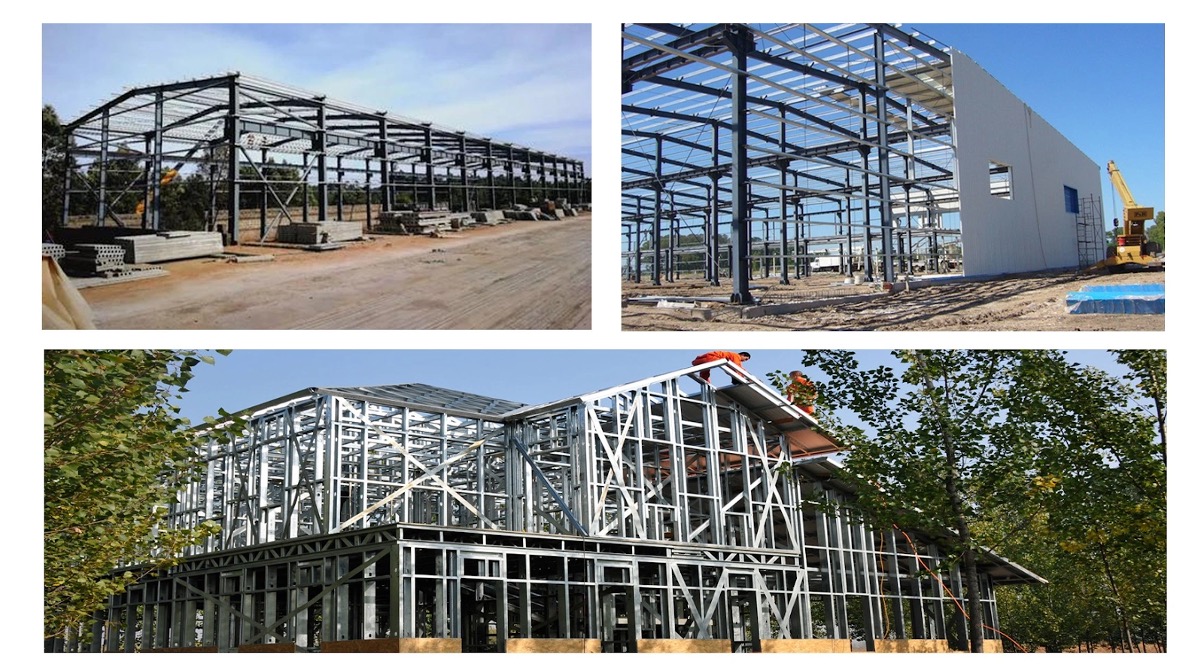
Q355 structural steel can be used in a wide range of fabricated structures where its mechanical properties match the design requirement. Typical application areas include building structures, industrial facilities, transportation infrastructure, mechanical equipment, welded frames and other load-bearing components.
The exact grade and product form should be selected according to the operating environment, design load, plate or section thickness, welding requirements and required toughness. A general-purpose Q355B specification, for example, may not be appropriate for a project requiring specifically documented low-temperature impact properties.
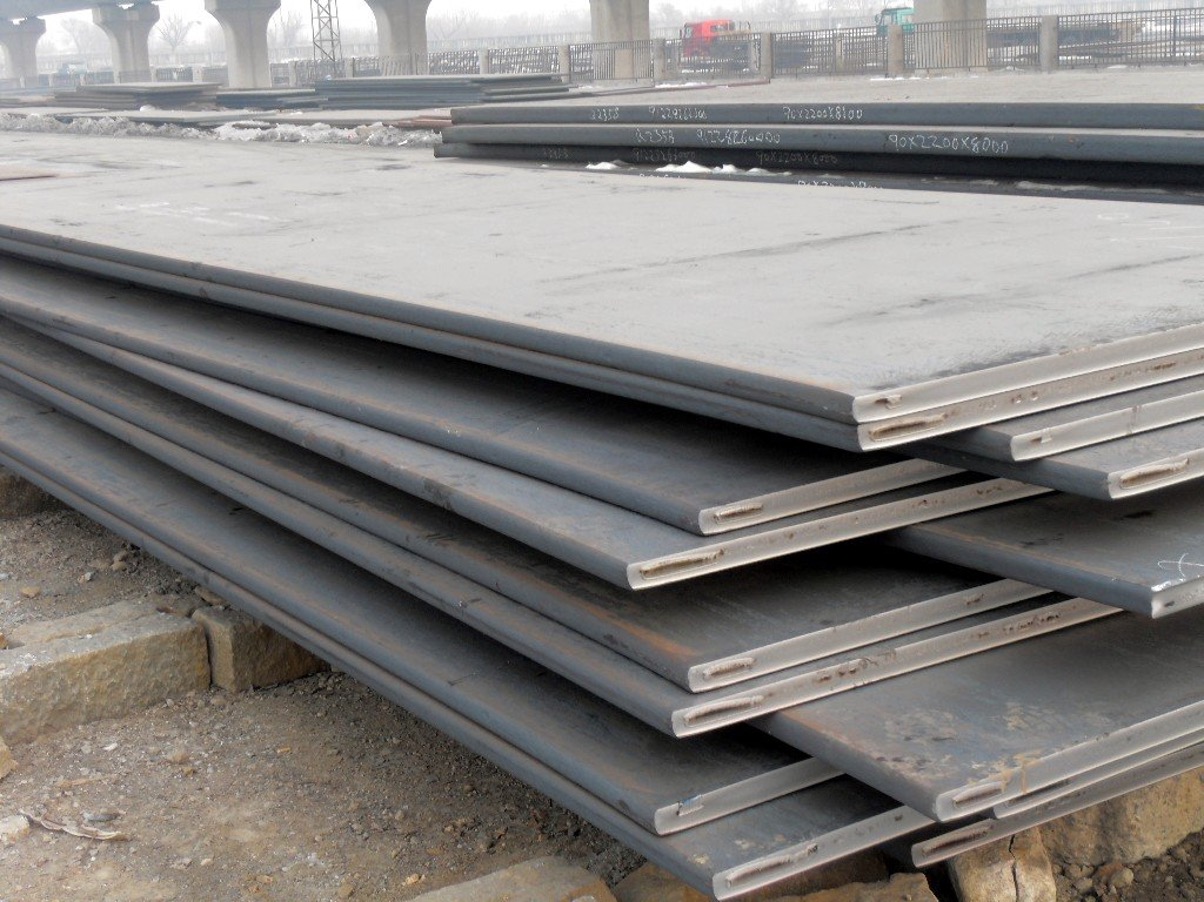
Q355 steel plate and structural products can be used for beams, columns, connection plates, base plates, supports, platforms and fabricated frames. Higher strength can provide design flexibility where load capacity and structural weight are important considerations.
Stavian Industrial Metal’s construction steel portfolio includes structural steel plate in grades such as Q235, Q345 and Q355 as well as A36 and A572, supporting transportation infrastructure, industrial parks, factories and other structural applications.
Structural steels in the Q355 strength class can be considered for fabricated machine frames, brackets, supports, equipment structures and other components requiring greater strength than conventional mild steel. Their weldability also makes them practical for complex welded assemblies.
For machinery exposed to fatigue, shock loading or low temperatures, the quality grade should be selected based on calculated service conditions rather than strength alone.
Higher-strength structural steel is frequently used in infrastructure where designers need reliable strength, weldability and toughness. Q355 can be relevant to bridge and transportation-related fabrication when accepted by the applicable project specification and design standard.
Infrastructure procurement often places additional requirements on impact testing, traceability, dimensional tolerances, welding qualification and inspection documentation. These items should be defined in the purchase specification before the material is ordered.
Stavian Industrial Metal provides a diversified steel portfolio for construction, industrial manufacturing and engineering applications. Within its hot rolled steel products, Stavian Industrial Metal supplies coils and plates across multiple common grades, with Q355B included among the listed grade options. Available steel standards cover several international systems, enabling product specifications to be aligned with individual project requirements.
For structural projects, the company’s structural and construction steel range includes structural steel plates with Q355 among the available grades. This product category supports applications including transportation and port infrastructure, industrial facilities and factories. Buyers requiring flat products can also use the steel plate guide to evaluate plate grades, standards, thicknesses and documentation requirements.
In addition to the nominal steel grade, Stavian Industrial Metal recommends defining the complete purchasing specification, including standard, quality grade, product form, dimensions, thickness, quantity, delivery condition, required testing and certification. For Q355 in particular, this approach prevents confusion between Q355B, Q355C, Q355D and Q355 grades supplied under different delivery conditions.
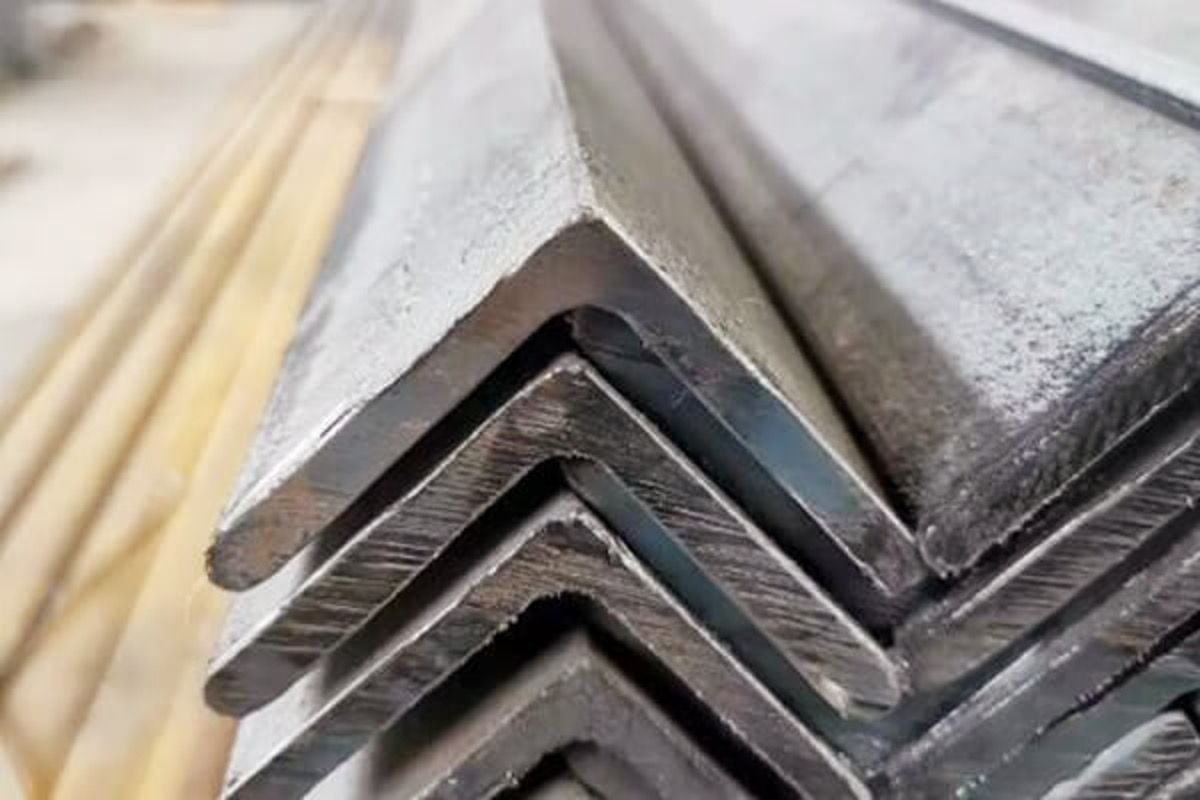
For the applicable thinner thickness range, Q355 has a higher specified yield-strength level than the former Q345 grade. However, GB/T 1591-2018 did more than simply increase the strength number. It replaced Q345 with Q355 while revising grade designations, mechanical-property requirements, chemistry provisions and other technical requirements.
The specified minimum upper yield strength is 355 MPa for hot-rolled Q355 with a nominal thickness or diameter up to 16 mm. The required value decreases as thickness increases, so 355 MPa should not be used as a universal value for all Q355 products.
Q355B and ASTM A572 Grade 50 are frequently compared because they occupy similar structural-strength categories, but they are not exact equivalents. A572 Grade 50 has a 345 MPa minimum yield-strength level within its applicable requirements, while Q355 reaches 355 MPa for its thinnest specified range. Chemistry, thickness limits, toughness requirements and testing provisions also differ.
Q355 steel is a high-strength low-alloy structural steel that combines useful strength, ductility, toughness and fabrication performance for construction, infrastructure, machinery and industrial applications. Under GB/T 1591-2018, the grade replaced Q345 and introduced updated requirements that make the complete material designation, thickness and delivery condition essential to correct specification.
For hot-rolled products, Q355B, Q355C and Q355D represent different quality levels, while normalized and thermomechanically processed Q355 grades provide additional options for more demanding toughness requirements. Although ASTM A572 Grade 50, S355 and SM490 are commonly compared with Q355, none should be treated as a universal one-to-one substitute without reviewing the governing standard and project requirements.
Stavian Industrial Metal supplies hot rolled steel in coils and plates, including Q355-grade options, together with a broader construction steel portfolio for structural and industrial applications. Correct specification of grade, dimensions, delivery condition, testing and certification remains the key to obtaining Q355 material that matches the intended engineering performance.
See More
Address
Website: https://stavianmetal.com
Email: info@stavianmetal.com