In today’s steel export market, buyers are no longer evaluating raw materials only by price, iron content, or delivery schedule. They are also asking whether the material can support lower-carbon steel production, stable electric arc furnace operation, and long-term supply security. This is why Hot Briquetted Iron (HBI) has become one of the most important metallic feedstocks for modern steelmakers, especially in regions where scrap quality is inconsistent or where green steel targets are becoming stricter.
Hot Briquetted Iron (HBI) is a compacted form of direct reduced iron, produced by reducing iron ore in the solid state and then briquetting the hot material into dense, stable blocks. Compared with conventional DRI, HBI is easier to store, handle, and transport over long distances. This makes it highly suitable for international trade, seaborne logistics, and large-scale steel production planning. As global crude steel production remains enormous and the steel industry continues to face pressure to reduce emissions, HBI is increasingly viewed as a bridge between traditional ironmaking and the emerging green steel economy.
Global direct reduced iron production reached about 140.8 million tonnes in 2024, up 3.8% from the previous record of 135.7 million tonnes in 2023, showing that DRI and HBI are no longer niche materials but fast-growing components of the global steel raw material chain. At the same time, blast furnace-basic oxygen furnace production still accounts for about 70% of global steel output, which explains why low-emission alternatives such as DRI-EAF and HBI-based steelmaking are gaining strong strategic attention.
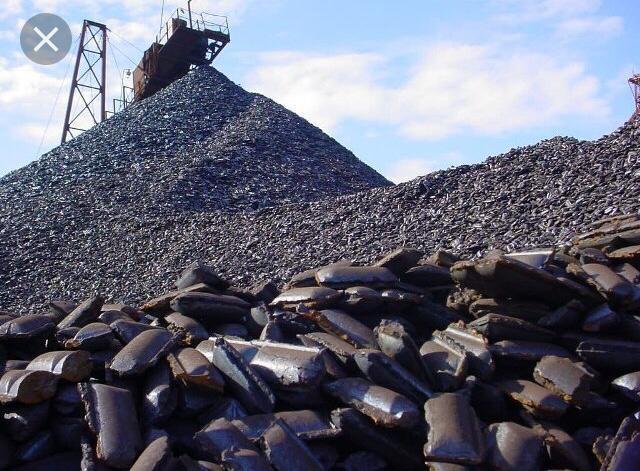
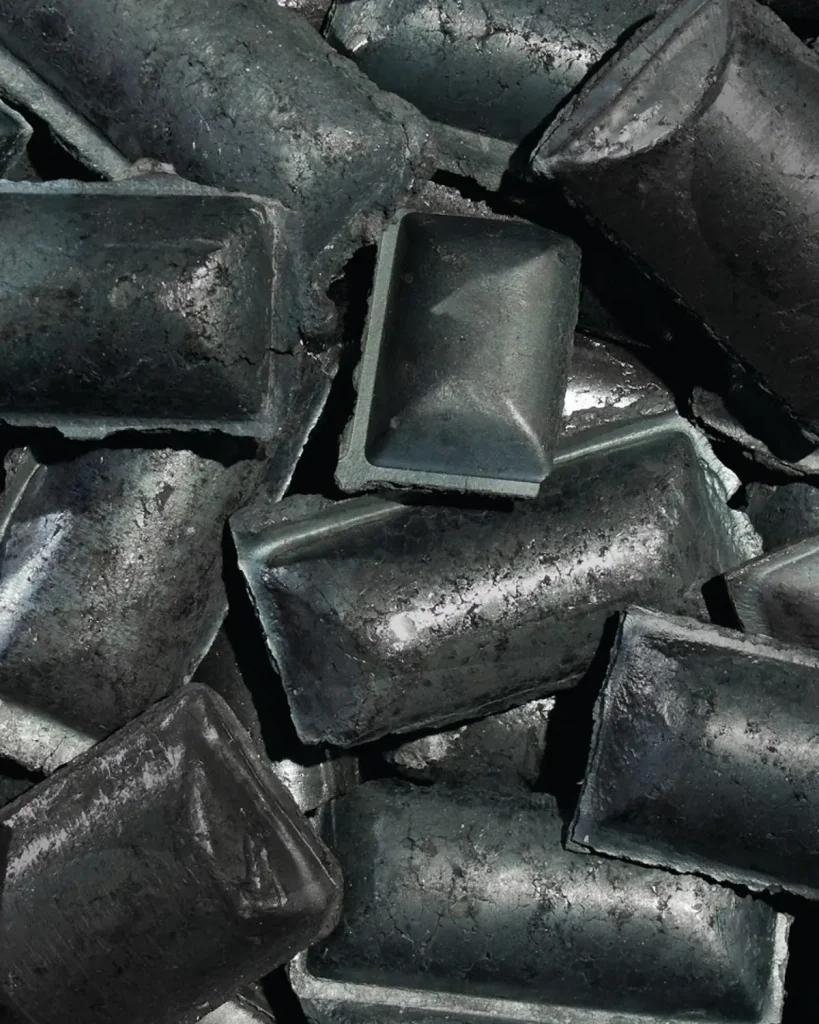
Hot Briquetted Iron (HBI) is a premium iron-bearing metallic material made by compacting hot direct reduced iron into pillow-shaped briquettes. The process usually takes place at high temperature immediately after direct reduction, allowing the porous reduced iron to be densified into a safer and more stable product. In practical steelmaking terms, HBI is valued because it contains a high percentage of metallic iron and can be charged into electric arc furnaces, basic oxygen furnaces, and certain blast furnace operations.
The key difference between HBI and many other iron units is its physical form. Cold DRI can be reactive and requires careful handling because of its porous structure. HBI, however, has higher density and lower surface area, which improves resistance to reoxidation and reduces the risk of self-heating during storage and shipping. This feature is especially important for export markets, where materials may move through ports, warehouses, bulk carriers, and inland transport systems before reaching the steel mill.
HBI belongs to the DRI family, but it serves a different commercial and logistical role. Cold DRI is often consumed near the production site, while HBI is designed for merchant trade. Pig iron is produced through high-temperature smelting and normally carries higher carbon content. Scrap is recycled steel and may contain residual elements such as copper, tin, chromium, or nickel depending on its source. HBI offers steelmakers a cleaner iron unit with predictable chemistry, making it useful when scrap quality is limited or when low-residual steel grades are required.
| Material | Main Advantage | Main Limitation | Typical Use |
| HBI | High metallic iron, stable for transport | Requires reliable DRI production capacity | EAF, BOF, export trade |
| Cold DRI | High iron content | More reactive in storage and shipping | Nearby EAF steelmaking |
| Pig Iron | High iron unit value | Higher carbon and blast furnace dependence | BOF, EAF dilution |
| Scrap | Low-carbon recycled input | Quality varies by source | EAF steelmaking |
Electric arc furnace steelmaking is expanding because it can use electricity, scrap, DRI, and HBI to produce steel with potentially lower emissions than coal-based blast furnace routes. However, EAF steelmakers cannot rely on scrap alone for every grade. High-quality flat steel, automotive steel, special bar quality steel, and certain export-grade products often require low-residual metallics. This is where Hot Briquetted Iron (HBI) becomes valuable: it helps dilute impurities in scrap while increasing the metallic iron content of the furnace charge.
For exporters and steel producers, HBI also improves production flexibility. When scrap prices rise, scrap availability tightens, or scrap quality deteriorates, HBI gives mills another reliable iron source. This is especially relevant in Asia, the Middle East, Europe, and North America, where steelmakers are balancing cost control, emissions targets, and quality requirements. In a volatile raw material environment, the ability to blend HBI with scrap, pig iron, and other metallics can become a strong competitive advantage.
The steel industry is responsible for a significant share of industrial carbon emissions, largely because traditional blast furnace production depends heavily on coke and coal. Hydrogen-based direct reduction and renewable-energy-supported DRI-EAF routes are now among the most discussed pathways for producing lower-carbon steel. According to recent international analysis, hydrogen DRI-EAF is emerging as a preferred low-emission option in selected regions, although early commercial plants can still cost 50% to 140% more than conventional BF-BOF plants depending on regional conditions.
This cost gap is important for buyers to understand. HBI is not simply a commodity; it is part of a broader transition in steelmaking technology, energy sourcing, and carbon accounting. As carbon border measures, green procurement standards, and ESG reporting become more detailed, the value of low-emission metallics may increasingly depend on verified production routes, renewable energy use, hydrogen availability, and transparent documentation. Steel exporters that understand HBI early can prepare more effectively for future customer requirements.
The production of Hot Briquetted Iron (HBI) begins with direct reduction. In this process, iron ore pellets or lump ore are exposed to reducing gases, commonly a mixture of hydrogen and carbon monoxide, at temperatures below the melting point of iron. Instead of melting the ore, the process removes oxygen from iron oxides and produces solid metallic iron. This is why DRI is sometimes called sponge iron: it retains a porous structure after oxygen removal.
Natural gas-based direct reduction has been widely used in regions with competitive gas supply, particularly in the Middle East and North Africa. Hydrogen-based direct reduction is now gaining attention because hydrogen can reduce iron ore while producing water vapor rather than carbon dioxide at the reduction stage. In practice, many plants may move through transitional blends of natural gas and hydrogen before reaching higher hydrogen ratios, depending on technology readiness, energy cost, and infrastructure availability.
After direct reduction, hot DRI is compressed into briquettes at high temperature. This step transforms a porous and reactive material into dense HBI. The briquetting process improves bulk density, reduces exposed surface area, and enhances mechanical durability. For international trade, these characteristics matter because a steel raw material must remain safe and consistent through long supply chains.
HBI is typically shipped in bulk and handled through conventional port infrastructure, provided that storage and handling standards are properly followed. Its stability makes it more suitable than many forms of DRI for seaborne export. For buyers, this means HBI can be sourced across borders as part of a diversified metallics strategy. For suppliers, it creates an opportunity to serve markets that need premium iron units but do not have domestic DRI production capacity.
The most important technical value of Hot Briquetted Iron (HBI) is its high metallic iron content. Steelmakers want feedstocks that contribute efficiently to liquid steel yield, minimize unwanted impurities, and support predictable furnace performance. Because HBI is produced from iron ore through direct reduction, its chemistry can be more controlled than mixed scrap. This makes it particularly useful in steel mills producing demanding grades.
High metallic iron content also supports operational efficiency. In EAF steelmaking, the furnace operator can optimize the charge mix to balance melting energy, slag practice, carbon injection, oxygen use, and final steel chemistry. HBI can improve charge consistency and reduce dependence on uncertain scrap markets. For mills serving export customers with strict specifications, that consistency can be as valuable as the iron unit itself.
Residual elements are a major concern in scrap-based steelmaking. Elements such as copper and tin can accumulate in recycled steel and become difficult to remove once they enter the melt. For long products used in general construction, this may be manageable. For flat products, deep drawing grades, exposed automotive panels, and certain high-performance steels, residual control is much more critical.
HBI helps solve this challenge because it provides virgin iron units with low residual content. When added to an EAF charge, it dilutes residuals from scrap and helps steelmakers meet stricter chemical limits. This is one reason HBI demand is closely connected to the expansion of higher-quality EAF steelmaking. As more producers attempt to make premium flat steel through EAF routes, demand for clean metallics such as HBI is likely to remain strategically important.
From an export perspective, HBI’s physical stability is a decisive advantage. Steel raw materials are often transported through complex chains involving inland haulage, port storage, vessel loading, ocean shipping, discharge, and mill delivery. A material that is too reactive, fragile, or inconsistent can create safety and quality risks. HBI’s dense briquetted form reduces those risks and makes it more suitable for merchant trading.
This is why HBI is often described as the internationally tradable form of DRI. For steel importers, it provides access to direct reduced iron even when domestic reduction capacity is unavailable. For producers in energy-rich or renewable-energy-rich regions, HBI offers a way to export value-added iron units rather than only exporting energy or raw ore. This trade logic is becoming increasingly relevant as green hydrogen projects, renewable power investments, and green steel supply chains develop.
The electric arc furnace is one of the most important applications for Hot Briquetted Iron (HBI). In an EAF, HBI can be charged with scrap to improve the metallic balance and reduce unwanted residual elements. Depending on the steel grade and furnace practice, HBI may be used as a small percentage of the charge or as a more substantial component. The best ratio depends on scrap quality, electricity cost, oxygen practice, carbon strategy, and target chemistry.
For EAF operators, HBI can support more predictable melting and refining. It allows mills to produce higher-quality grades even when local scrap supply is inconsistent. This is particularly relevant in export-oriented steel production, where buyers may require tight control over chemistry, mechanical properties, surface quality, and traceability. HBI gives the steelmaker a cleaner input that can help stabilize the production process.
Although HBI is often associated with EAF steelmaking, it can also be used in BOF operations. In a basic oxygen furnace, HBI can serve as a coolant and iron source. Because it contains high metallic iron and relatively low impurities, it can help adjust the metallic charge and support process control. This application may be useful for integrated steel plants seeking to optimize hot metal balance or reduce dependence on certain raw materials.
In BOF use, the economic value of HBI depends on local hot metal cost, scrap availability, productivity targets, and desired steel chemistry. It is not always the lowest-cost input, but it can deliver value when quality, emissions, or operational flexibility are important. As integrated mills face increasing pressure to reduce carbon intensity, blending strategies involving HBI may receive more attention.
Specialty steel producers often need feedstocks with clean and consistent chemistry. HBI is useful in this context because it helps reduce the variability associated with scrap. It can support production of steels used in automotive components, high-strength structures, machinery, energy projects, shipbuilding, and engineered industrial applications. These sectors often demand reliable mechanical performance and strict quality assurance.
For exporters, quality consistency is essential. A mill that can demonstrate stable raw material sourcing and controlled metallic input has a better position when serving international customers. HBI contributes to this stability by offering a cleaner iron source that supports repeatable steelmaking results. In competitive export markets, repeatability can directly affect customer trust, claims reduction, and long-term contract opportunities.
Hydrogen-based HBI is important because it addresses one of the largest emissions sources in the steel value chain: the reduction of iron ore. Traditional blast furnace ironmaking uses carbon both as a fuel and as a reducing agent. Hydrogen direct reduction offers a pathway to reduce iron ore with much lower direct carbon emissions when the hydrogen is produced from renewable energy. This makes green HBI a potential building block for near-zero-emission steelmaking.
However, hydrogen-based HBI is not only a technical issue; it is also an energy, infrastructure, and cost issue. Large-scale green hydrogen requires renewable electricity, electrolyzer capacity, water management, storage, transport, and stable policy frameworks. This is why early green HBI projects are often developed through partnerships and offtake agreements. The market needs credible producers, committed buyers, and logistics partners capable of moving material across borders.
As green steel procurement becomes more sophisticated, buyers will increasingly ask for documentation. It will not be enough to call a product “green” without evidence. Customers may request information on reduction technology, energy source, hydrogen origin, emissions intensity, chain of custody, certificates, and compliance with relevant standards. For HBI suppliers, transparency will become a commercial requirement.
This shift is already visible in steel-consuming industries. Automotive manufacturers, renewable energy developers, infrastructure contractors, and multinational industrial companies are setting emissions reduction targets across their supply chains. HBI can help steelmakers respond to these expectations, especially when it is produced with renewable energy and green hydrogen. The result is a new type of competition in steel raw materials: not only cost per tonne, but verified carbon performance per tonne.
When purchasing Hot Briquetted Iron (HBI), buyers should begin with chemical quality. Important indicators include total iron, metallic iron, metallization rate, carbon content, gangue levels, sulfur, phosphorus, and residual elements. The target specification depends on the furnace route and steel grade. A buyer producing low-residual flat steel may prioritize different parameters than a producer focused on commodity long products.
Metallization is especially important because it indicates how much of the iron has been reduced to metallic form. Higher metallization generally means better iron yield, but the full value must be assessed together with gangue content, carbon level, physical quality, and delivered cost. Buyers should avoid evaluating HBI only by headline iron percentage. A complete technical and commercial assessment provides a more accurate view of value in use.
Physical quality affects transport, storage, and furnace charging. Buyers should evaluate briquette density, size consistency, fines generation, abrasion resistance, and moisture exposure during logistics. Excessive fines can create handling losses and operational issues. Poorly formed briquettes may degrade during shipping. A reliable HBI supplier should be able to provide consistent physical quality and suitable documentation.
For export shipments, logistics planning is also essential. The buyer should consider port capacity, vessel type, storage conditions, insurance requirements, and applicable handling standards. HBI is more stable than conventional DRI, but it remains an iron-bearing metallic material that should be managed professionally. A strong supplier does not only provide material; it supports the buyer with technical understanding, documentation, and supply chain coordination.
HBI procurement is not only a spot-buying decision. For mills that depend on HBI to achieve product quality or emissions targets, supply security is critical. Buyers should evaluate the supplier’s production source, offtake position, logistics network, financial capability, and track record. Long-term supply arrangements may be preferable when the material is strategically important to mill operations.
In a market where green HBI supply is still developing, early partnerships can provide significant advantages. Buyers that wait until regulations become stricter may face limited availability or higher premiums. A structured supply strategy helps steelmakers manage future risk, especially in markets exposed to carbon costs, green procurement rules, or export competitiveness pressures.
Stavian Industrial Metal provides comprehensive solutions in the trading of industrial metal materials and is committed to elevating Vietnamese industrial metal products onto the global stage. Within the steel raw material segment, Stavian Industrial Metal offers DRI-related solutions, including HBI, which is suitable for steelmakers seeking stable metallic feedstock for EAF, BOF, and other furnace applications. The company’s product positioning aligns closely with the global shift toward cleaner steelmaking and higher-quality metallic inputs.
For buyers evaluating Hot Briquetted Iron (HBI), Stavian Industrial Metal can support sourcing strategies that require international trade capability, market understanding, and product knowledge. HBI is especially suitable for customers who need a transportable and stable DRI form, high metallic iron contribution, and better control over residual elements. This makes it relevant for steel mills, foundries, trading houses, and industrial manufacturers looking for cleaner iron units in their supply chain.
Stavian Industrial Metal’s long-term direction in green HBI and DRI is demonstrated through its strategic cooperation with ACME Group. The binding term sheet for 0.8 million tonnes per annum of green HBI and DRI over 10 years reflects a serious commitment to sustainable steel raw materials. The planned supply is connected to ACME’s Phase 1 green HBI and DRI facility, which is expected to use renewable energy and green hydrogen sources.
This is highly relevant for customers preparing for stricter carbon requirements. By building access to green HBI and DRI, Stavian Industrial Metal is positioning itself not only as a metal trader but also as a participant in the future low-carbon steel ecosystem. For export-oriented steelmakers, this type of supply relationship may help reduce exposure to carbon-related trade barriers and strengthen their ability to serve customers with ESG and emissions requirements.
Steelmakers do not buy HBI in isolation. They buy it as part of a broader charge mix strategy involving scrap, pig iron, DRI, ferroalloys, fluxes, energy, and production targets. A knowledgeable partner can help customers understand how HBI fits into their technical and commercial objectives. This includes evaluating grade requirements, furnace route, logistics constraints, and long-term procurement planning.
Stavian Industrial Metal’s focus on industrial metals gives it a broad view of the steel supply chain. For customers, this matters because raw material decisions increasingly require cross-market knowledge. Scrap availability, iron ore trends, energy prices, freight rates, carbon policy, and regional demand can all affect HBI value. A supplier with market insight can help buyers make more informed decisions.
Export steel markets are demanding. Buyers expect consistent quality, competitive pricing, reliable documentation, and on-time delivery. HBI can support export steel production by improving feedstock consistency and helping mills produce grades with lower residual content. This is particularly useful when customers require traceability and stable mechanical properties.
For Vietnam and broader Asian markets, the role of HBI may expand as regional steel producers move toward higher-value products and cleaner production routes. Vietnam exported over 12.62 million tonnes of iron and steel in 2024, generating more than USD 9.08 billion, showing the scale and importance of the country’s steel export activity. As export competition intensifies, better raw material strategies can help producers improve quality and respond to sustainability expectations.
HBI is not simply “better” than scrap; it serves a different function. Scrap is essential for circular steelmaking and can support low-emission production when electricity is clean. However, scrap quality varies, and residual elements can limit its use in demanding steel grades. HBI complements scrap by adding cleaner virgin iron units to the furnace charge.
In many EAF operations, the best solution is not choosing only scrap or only HBI, but finding the right blend. A mill producing commodity rebar may use a high scrap ratio, while a mill producing premium flat products may require more HBI or other clean metallics. The correct decision depends on steel grade, local scrap market, energy cost, and customer requirements.
Yes. One of the main advantages of Hot Briquetted Iron (HBI) is that it is designed for safer long-distance transportation compared with more reactive forms of DRI. Its dense briquetted form improves stability and makes it more practical for seaborne trade. This is why HBI is widely considered the merchant-trade form of DRI.
That said, professional handling remains important. Buyers and logistics providers should follow appropriate storage, loading, moisture control, and safety procedures. HBI should be treated as a valuable metallic feedstock requiring proper supply chain management, not as a simple bulk commodity with no technical considerations.
Green HBI will not replace traditional ironmaking overnight. Blast furnace-basic oxygen furnace production remains dominant globally, and the transition requires massive investment in renewable energy, hydrogen, direct reduction capacity, electric arc furnaces, and grid infrastructure. However, green HBI can become an important part of the transition because it allows low-emission iron units to be produced in suitable regions and exported to steelmakers elsewhere.
In the near and medium term, HBI will likely grow as a complementary feedstock. It can support EAF expansion, improve steel quality, reduce residual challenges, and help steel producers prepare for carbon-conscious markets. Over the long term, as hydrogen costs decline and green steel demand strengthens, green HBI may become a more central raw material in global steel trade.
Hot Briquetted Iron (HBI) is becoming increasingly important because it solves several problems at once. It provides high-quality metallic iron, supports cleaner EAF steelmaking, improves control over residual elements, and enables DRI to be traded safely across long distances. In a steel market shaped by decarbonization, quality requirements, and supply chain volatility, HBI is no longer just an alternative iron unit. It is a strategic feedstock.
The latest market data confirms that DRI production is growing, while global steelmakers continue to search for practical ways to reduce emissions without sacrificing quality or productivity. HBI fits directly into this transition. It helps mills optimize charge mix, reduce reliance on uncertain scrap quality, and prepare for green steel requirements. As hydrogen-based direct reduction develops, green HBI will become even more important for producers and buyers seeking lower-carbon steel solutions.
For customers looking to understand, source, and apply HBI effectively, Stavian Industrial Metal offers relevant industrial metal expertise and suitable DRI/HBI product solutions. Through its strategic direction in green HBI and DRI, including long-term cooperation for green steel raw materials, Stavian Industrial Metal is well positioned to support steelmakers, industrial buyers, and export-oriented manufacturers as they adapt to the next generation of steel production.
Read more
Address
Website: https://stavianmetal.com
Email: info@stavianmetal.com