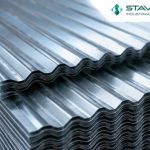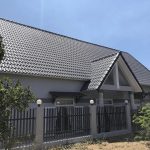
Color coated steel is a steel material covered with a protective metallic coating and a layer of paint to enhance corrosion resistance, protect the surface and improve its appearance. With a wide range of colors, relatively lightweight construction and flexible fabrication capabilities, color coated steel is widely used in residential and industrial construction. So, what is color coated steel, what types are available, and what are its specifications and prices? Stavian Industrial Metal provides a detailed overview below.
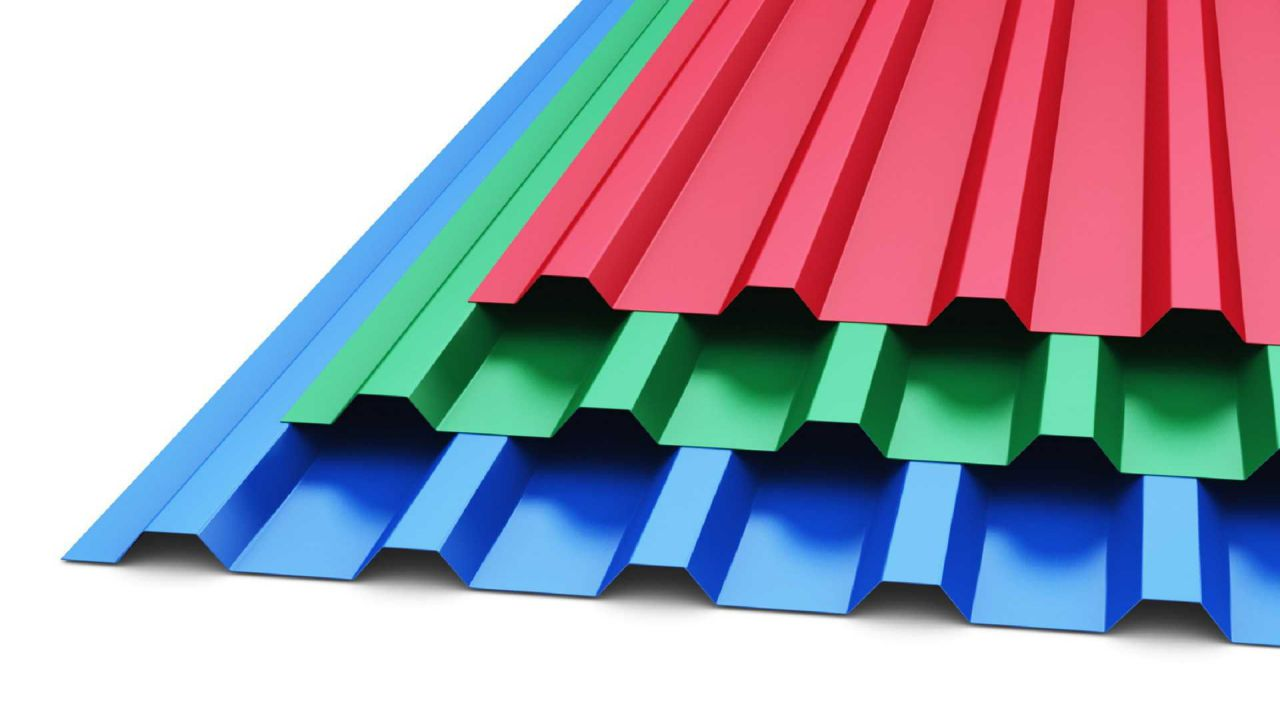
Color coated steel, also known as pre-painted steel or pre-coated steel, is a steel sheet product covered with a protective metallic coating, followed by surface treatment and paint application to achieve the required color. This process creates a multilayer protective system that helps minimize direct contact between the steel substrate and moisture, oxygen and other corrosive environmental factors.
In the steel industry, color coated steel is commonly manufactured in coil form and subsequently processed into flat sheets, corrugated roofing sheets or products with different profiles. The two main categories are PPGI (pre-painted galvanized steel) and PPGL (pre-painted Galvalume steel). Their primary difference lies in the composition of the metallic coating beneath the paint system.
Compared with untreated steel, color coated steel offers advantages in material protection and surface finish. However, actual durability depends not only on the paint coating but also on the steel substrate, coating weight, paint type, installation conditions and service environment. Therefore, when selecting color coated steel roofing sheets, it is important to evaluate technical factors rather than focusing solely on color or price.
PPGI stands for Pre-Painted Galvanized Iron, referring to galvanized steel with a color paint coating. This product uses a galvanized steel (GI) substrate. The zinc coating protects the base steel, while the outer paint system provides color and additional resistance to environmental exposure.
PPGI is used in roofing sheets, partitions, rolling shutters, construction accessories and various fabricated metal products. When selecting this material, manufacturers should consider zinc coating weight, steel thickness, paint system and forming requirements. In particular, products requiring bending or roll forming depend heavily on the mechanical properties of the steel substrate and the adhesion of the paint coating.
PPGL stands for Pre-Painted Galvalume, referring to color coated steel manufactured using an aluminium-zinc alloy-coated steel substrate. This material is also commonly known as pre-painted Galvalume steel. The aluminium-zinc alloy coating works together with the paint system to protect the steel surface while meeting architectural color and finishing requirements.
PPGL is widely used in residential roofing, industrial wall cladding, prefabricated steel buildings and other products requiring a finished metal surface. Its corrosion resistance and thermal reflectivity depend on the coating structure, paint system and conditions of use. Therefore, not all PPGL products can be assumed to offer identical service life or heat resistance.
The structure of color coated steel consists of multiple material layers with different functions. Together, these layers provide mechanical strength, corrosion protection and an attractive appearance. Each layer plays an important role in maintaining product quality during fabrication, installation and use.
In general, a typical color coated steel system includes a steel substrate, metallic coating, surface treatment layer, primer and finishing paint. Depending on the product, the reverse side may feature a different paint system to meet specific protection requirements. The exact structure should be confirmed through the technical documentation for each product.
| Structural Layer | Characteristics and Functions |
|---|---|
| Steel substrate | Determines the hardness, mechanical strength, load-bearing characteristics and formability of the steel sheet. |
| Metallic coating | Usually consists of zinc or an aluminium-zinc alloy, helping protect the steel substrate against oxidation and corrosion. |
| Surface treatment layer | Improves bonding between the metallic coating and the paint system. |
| Primer coating | Supports the adhesion of the finishing paint and provides additional surface protection. |
| Topcoat | Provides color, gloss, surface effects and weather resistance according to the properties of the selected paint system. |
| Back coating | Helps protect the underside of the steel sheet, depending on the product configuration. |
Not all color coated steel sheets with the same appearance offer equivalent quality. Products may differ in metallic coating thickness, paint film thickness, coating adhesion and resistance to ultraviolet radiation. These differences influence color retention and surface protection throughout the product’s service life.
For roofing and exterior wall applications, the paint coating is regularly exposed to sunlight, rain and temperature fluctuations. Selecting a paint system suitable for the installation environment is therefore essential. Particular attention should also be paid to vulnerable areas such as cut edges, screw holes and surfaces scratched during installation.
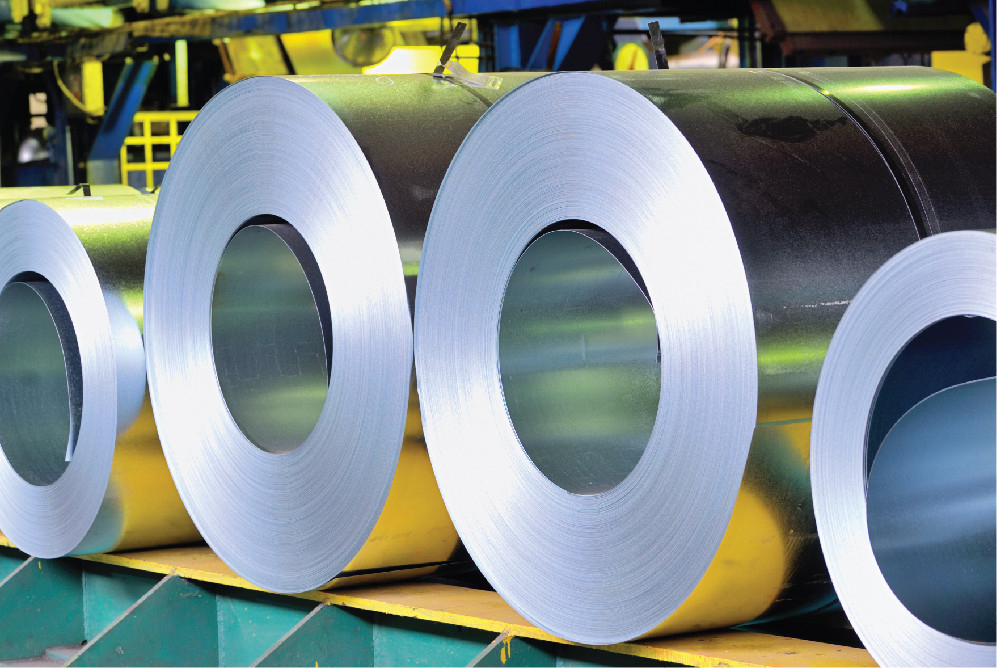
Color coated steel is widely used in construction because it combines the mechanical characteristics of steel with a protective surface coating. This makes it a suitable material for applications requiring durability, manageable weight and architectural flexibility.
One of the main advantages of pre-painted galvanized steel and pre-painted Galvalume steel is their multilayer protective system. The metallic coating helps protect the steel substrate from corrosion, while the paint system creates an additional barrier against moisture and environmental exposure.
This structure makes color coated steel suitable for various outdoor applications. However, its corrosion resistance depends on the coating type, coating thickness and environmental conditions. For coastal buildings, high-humidity areas or particularly corrosive environments, materials should be selected according to specific technical requirements.
The finishing paint allows color coated steel to be manufactured in various colors, gloss levels and surface textures. Popular colors include blue, red, white, grey, brown and other neutral shades, allowing architects and designers to create distinctive building appearances.
Color selection may depend on the architectural style, wall colors, surrounding landscape or corporate branding. For factories and commercial buildings, consistent color across large surface areas is particularly important, especially when materials are delivered in multiple shipments or production batches.
Compared with many heavier roofing materials, color coated steel roofing sheets have a relatively low weight. This characteristic makes transportation, lifting and installation more convenient while helping optimize loads on appropriately designed roof structures.
Color coated steel can be roll-formed into various corrugated profiles to meet stiffness and drainage requirements. Nevertheless, roofing installation must comply with technical requirements concerning purlin spacing, roof slope, fastening positions, sheet overlaps and occupational safety.
Color coated steel can be supplied as coils, sheets or slit coils, making it suitable for manufacturing processes such as roll forming, cutting, bending and shaping. This flexibility supports a wide range of applications, from roofing production to rolling shutters, partitions and metal accessories.
The factory-applied paint finish also reduces the need for on-site painting. During use, maintenance generally involves cleaning, inspecting fastening points and promptly addressing areas where the protective coating has been damaged. These practices help maintain the quality and appearance of the finished structure.
The thermal performance of a steel roof depends on several factors, including color, solar reflectance, paint system, material thickness, insulation layers and ventilation design. Certain products with specialized paint coatings may help reduce solar heat absorption, but not all color coated steel products should be considered effective thermal insulation materials.
Similarly, a single layer of color coated steel is not a dedicated sound insulation solution. To reduce rain noise or heat transfer through the roof, buildings may incorporate additional insulation, acoustic materials or appropriately designed insulated sandwich panels. Performance should be assessed based on the complete roofing or wall system rather than the outer steel sheet alone.
On the market, color coated steel types are generally classified according to their metallic coating, finished profile and intended application. Each category offers different characteristics in terms of surface protection, fabrication and practical use.
For painted steel materials, the main categories can be distinguished according to their underlying substrate structure:
Among these options, PPGI and PPGL are two of the most commonly used color coated steel products. When comparing them, buyers should consider environmental conditions, durability requirements, formability, metallic coating weight and overall cost of use. Selection should not be based solely on the name of the metallic coating without considering the accompanying specifications.
Color coated steel can be processed into several finished forms for different applications:
For corrugated steel products, the number of ribs alone does not determine quality. Rib height, corrugation pitch, steel thickness and effective cover width also influence performance. The appropriate profile should be selected according to structural design and actual installation requirements.
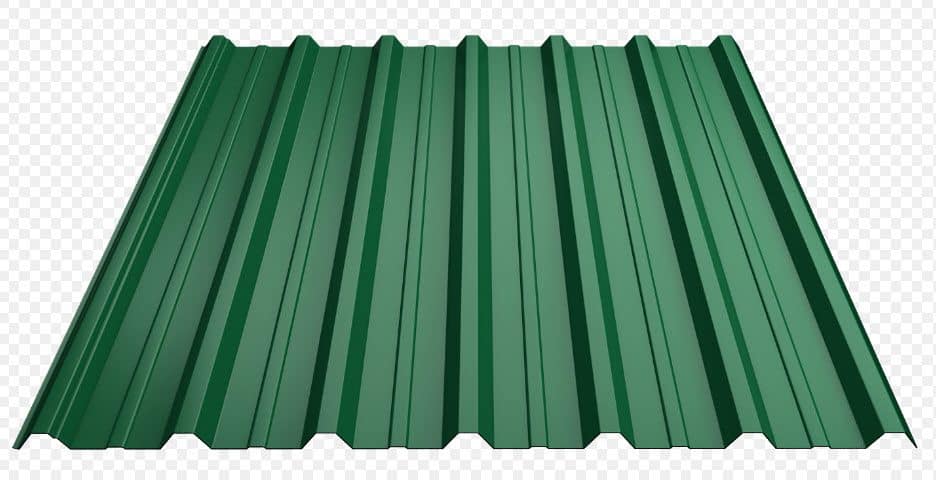
Thanks to its fabrication flexibility and finished surface, color coated steel is used across many industries. From residential buildings to industrial factories, this material supports enclosure systems, structural protection and architectural design.
Color coated steel roofing is one of the material’s most familiar applications. Steel can be roll-formed into corrugated profiles, cut to the required design length and installed on a suitable roofing framework. The wide range of colors also allows the roof to complement the overall appearance of the building.
For factories and warehouses, roofing material selection should consider building area, wind loads, roof slope, purlin spacing and weather conditions. Fastening points, gutters and sheet overlaps should also be properly designed to ensure drainage and reduce the risk of water leakage.
Color coated steel sheets are used as exterior cladding for prefabricated steel buildings, factories and warehouses. Their flexible forming capabilities allow them to meet different architectural, stiffness and dimensional requirements.
In buildings requiring temperature or noise control, color coated steel can be combined with insulation materials to create multilayer building envelope systems. Steel thickness, paint type and fastening structure should be selected according to the operating conditions of each project.
PPGI and PPGL color coated steel are commonly used as facing materials in insulated panel systems. In this construction, two steel sheets typically protect the core material and provide finished surfaces, while the core delivers thermal insulation or other required technical properties.
Panels made with color coated steel can be used for factory partitions, warehouses and industrial buildings. When selecting steel facings for panels, important considerations include flatness, formability, adhesion to the core material and corrosion resistance of the coating system.
The wide selection of colors makes color coated steel suitable for advertising boards, signage and architectural decorative components. The material can be cut, bent or formed into different shapes while reducing the need for additional painting after fabrication, provided that the original coating remains intact.
For outdoor applications, the paint system should be suitable for exposure to sunlight, rain and humidity. Areas where cutting, drilling or fabrication exposes the steel substrate should also be protected according to technical recommendations to reduce localized corrosion.
Beyond construction, color coated steel is used to manufacture rolling shutters, cabinets, equipment housings and various fabricated sheet metal products. Surface quality and formability are particularly important for these applications because materials often undergo bending, cutting or stamping operations.
The steel substrate should be selected according to the deformation requirements of the finished product. If the substrate hardness or paint system is unsuitable, the coating may be affected during fabrication. Mechanical properties and paint system quality should therefore be considered together.
The color coated steel manufacturing process generally uses continuous coil coating technology on a metallic-coated steel substrate. This method allows the paint coating to be controlled along the length of the steel coil before the material is fabricated into finished products.
In manufacturing facilities, metallic coating and color coating may be carried out on separate production lines. Depending on the plant’s technology, processing sequences and equipment can vary, but the objective remains the same: to produce steel with suitable paint adhesion, surface quality and technical specifications.
The initial raw material is generally a steel coil with mechanical properties appropriate for the intended application. The substrate is cleaned before undergoing galvanizing or aluminium-zinc alloy coating, creating a protective metallic layer.
In hot-dip metallic coating production, the line may use controlled-atmosphere heating furnaces to prepare the steel surface before coating. The coating weight is adjusted using suitable equipment to achieve the required specifications. The finished metallic-coated steel is then used in the subsequent color coating process.
The metallic-coated steel coil is fed into the color coating line, unwound and passed through cleaning equipment to remove oil, dust and other contaminants that could affect paint adhesion.
After cleaning, the steel surface undergoes further treatment to improve bonding with the paint system. This stage is essential because pretreatment quality can directly influence coating adhesion, uniformity and durability during service.
Primer is applied to the treated metallic surface to create a bonding layer for the finishing paint. Depending on the product system, one or both sides of the steel may receive coatings designed for different functions.
After application, the primer undergoes curing under suitable temperature and time conditions. This process allows the paint film to develop the required properties before the finishing coat is applied.
This stage creates the characteristic appearance of color coated steel. The finishing paint is applied to the steel surface using specialized coating equipment, followed by further curing and cooling.
Depending on the intended application, the product may use different paint systems, including PE, PVDF or other specialized coatings. Each has different characteristics regarding adhesion, gloss, weather resistance and fabrication requirements, so the selection should reflect actual operating conditions.
After coating, the steel is inspected for thickness, surface quality, color, paint coating characteristics and other technical requirements according to the applicable product standards.
The finished material is recoiled, packaged and transported to fabricators or end users. For roofing applications, color coated steel coils generally undergo additional roll forming and cutting to the required length. Therefore, corrugation is typically performed after the steel has received its finished color coating.
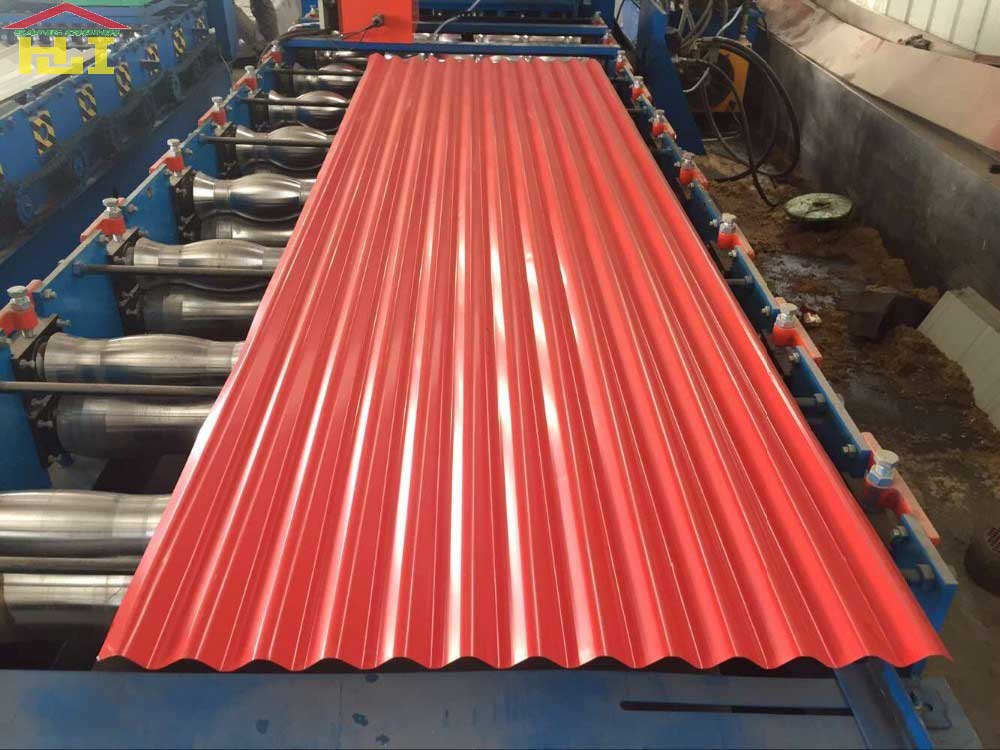
Color coated steel standards provide an important basis for evaluating material requirements. Depending on the market, application and manufacturer, products may comply with different standard systems.
Several international standards related to pre-painted steel products are widely used in the industry:
Each standard has its own scope and technical requirements. Therefore, the relevant product category, steel grade, metallic coating and paint system must be correctly identified. When purchasing materials for a construction project, design specifications should be compared with the manufacturer’s technical documentation to ensure suitability.
Color coated steel specifications depend on manufacturing capabilities, product category and intended application. According to the coated steel product portfolio of Stavian Industrial Metal, PPGI/PPGL products are available with the following specifications:
| Category | Product Specifications |
|---|---|
| Product type | PPGI/PPGL |
| Steel thickness | 0.28 – 1.20 mm |
| Paint coating thickness | 5 – 30 µm |
| Coated steel width range | 600 – 1,500 mm |
| Paint systems and surface finishes | PE, ME, EP, PVDF, textured coatings and other available finishes |
| Supply forms | Coils, slit coils or sheets |
| Applicable standards | JIS, EN, ASTM and other standards appropriate to the product category |
In addition, Stavian Industrial Metal’s project steel portfolio includes color coated steel products with a width of 1,200 mm, steel grades ranging from G350 to G550, and various color and metallic coating options. Specific product dimensions and properties should be selected according to the requirements of each construction project or fabrication line.
Thickness is an important parameter affecting the weight, formability and mechanical characteristics of color coated steel. However, when comparing products, it is necessary to distinguish between the base metal thickness and the total coated thickness, which includes the protective layers.
In addition to nominal thickness, products have dimensional tolerances defined by applicable standards. Therefore, commercial descriptions such as 3 dem, 4 dem or 5 dem should not be used as the sole basis for evaluation. Thickness should be verified against technical specifications and the measurement methods applicable to each product.
The dimensions of color coated steel sheets after roll forming depend on the corrugation profile, incoming coil width and fabrication equipment. Profiles with 5, 6, 7, 9 or 11 ribs are used to meet different requirements for drainage, stiffness and appearance.
It is important to distinguish between overall width and effective cover width. Overall width refers to the actual total width of the sheet, while effective cover width represents the usable width after accounting for overlaps between adjacent sheets. This is an essential parameter when calculating the quantity of roofing material required.
| Steel Sheet Type | Characteristics | Applications |
|---|---|---|
| 5-Rib Color Coated Steel | A profile with fewer ribs and relatively wider corrugation spacing, depending on its design. | Residential roofing, factories and warehouses. |
| 6-Rib Color Coated Steel | Features six formed ribs, with rib dimensions and heights determined by the roll-forming system. | Roofing and building enclosure applications. |
| 7-Rib Color Coated Steel | Contains seven formed ribs and is suitable for selected roofing and wall cladding systems. | Residential and industrial buildings. |
| 9-Rib Color Coated Steel | A profile with more ribs, generally selected according to forming and design requirements. | Roofing, factory wall cladding and residential construction. |
| 11-Rib Color Coated Steel | Features a higher number of ribs across the sheet width, depending on the product system. | Wall cladding and applications compatible with the profile. |
When selecting corrugated color coated steel sheets, it is important to determine roof length, slope, drainage arrangements and transportation conditions. Sheet length can be customized within the capabilities of the production line and the installation conditions, helping reduce the number of joints along the roof slope.
For large buildings, optimizing effective cover width can reduce material waste and the number of overlapping joints. However, the final selection should still consider load-bearing requirements, purlin spacing, waterproofing performance and the recommendations of the structural designer or profile manufacturer.
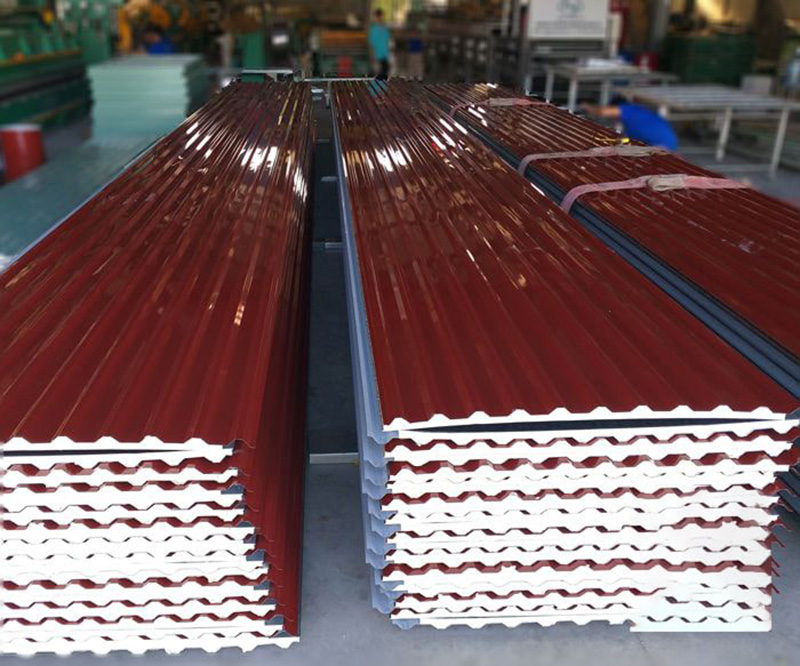
The weight of color coated steel is an important parameter for material estimation, structural load calculations and transportation planning. Actual weight depends on steel substrate thickness, width, length, metallic coating, paint system and manufacturing tolerances.
For a quick estimate of the steel substrate weight, a steel density of approximately 7,850 kg/m³ can be used. This provides a theoretical calculation basis and does not replace the actual weight of a fully coated finished product.
For flat steel sheets, the theoretical weight of the steel substrate can be approximately calculated using the following formula:
M (kg) = T (mm) × W (m) × L (m) × 7.85
Where:
For example, a steel substrate sheet with a thickness of 0.5 mm, width of 1 m and length of 2 m has the following theoretical weight:
M = 0.5 × 1 × 2 × 7.85 = 7.85 kg.
This calculation does not fully account for the weight of the metallic coating, paint system or manufacturing tolerances. For corrugated sheets, the developed sheet area or actual product weight corresponding to the specific profile should be used.
To estimate the weight of the steel substrate per square meter of a flat sheet, the following formula can be used:
Steel substrate weight (kg/m²) ≈ Thickness (mm) × 7.85
| Steel Substrate Thickness | Theoretical Weight per m² |
|---|---|
| 0.30 mm | 2.355 kg/m² |
| 0.35 mm | 2.748 kg/m² |
| 0.40 mm | 3.140 kg/m² |
| 0.45 mm | 3.533 kg/m² |
| 0.50 mm | 3.925 kg/m² |
Note: The figures above represent theoretical calculations for the steel substrate only. They are not finished-product weight specifications for any particular manufacturer or brand.
When the weight and steel substrate thickness are known, the flat sheet area can be estimated using the formula:
Area (m²) ≈ Weight (kg) / [Thickness (mm) × 7.85]
For example, 100 kg of steel substrate with a thickness of 0.4 mm corresponds to a theoretical area of approximately 31.85 m².
This calculation is useful for preliminary material estimates. However, to determine the actual roof coverage area, it is necessary to account for effective cover width after roll forming, sheet overlaps and installation waste.
The price of color coated steel is an important consideration when selecting materials for roofing, cladding or manufacturing applications. Market prices vary depending on the brand, thickness, metallic coating, paint system and fabrication specifications.
In particular, prices for steel coils used in manufacturing cannot be directly compared with corrugated roofing sheet prices quoted per linear meter unless they are converted using equivalent thickness, width, weight and delivery terms.
| Nominal Thickness | Reference Weight (kg/m) | Reference Price (VND/m) |
|---|---|---|
| 3 dem | 1.6 | 46,000 |
| 3 dem | 1.8 | 50,000 |
| 3.5 dem | 2.2 | 59,000 |
| 4 dem | 2.45 | 63,000 |
| 4 dem | 2.6 | 67,000 |
| 4.5 dem | 2.9 | 71,000 |
| 4.5 dem | 3.1 | 77,000 |
| 5 dem | 3.45 | 84,000 |
Note: These figures are historical reference prices from previously published price lists and have not been verified as current quotations. Actual weights and selling prices should be confirmed according to the specific product specifications.
| Nominal Thickness | Reference Weight (kg/m) | Reference Price (VND/m) |
|---|---|---|
| 3.5 dem | 3.0 | 88,000 |
| 4 dem | 3.4 | 95,000 |
| 4.5 dem | 3.8 | 106,000 |
| 5 dem | 4.4 | 121,000 |
Note: The prices shown above are historical references and have not been confirmed as currently valid. Unit prices may vary depending on location, product specifications, order volume and distribution policies.
| Nominal Thickness | Unit | Reference Price (VND/m) |
|---|---|---|
| 4 dem | Linear meter | 102,000 |
| 4.5 dem | Linear meter | 114,000 |
| 5 dem | Linear meter | 125,000 |
Note: This reference price list does not represent current selling prices or all Hoa Sen color coated steel product lines. Accurate quotations should be confirmed according to the product code, thickness, sheet width and purchasing date.
Stavian Industrial Metal supplies a portfolio of GI, GL and PPGI/PPGL coated steel products for construction, fabrication and industrial manufacturing applications. Products are available in several supply forms, including steel coils, slit coils and sheets, supporting different material processing requirements.
In particular, PPGI/PPGL color coated steel serves the needs of roofing sheet manufacturers, insulated panel producers, construction contractors and sheet metal fabricators. Product selection is based on the required steel substrate, thickness, width, paint system and applicable quality standards.
Stavian Industrial Metal’s PPGI/PPGL products have steel thicknesses ranging from 0.28 to 1.20 mm and paint coating thicknesses ranging from 5 to 30 µm. Available paint systems and surface finishes include PE, ME, EP, PVDF and textured coatings.
The coated steel portfolio includes widths ranging from 600 to 1,500 mm, depending on the product category, with applicable standards including JIS, EN and ASTM.
These specifications allow materials to be selected for various fabrication requirements, from roll forming roofing sheets to manufacturing finished metal components.
In addition to color coated steel, Stavian Industrial Metal supplies GI galvanized steel and GL Galvalume steel. These materials can be used directly or subsequently processed with color coatings according to manufacturing requirements.
For GI products, steel thickness ranges from 0.30 to 3.0 mm, with zinc coating designations ranging from Z40 to Z350 g/m². For GL products, thickness ranges from 0.18 to 2.0 mm, with aluminium-zinc alloy coating designations ranging from AZ30 to AZ200 g/m².
These specifications apply to their respective coated steel product categories and should not automatically be assumed to apply to all PPGI/PPGL products.
With a diverse product portfolio, Stavian Industrial Metal supplies coated steel materials suitable for roofing, wall cladding, insulated panels and fabricated components. Depending on the application, materials can be selected by thickness, dimensions, coating system and technical standards.
For projects requiring consistent material quality, selecting the appropriate steel grade, thickness and coating is essential for controlling finished-product performance.
Detailed information about the company’s products is available on the coated steel product page.
Color coated steel combines a steel substrate, protective metallic coating and finishing paint system to provide surface protection, visual appeal and flexible fabrication capabilities. To select the most suitable product, buyers should consider its structure, thickness, dimensions, applicable standards, service environment and overall cost.
Stavian Industrial Metal offers a range of PPGI/PPGL color coated steel products and other coated steel materials to meet diverse construction and industrial manufacturing requirements.
READ MORE RELATED ARTICLES
Address
Website: https://stavianmetal.com
Email: info@stavianmetal.com