LED aluminum profiles have become a familiar lighting fixture in our lives, serving to enhance the aesthetic appeal and unique beauty of living spaces. Despite being a relatively new product, it introduces a fresh and delightful sensation, augmenting the enthusiasm for our living environments.
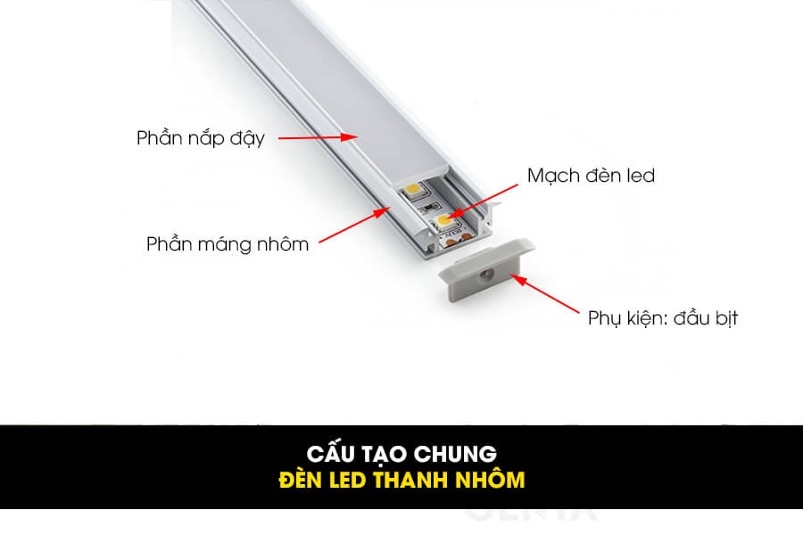
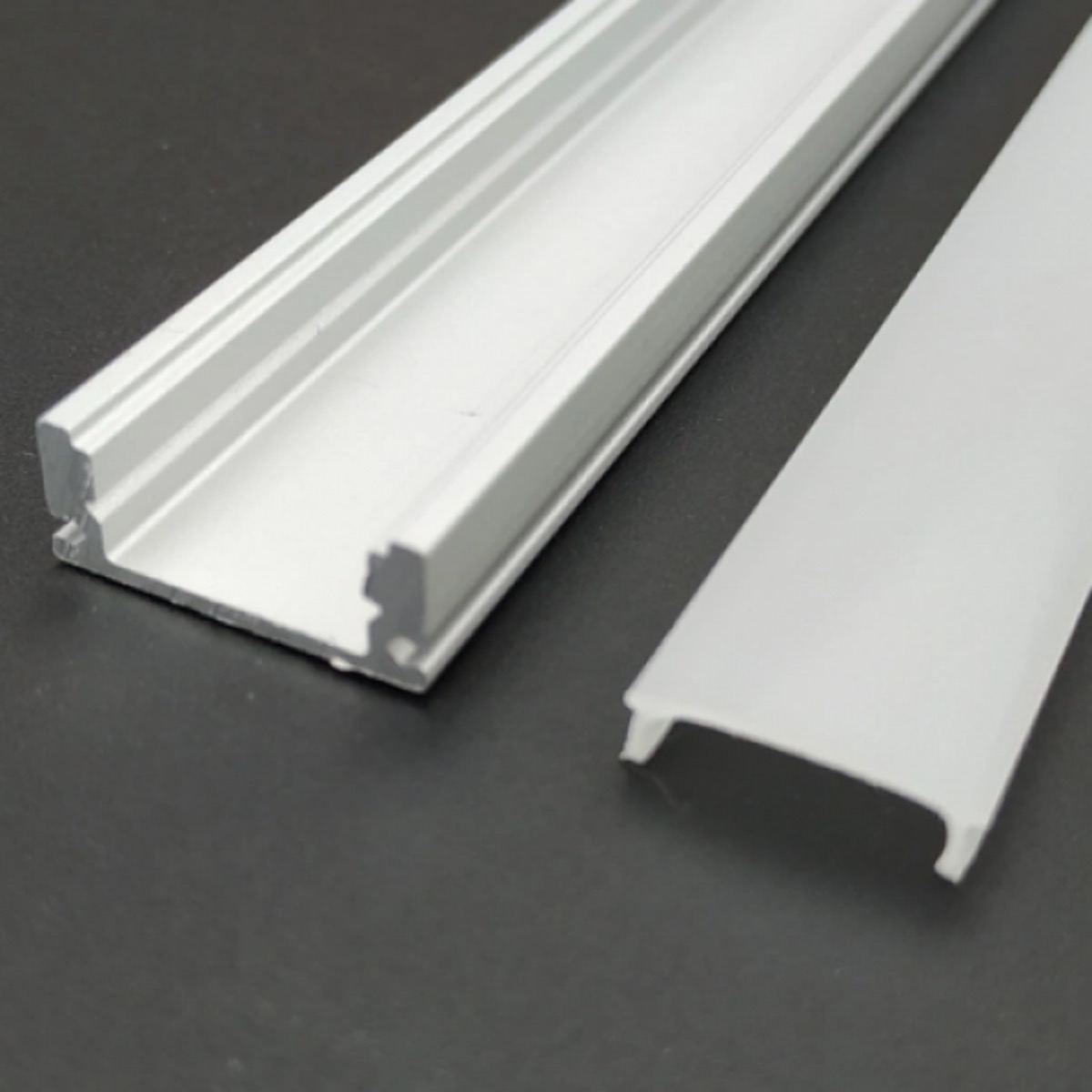
An LED aluminum profile is a specially designed aluminum extrusion used as a mounting channel for LED strip lights. It normally consists of an aluminum body, a diffuser cover, end caps, mounting clips, and sometimes suspension accessories or connectors. The LED strip is placed inside the aluminum channel, while the diffuser helps spread light more evenly and reduces direct glare.
The aluminum body performs two major roles. First, it provides mechanical protection for the LED strip against impact, dust, moisture, bending, and accidental contact. Second, it works as a heat sink. Since LEDs generate heat during operation, the aluminum profile absorbs and transfers heat away from the LED strip, helping the system maintain stable performance over time.
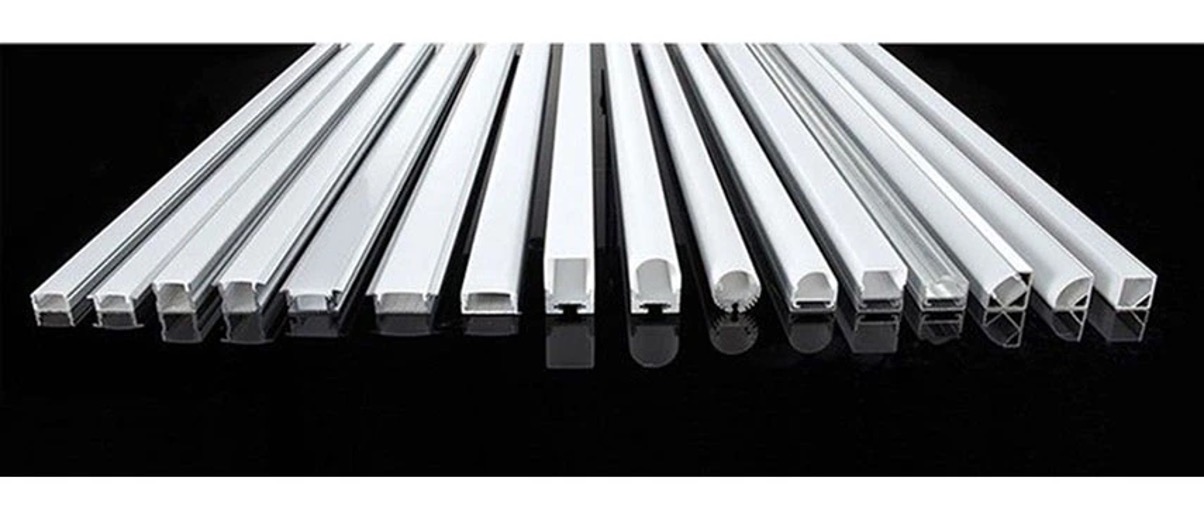
In practical applications, LED aluminum profiles are available in many shapes and installation types, such as surface-mounted profiles, recessed profiles, corner profiles, suspended profiles, wall-washing profiles, round profiles, bendable profiles, and waterproof profiles. Each type is designed for a specific lighting effect, installation environment, and project requirement.
Aluminum is widely used for LED profiles because it combines light weight, corrosion resistance, high formability, attractive appearance, and excellent thermal conductivity. Common aluminum alloys used in extrusion, such as 6063, are suitable for producing complex profiles with smooth surfaces and tight dimensional tolerances. This makes aluminum ideal for architectural lighting products where both function and appearance matter.
Thermal performance is especially important. Many LED strips operate at power levels of 9.6W, 14.4W, 18W, or even above 20W per meter. Without a proper heat-dissipating structure, the strip temperature may rise quickly, causing lumen depreciation, color shift, adhesive failure, and reduced lifespan. Aluminum helps move heat away from the LED chips more effectively than plastic or thin decorative covers.
Aluminum is also highly suitable for surface treatments. LED aluminum profiles can be anodized, powder-coated, brushed, polished, or customized in different colors. Silver anodized, black anodized, white powder-coated, and champagne finishes are commonly used in architectural projects. These finishes improve corrosion resistance and help the profile match interior design or building materials.
The most important technical function of an LED aluminum profile is heat dissipation. LED lights are more energy-efficient than traditional lighting, but they still convert part of the electrical energy into heat. If this heat remains trapped around the LED chips, the junction temperature increases, which can reduce luminous efficiency and shorten the working life of the LED strip.
When an LED strip is installed inside an aluminum profile, the back of the strip transfers heat to the aluminum surface through adhesive tape or thermal tape. The aluminum body then spreads the heat across a larger surface area and releases it into the surrounding air. A thicker or wider profile generally provides better heat dissipation because it has more aluminum mass and a larger exposed surface.
For high-power LED strips used in commercial lighting or continuous operation, proper profile selection is critical. A narrow decorative channel may be suitable for low-power accent lighting, but it may not be enough for a high-density LED strip running many hours per day. Professional projects should evaluate LED wattage, operating hours, ambient temperature, ventilation, and profile size before final selection.
The diffuser cover is another key component of an LED aluminum profile. It is usually made from polycarbonate or acrylic and comes in clear, frosted, opal, or milky finishes. A clear diffuser allows maximum light output but may still show visible LED dots. A frosted or opal diffuser reduces glare and creates a softer, more uniform lighting effect.
Glare control is important in retail, hospitality, office, residential, and display lighting. Direct exposure to LED chips can make the light uncomfortable, especially when installed under cabinets, along staircases, in shelves, or at eye level. By using a suitable diffuser, the lighting system becomes visually smoother and more professional.
The final light effect depends on several factors, including LED strip density, distance between the LED chips and diffuser, diffuser material, profile depth, and beam angle. Deeper profiles usually create better dot-free illumination because they provide more distance for light mixing. For premium projects, buyers should match the profile depth with LED strip density to achieve the required visual result.
LED strips installed directly on wood, plaster, glass, or metal surfaces may be exposed to dust, scratches, moisture, and physical damage. Adhesive tape may also weaken over time, especially in warm environments. LED aluminum profiles solve these problems by providing a stable housing structure and a clean mounting base.
The profile keeps the LED strip straight, prevents sagging, and protects it from accidental contact. End caps close the profile ends, while mounting clips or screws keep the profile fixed to the installation surface. For suspended or architectural lighting systems, additional accessories such as wires, brackets, and connectors may be used.
This mechanical protection is particularly valuable in export and large-scale construction projects where installation consistency matters. When hundreds or thousands of meters of LED lighting are installed across a building, standardized aluminum profiles help contractors achieve uniform appearance, faster installation, and easier maintenance.
Surface-mounted LED aluminum profiles are installed directly on a visible surface using screws, clips, or adhesive. They are one of the most common types because they are easy to install and suitable for cabinets, shelves, ceilings, walls, display counters, wardrobes, and furniture lighting.
This type is ideal when the installation surface cannot be cut or recessed. It is also suitable for renovation projects where contractors need to add lighting without major structural changes. Surface-mounted profiles are available in slim, medium, and wide sizes depending on the LED strip width and desired lighting effect.
For export buyers, surface-mounted profiles are often attractive because they are versatile and easy to stock. Distributors can offer them to many customer groups, from electrical installers to furniture manufacturers and retail lighting contractors.
Recessed LED aluminum profiles are designed to be embedded into a groove or channel in a wall, ceiling, cabinet, floor, or furniture panel. After installation, only the diffuser surface is visible, creating a clean and integrated lighting effect.
This type is commonly used in premium interior design, hotel projects, luxury retail stores, stair lighting, gypsum ceiling systems, and custom furniture. Recessed profiles require more precise installation because the groove size must match the profile dimensions. However, the final appearance is often more elegant and architectural than surface-mounted lighting.
Recessed profiles may also include flanges on both sides to cover cutting edges and improve finish quality. When used correctly, they help create continuous linear lighting that blends seamlessly with the surrounding material.
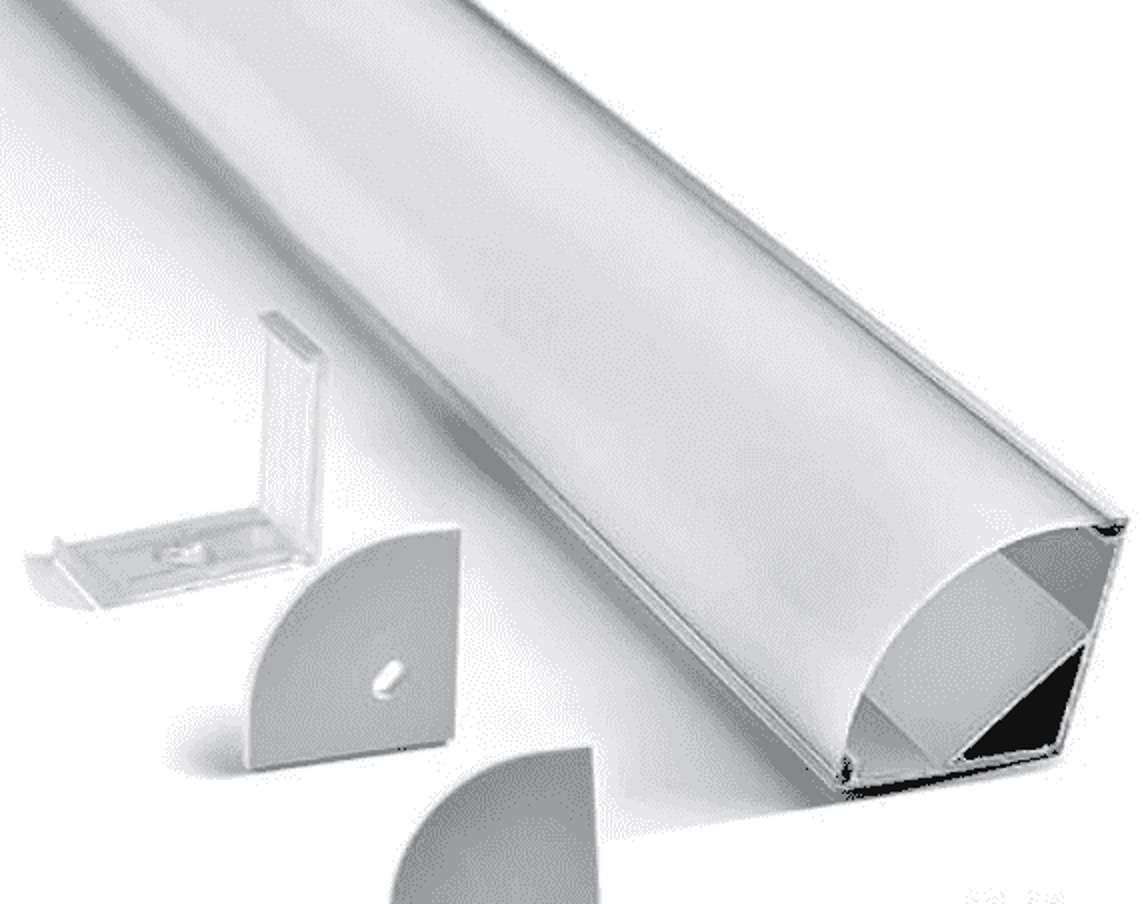
Corner LED aluminum profiles are designed for 45-degree or angled installation. They are commonly used under kitchen cabinets, inside wardrobes, in display shelves, along wall corners, and in areas where light needs to be directed diagonally.
The angled structure helps distribute light more effectively toward the working area or display surface. For example, under-cabinet kitchen lighting often benefits from a 45-degree profile because it directs light toward the countertop rather than straight down or outward.
Corner profiles are practical for both functional and decorative lighting. They improve visibility, reduce shadow, and enhance the appearance of interior spaces. For distributors, corner profiles are a valuable category because they solve common lighting design problems in residential and commercial projects.
Suspended LED aluminum profiles are used to create linear pendant lighting systems. They are usually hung from ceilings using suspension wires and are suitable for offices, conference rooms, retail spaces, studios, showrooms, and modern residential interiors.
Compared with small LED strip channels, suspended profiles are often larger and more robust. They may support wider LED boards, multiple LED strips, or integrated linear lighting modules. Some designs provide upward and downward lighting to improve ambient illumination.
Suspended profiles require careful consideration of profile strength, heat dissipation, diffuser quality, and accessory compatibility. In professional export projects, dimensional accuracy and surface finish consistency are essential because the products are highly visible in the final space.
Waterproof LED aluminum profiles are used in environments where moisture, splashing water, or outdoor exposure may occur. They are commonly applied in bathrooms, kitchens, garden lighting, façade lighting, signage, marine interiors, and semi-outdoor areas.
A waterproof profile may include sealing gaskets, silicone protection, special end caps, or a covered structure to reduce water ingress. However, the waterproof performance depends not only on the aluminum profile but also on the LED strip rating, diffuser sealing, end-cap treatment, cable exit, and installation method.
Buyers should always match waterproof profiles with the required IP rating of the project. For outdoor or high-humidity use, corrosion-resistant surface treatment and proper drainage design are also important to ensure long-term performance.
Most LED aluminum profiles are made from extruded aluminum alloys such as 6063. This alloy is widely used in architectural extrusion because it offers good extrudability, smooth surface quality, corrosion resistance, and adequate mechanical strength. It is suitable for producing slim channels, complex cross-sections, and decorative lighting profiles.
Aluminum profiles may be supplied in different tempers, such as T5 or T6, depending on strength and processing requirements. For LED lighting applications, dimensional precision, surface quality, straightness, and thermal performance are often more important than extremely high mechanical strength.
For large export orders, consistent alloy composition is essential. Poor-quality aluminum may cause surface defects, color inconsistency after anodizing, poor extrusion accuracy, or reduced corrosion resistance. This is why professional sourcing should focus on stable material supply and strict quality control.
LED aluminum profiles come in many widths, heights, and lengths. Common internal widths are designed to fit LED strips of 8mm, 10mm, 12mm, or wider. Standard profile lengths are often 1 meter, 2 meters, 2.5 meters, or 3 meters, depending on market preference and shipping requirements.
Profile depth affects both lighting quality and heat dissipation. A shallow profile is compact and easy to hide, but it may show visible light dots when used with low-density LED strips. A deeper profile improves light mixing and creates a smoother linear lighting effect. Wider profiles provide more heat dissipation and can support higher-power LED strips.
For project procurement, buyers should confirm the LED strip width, PCB thickness, diffuser type, installation gap, cutting tolerance, and packaging length. These details help avoid mismatch during installation and reduce project delays.
Surface finishing improves both appearance and durability. The most common finish for LED aluminum profiles is anodizing. Anodized aluminum provides a clean metallic look and better corrosion resistance. Silver anodized profiles are widely used because they match many modern interiors and are cost-effective for large-volume supply.
Powder coating is another popular option. White and black powder-coated profiles are often used in architectural and interior design projects where color matching is important. Powder coating can also provide stronger decorative flexibility for customized applications.
For export projects, surface finish consistency is a key quality factor. Color variation between batches may create visible differences after installation. Stavian Industrial Metal understands that international buyers need not only competitive material supply but also stable appearance, packaging, documentation, and delivery control.
One of the biggest benefits of an LED aluminum profile is longer LED strip lifespan. Heat is one of the main causes of LED degradation. When LED chips operate at high temperature for long periods, brightness gradually decreases and color performance may change. A suitable aluminum profile helps control operating temperature and protects the LED strip from early failure.
Many LED strip suppliers estimate product lifespan under controlled thermal conditions. In real projects, however, poor ventilation, high ambient temperature, enclosed furniture, and direct mounting on insulating surfaces can make the LED strip run hotter than expected. Aluminum profiles reduce this risk by acting as a passive heat sink.
For commercial spaces such as hotels, shopping centers, offices, and retail chains, longer LED lifespan means lower maintenance costs. Replacing failed LED strips inside built-in furniture, ceilings, or display systems can be expensive and disruptive. A proper aluminum profile helps reduce these maintenance risks.
LED aluminum profiles improve the visual quality of LED strip lighting. Instead of exposed LED dots and uneven lines, the profile and diffuser create a more refined, professional, and architectural look. This is especially important in premium spaces where lighting is part of the design identity.
Diffused linear lighting can enhance product displays, highlight architectural details, guide movement along stairs or corridors, and create comfortable ambient lighting. In modern interiors, hidden and linear lighting is often used to make spaces feel cleaner, larger, and more sophisticated.
The profile also ensures that LED strips remain straight. Without a profile, flexible LED strips may bend slightly during installation, creating an uneven light line. Aluminum channels provide a rigid guide that improves alignment and final appearance.
LED aluminum profiles also improve safety by protecting electrical components. Although low-voltage LED strips are generally safe, exposed circuits can still be damaged by dust, moisture, tools, cleaning activities, or accidental contact. The profile and diffuser create a protective barrier.
In public spaces, hotels, shops, and commercial buildings, exposed LED strips may not meet the expected standard of professional installation. Aluminum profiles help create a more secure and organized lighting system. They also reduce the risk of adhesive failure, loose strips, and exposed wiring.
For industrial buyers and contractors, safety is not only about product function. It also affects acceptance by project owners, consultants, and inspectors. A well-installed LED aluminum profile system looks more professional and supports better long-term reliability.
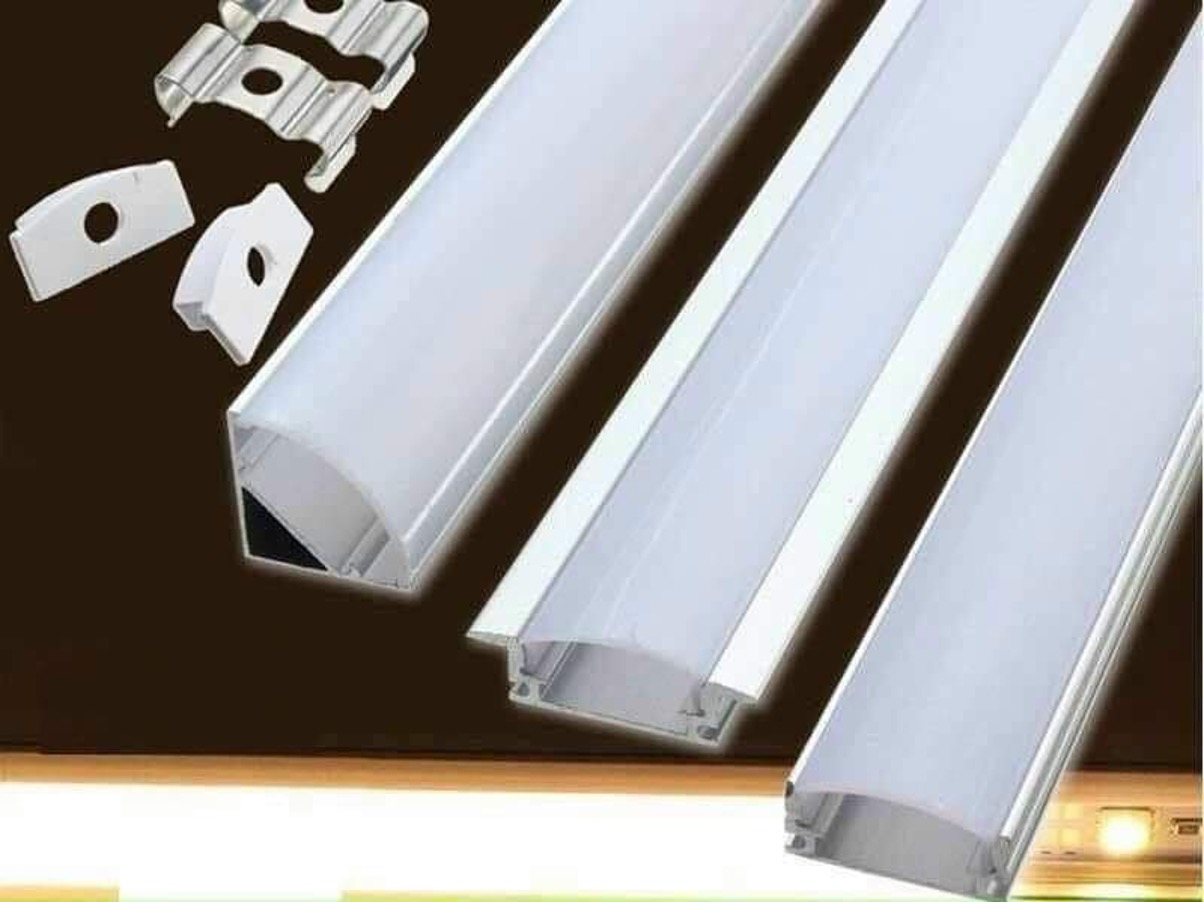
In residential projects, LED aluminum profiles are used for kitchen cabinets, wardrobes, shelves, staircases, ceiling coves, bathroom mirrors, headboards, and decorative wall panels. They help homeowners achieve soft, modern, and energy-efficient lighting without bulky fixtures.
Under-cabinet lighting is one of the most common residential applications. A slim aluminum profile protects the LED strip from steam, grease, and cleaning contact while directing light onto the countertop. Wardrobe and shelf lighting also benefit from profiles because they create neat lines and protect the LED strip from physical contact.
For premium apartments and villas, recessed LED profiles are often used to create hidden linear lighting in ceilings, walls, and furniture. This gives the space a clean architectural feel and improves comfort without relying only on direct ceiling lights.
Retail stores use LED aluminum profiles to highlight products, shelves, counters, signage, and display walls. Good lighting can influence customer experience and product visibility. A profile with the right diffuser helps create consistent illumination and reduces distracting glare.
In supermarkets, showrooms, jewelry stores, fashion shops, and electronics stores, linear LED lighting is commonly installed in display systems. Aluminum profiles help maintain the correct position of LED strips and protect them from frequent customer and staff activity.
Commercial buyers often require large quantities, consistent quality, and repeatable specifications. For this reason, LED aluminum profiles used in retail chains must have stable dimensions, reliable packaging, and uniform surface finishing. Stavian Industrial Metal supports buyers who require export-oriented metal supply with attention to product consistency and international business requirements.
Hotels, restaurants, resorts, and entertainment venues use LED aluminum profiles for atmosphere, wayfinding, decoration, and functional lighting. Linear lighting can be installed in ceilings, corridors, reception desks, bars, guest rooms, bathrooms, and outdoor landscape areas.
Hospitality projects require durable products because lighting systems often operate for long hours every day. Heat dissipation, finish quality, easy maintenance, and visual comfort are all important. A low-quality profile may discolor, deform, or fail to protect the LED strip effectively.
Architectural lighting projects also require customized solutions. Designers may need specific profile shapes, lengths, colors, beam effects, or mounting systems. Aluminum extrusion technology makes such customization possible, especially when supported by a supplier with strong metal sourcing and export coordination capability.
LED aluminum profiles are increasingly used in industrial facilities, warehouses, production lines, machine lighting, control cabinets, and technical workstations. In these environments, lighting must be reliable, easy to install, and resistant to dust or mechanical contact.
For export projects, buyers often evaluate LED aluminum profiles based on technical drawings, alloy grade, surface treatment, tolerances, packaging method, loading efficiency, and delivery schedule. Even small dimensional errors can create installation problems when profiles are used with specific LED strips or accessories.
Stavian Industrial Metal approaches LED aluminum profiles as part of a broader industrial metal supply chain. This means paying attention not only to the product itself but also to procurement reliability, documentation, logistics, and long-term supply stability for international customers.
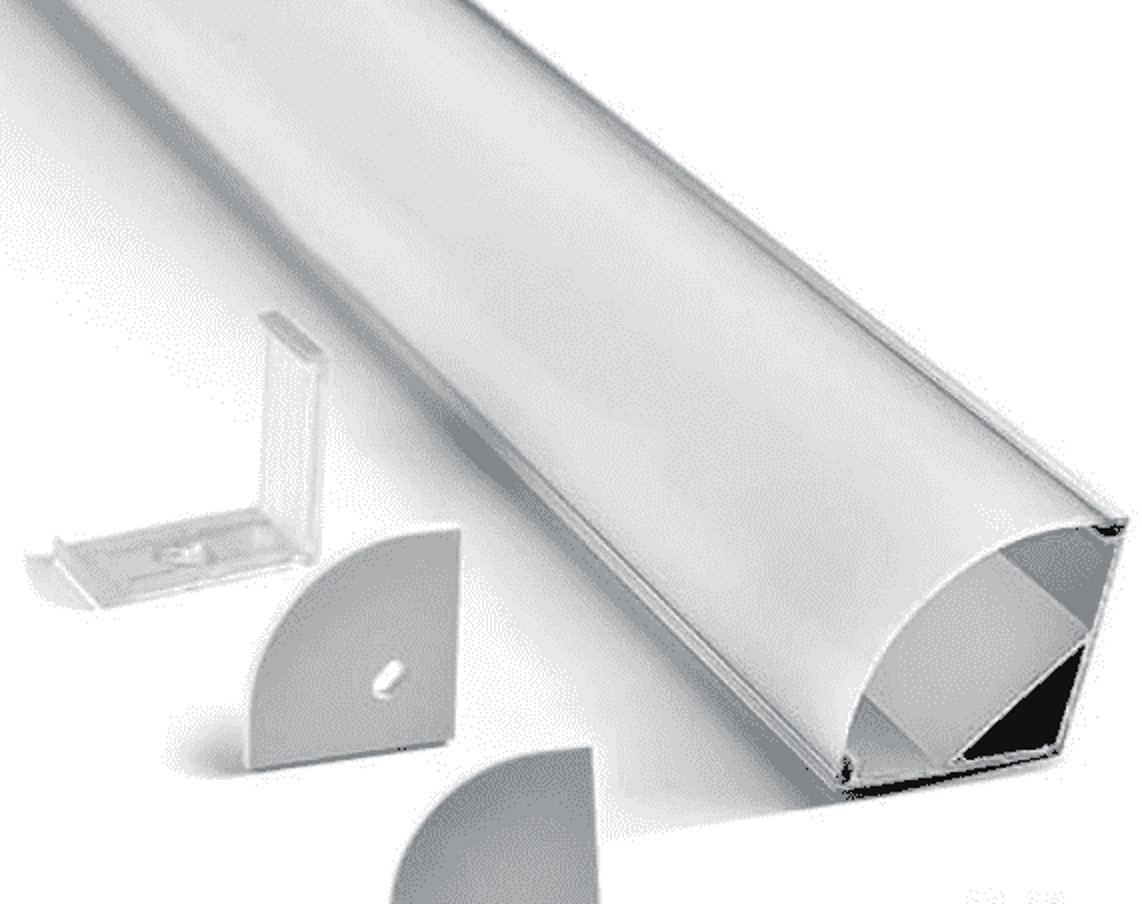
Dimensional accuracy is critical for LED aluminum profiles. The profile must fit the LED strip, diffuser, end caps, clips, and installation groove. Inconsistent dimensions can cause loose diffusers, difficult assembly, visible gaps, or profile deformation.
Professional buyers should request drawings with key dimensions, tolerances, wall thickness, and accessory compatibility. For recessed profiles, accurate external dimensions are especially important because the profile must fit into a prepared slot.
In export supply, dimensional consistency across batches helps reduce complaints and installation delays. Stavian Industrial Metal understands that international buyers need dependable specifications and clear communication throughout the procurement process.
Surface quality affects both appearance and corrosion resistance. Common defects include scratches, extrusion lines, dents, color variation, powder coating defects, and anodizing inconsistency. These issues are especially visible in architectural lighting because profiles are often installed in premium interior spaces.
Buyers should define acceptable surface standards before ordering. For visible applications, stricter surface inspection is necessary. For hidden installations, functional quality may be more important than decorative perfection.
Packaging also affects surface quality. Aluminum profiles can be scratched during transportation if they are not properly wrapped, separated, and packed. Export packaging should protect long profiles during handling, container loading, and international shipping.
An LED aluminum profile system is not complete without accessories. Diffusers, end caps, mounting clips, screws, connectors, suspension kits, and sealing parts must fit correctly. A high-quality profile body with poor accessories can still create installation problems.
End caps should close the profile cleanly and allow proper cable exit when needed. Mounting clips should hold the profile firmly without deformation. Diffusers should snap in smoothly and remain secure after installation.
For distributors, accessory availability is important for after-sales support. Customers often need replacement diffusers, clips, or end caps. A stable supply of matching accessories improves customer satisfaction and reduces operational issues.
Stavian Industrial Metal is positioned as an industrial metal supplier serving international markets with a focus on metal materials and solutions for manufacturing, construction, infrastructure, and industrial applications. With experience in the metal supply chain, Stavian Industrial Metal understands the requirements of buyers who need consistent product quality, competitive sourcing, export documentation, and reliable delivery coordination.
In the LED aluminum profile sector, customers are not only buying a piece of extruded aluminum. They are buying dimensional accuracy, surface finish stability, alloy reliability, packaging quality, and supply continuity. Stavian Industrial Metal approaches this product category with the mindset of an export-focused metal partner.
For lighting distributors, contractors, and OEM customers, this is important because project schedules depend on predictable supply. Delayed or inconsistent profiles can affect LED assembly, construction timelines, and final installation quality.
Stavian Industrial Metal can support buyers with LED aluminum profile solutions for different lighting applications, including surface-mounted profiles, recessed profiles, corner profiles, suspended profiles, and customized aluminum extrusion products. Depending on project requirements, profiles can be supplied with suitable finishes such as anodized aluminum, powder-coated surfaces, or other customized treatments.
Products may be used for cabinet lighting, furniture lighting, commercial linear lighting, architectural lighting, retail display lighting, and industrial LED installation systems. Stavian Industrial Metal focuses on practical product performance, including heat dissipation, installation compatibility, clean appearance, and export-ready packaging.
For customers with specific technical needs, Stavian Industrial Metal can work with profile drawings, dimensional requirements, packaging standards, and project-based specifications. This is especially useful for OEM buyers, lighting brands, distributors, and construction material importers that require repeatable quality across multiple shipments.
International LED aluminum profile procurement involves more than unit price. Buyers must consider alloy quality, extrusion capability, surface treatment consistency, accessory matching, packaging, documentation, shipment planning, and long-term availability. An export-oriented supplier helps reduce sourcing risk and improves supply chain efficiency.
For importers and distributors, stable supply is essential. If a customer sells a specific profile model in the local market, they need to reorder the same product with the same dimensions and compatible accessories. Unstable sourcing can lead to mismatched inventory and customer complaints.
Stavian Industrial Metal brings a metal-industry perspective to LED aluminum profiles. This is valuable for buyers who want to develop reliable product lines, support project tenders, and maintain quality consistency in competitive markets.
| Criteria | LED Strip Installed Directly | LED Strip with Aluminum Profile |
| Heat Dissipation | Limited, depends on mounting surface | Better heat transfer through aluminum body |
| Appearance | Visible LED dots and uneven lines | Cleaner linear lighting with diffuser |
| Protection | Exposed to dust, touch, and impact | Protected by channel and cover |
| Installation Stability | Adhesive may weaken over time | Secured by clips, screws, or recessed mounting |
| Maintenance | May require frequent repair | Easier to manage and replace systematically |
Direct LED strip installation may be acceptable for temporary, low-cost, or hidden applications. However, it is usually not the best option for professional projects where durability, appearance, and safety matter. Aluminum profiles provide a more complete lighting system.
In commercial and architectural projects, the cost of LED aluminum profiles is often small compared with the total project value, but the benefit is significant. Better heat management, better appearance, and lower maintenance risk can improve the overall return on investment.
An aluminum profile is strongly recommended when the LED strip is high-power, visible, installed in furniture, used in commercial spaces, operated for long hours, or exposed to dust and contact. It is also necessary when the project requires a premium linear lighting effect.
For recessed lighting, cabinet lighting, stair lighting, retail displays, and hotel interiors, using LED strips without profiles may result in poor visual quality and shorter service life. The profile helps transform a simple LED strip into a professional lighting product.
For buyers asking What is Led Aluminum profile, the practical answer is clear: it is the structural, thermal, and visual foundation that allows LED strip lighting to perform reliably in real projects.
What is Led Aluminum profile can be answered simply: it is an extruded aluminum channel designed to house LED strip lights, improve heat dissipation, protect the strip, control glare, and create a professional linear lighting effect. However, in real applications, its value goes far beyond basic installation. It directly affects LED lifespan, lighting appearance, safety, maintenance cost, and project quality.
LED aluminum profiles are used across residential, commercial, hospitality, architectural, retail, industrial, and export markets. The right profile should be selected based on LED strip width, wattage, installation method, diffuser type, surface finish, and environmental conditions. Buyers should also evaluate dimensional accuracy, surface quality, accessory compatibility, packaging, and supply reliability.
Stavian Industrial Metal provides LED aluminum profile solutions with an export-oriented approach, supporting customers who need dependable aluminum products for lighting, construction, and industrial applications. By combining material knowledge, product coordination, and international supply capability, Stavian Industrial Metal helps buyers source LED aluminum profiles that meet both technical and commercial requirements.
For any project that requires clean, durable, and efficient LED strip lighting, LED aluminum profiles are not optional accessories. They are essential components that turn flexible LED strips into reliable, attractive, and professional lighting systems.
Read more
Address
Website: https://stavianmetal.com
Email: info@stavianmetal.com