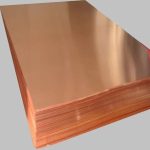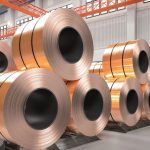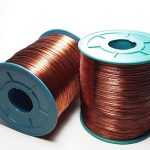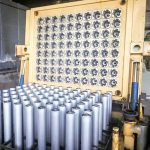
As a leading industrial metal processor, Stavian Industrial Metal delivers high-quality, sustainable solutions tailored to the evolving demands of modern manufacturing. With advanced technology, rigorous quality control, and a commitment to innovation, we support industries ranging from automotive to construction. Our strategic sourcing and streamlined logistics ensure reliable supply chains, while our customer-centric approach guarantees value-driven partnerships for long-term success.
An industrial metal processor plays a pivotal role in the global supply chain, particularly within sectors such as automotive, construction, energy, and electronics. These processors are responsible for transforming raw metal materials into forms that can be directly utilized by manufacturers. This transformation process involves several complex procedures including cutting, bending, annealing, coating, and alloying — all of which require advanced equipment and expert knowledge.
At the core of this industry is precision. Industrial metal processors must ensure that all outputs meet stringent dimensional and mechanical specifications. Any deviation can result in compromised structural integrity or production delays for end-users. As such, modern metal processors invest heavily in quality control systems and standardized procedures to maintain reliability and consistency.
Beyond simply preparing materials, processors are integral in helping manufacturers meet sustainability goals. By optimizing metal yields, recycling scrap, and adopting environmentally conscious production methods, industrial metal processors contribute to greener industrial practices and more efficient resource use.
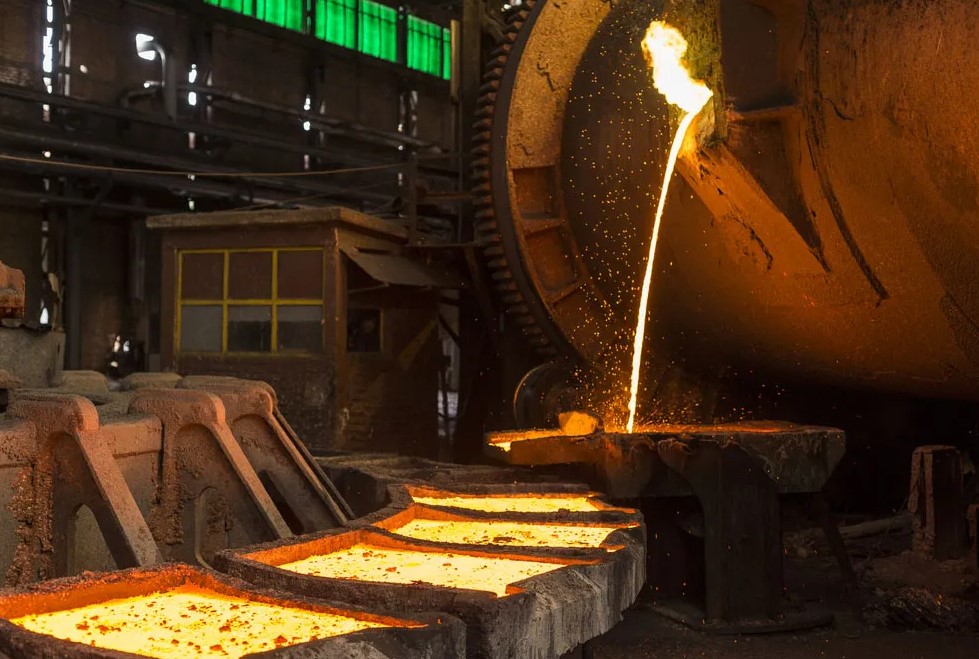
The capabilities of a reputable industrial metal processor extend beyond basic metal cutting or forming. These companies provide a broad suite of services that add value at every stage of the metal supply chain. Understanding these services can help manufacturers choose the right partners for their operational needs.
Customization is critical for sectors like aerospace or medical devices, where precision and specification alignment are non-negotiable. Industrial metal processors offer:
These custom solutions are essential for accelerating product development cycles and ensuring compatibility with downstream production systems.
Corrosion resistance and material durability are major concerns in industrial applications. Surface treatments offered by processors can significantly enhance the performance of base metals. These may include:
These finishing services ensure the final product performs optimally in challenging environments and aligns with industry standards.
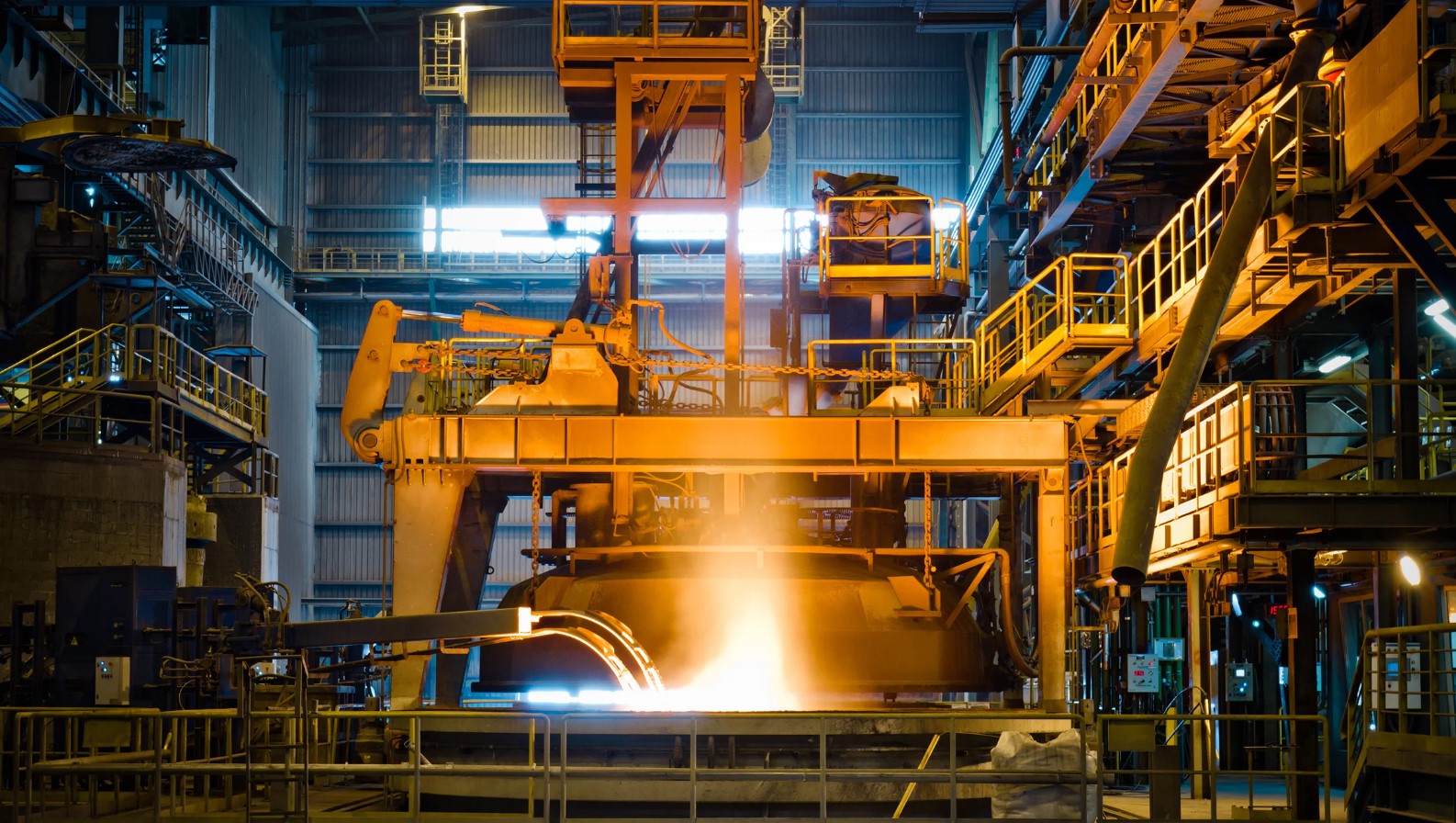
An often-overlooked aspect of industrial metal processing is the sourcing of raw materials. The reliability and quality of input metals directly affect the final product’s performance. As a result, an experienced industrial metal processor places great emphasis on strategic procurement practices.
Working with global and regional metal producers, processors secure materials that meet technical requirements and regulatory standards. This includes sourcing:
Efficient inventory management is another cornerstone of processing operations. Maintaining optimal stock levels reduces lead times, mitigates supply chain disruptions, and enables just-in-time manufacturing models. Leading processors implement ERP and IoT systems to gain real-time visibility into inventory levels, production scheduling, and customer orders.
The metal processing industry has undergone significant transformation with the adoption of new technologies. To stay competitive, an industrial metal processor must integrate digital tools and automation into its operations. This shift not only improves productivity but also enhances accuracy and reduces material waste.
Robotic arms, automated feeding systems, and computer-aided controls are now standard in advanced processing plants. These technologies support:
By incorporating robotics, processors can meet the high demands of sectors like automotive manufacturing and construction infrastructure.
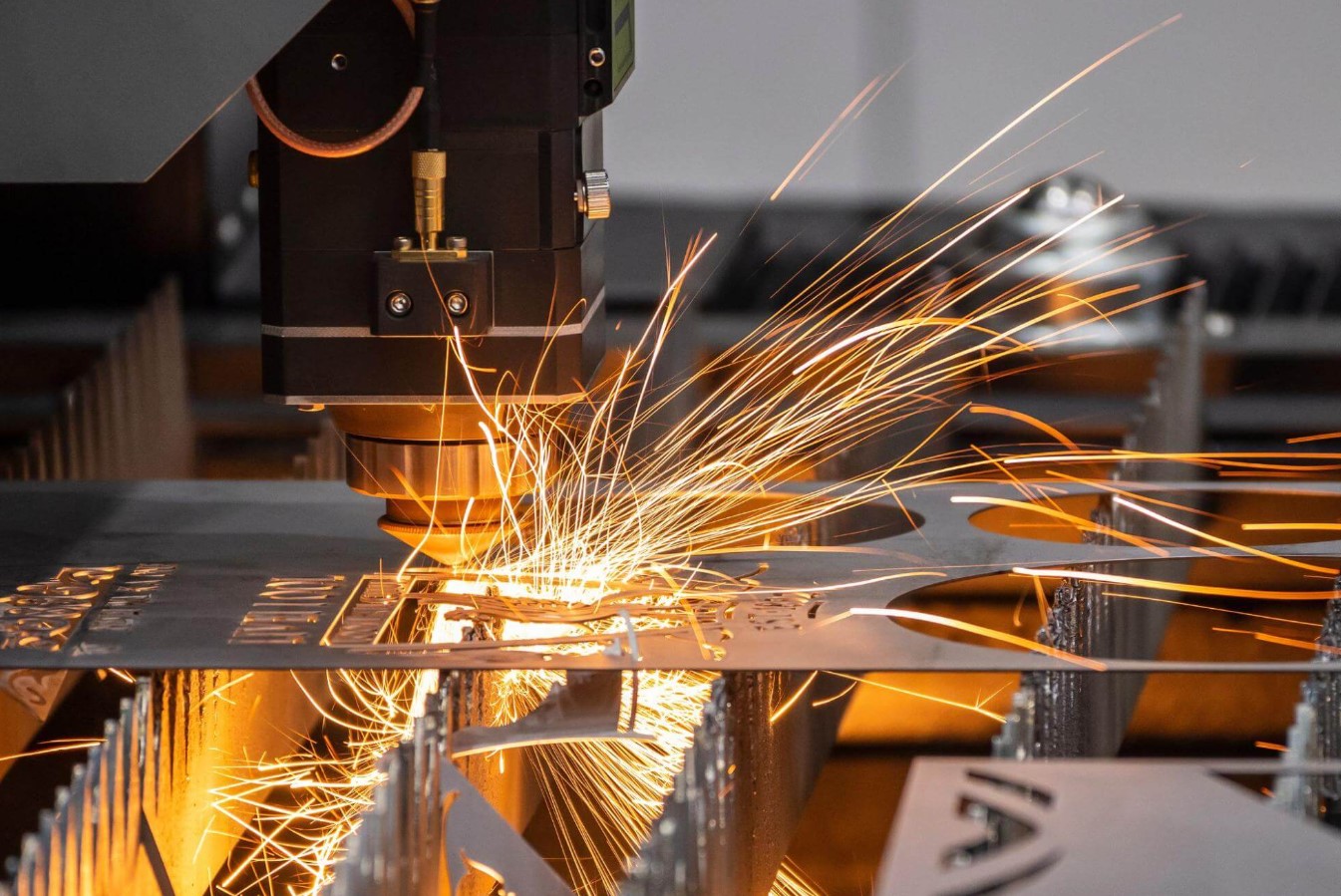
Industry 4.0 technologies are also revolutionizing metal processing. Smart sensors and connected machinery allow for real-time monitoring of production metrics, enabling predictive maintenance and process optimization. Data analytics plays a key role in:
These innovations position processors to be more agile and responsive in a volatile industrial landscape.
Customers in regulated industries demand strict adherence to international standards. A credible industrial metal processor must demonstrate its commitment to compliance through certifications and quality assurance systems.
Common certifications include:
Internal quality control measures involve detailed inspections at each processing stage, including tensile testing, metallographic analysis, and surface roughness evaluation. These practices ensure that only compliant, high-quality products reach the customer.
In today’s industrial environment, sustainability is no longer optional—it is a business imperative. An industrial metal processor like Stavian Industrial Metal is committed to integrating environmental responsibility into every stage of our operations. This includes the efficient use of raw materials, minimizing waste, reducing emissions, and implementing green technologies wherever possible.
Metal recycling is a core pillar of sustainable processing. By reclaiming and reprocessing scrap metal, processors not only conserve natural resources but also reduce energy consumption and carbon output. Recycling aluminum, for example, uses up to 95% less energy than producing it from raw ore.
Moreover, many processors invest in closed-loop water systems, renewable energy sources, and eco-friendly chemical alternatives in treatment processes. Sustainable practices are reinforced by environmental management systems aligned with ISO 14001 standards. These measures ensure compliance with global regulations while positioning the company as a responsible partner in the industrial supply chain.
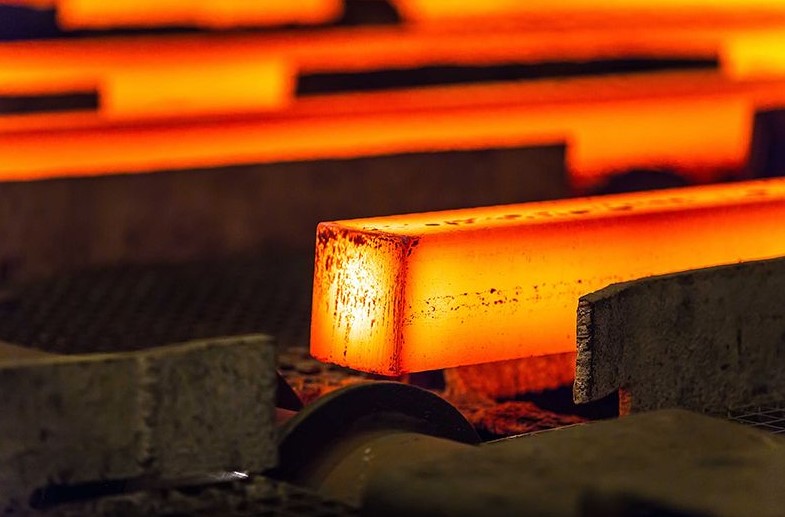
The global manufacturing landscape is increasingly affected by market volatility, geopolitical uncertainty, and logistical disruptions. A strategic industrial metal processor plays a vital role in stabilizing the supply chain by providing consistent material availability, processing flexibility, and responsive service.
One of the key ways processors support supply chain resilience is through localized operations. By establishing regional processing hubs closer to end-users, they help reduce transportation costs and lead times. This also allows for more agile responses to sudden shifts in demand or urgent production schedules.
In addition, real-time inventory tracking systems, vendor-managed inventory (VMI), and integrated supply programs further strengthen reliability. Processors like Stavian Industrial Metal actively collaborate with OEMs and tier-one suppliers to forecast demand, plan capacity, and minimize downtime across the production ecosystem.
Every industry has its unique material requirements, and an experienced industrial metal processor must adapt its offerings accordingly. At Stavian Industrial Metal, we provide tailored metal processing solutions that address the technical, functional, and regulatory demands of different sectors.
In the automotive sector, weight reduction, corrosion resistance, and crashworthiness are top priorities. Metal processors contribute by delivering:
These services support fuel efficiency goals and ensure structural safety standards are met.
For construction applications, strength, longevity, and weather resistance are critical. Metal processors supply:
By ensuring high-quality materials with predictable performance, processors help engineers and builders meet demanding project specifications.
In high-tech and energy markets, processors provide specialty metals such as copper, aluminum, and rare earth alloys. These materials are used in:
Precision and purity are essential in these applications, requiring tight process control and advanced finishing techniques.
Selecting the right industrial metal processor can significantly influence a project’s timeline, cost efficiency, and final product quality. Here are key factors companies should consider when evaluating potential processing partners:
At Stavian Industrial Metal, we combine technical excellence with strategic service to help clients optimize their production and achieve long-term growth.
The industrial metal processing industry is evolving rapidly, shaped by digital transformation, new materials, and shifting customer expectations. To stay competitive, processors must remain agile and forward-looking.
Emerging trends include:
Processors are also becoming more involved in design collaboration, helping manufacturers refine components for manufacturability and cost-efficiency at the concept stage. This trend reflects a shift from being simple material suppliers to strategic development partners.
By embracing innovation and sustainability, an industrial metal processor can provide long-term value that goes far beyond basic metal transformation.
Read more
HDG Steel: Meaning, Applications, Key Features, and Price Update
Expert Metal Processing Service for Industrial Applications
Address
Website: https://stavianmetal.com
Email: info@stavianmetal.com