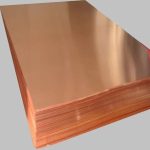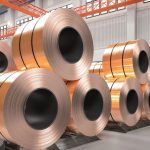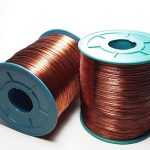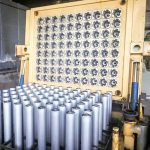
As the demand for advanced materials in electrochemical applications continues to rise, the role of the zinc electrode becomes increasingly significant. Known for its excellent conductivity, corrosion resistance, and cost-effectiveness, the zinc electrode is widely utilized across various industries including energy storage, galvanization, and chemical production. At Stavian Industrial Metal, we prioritize high-purity materials and precise manufacturing standards to ensure our zinc electrodes meet the most stringent industry requirements. Whether for battery technology or industrial plating, our products are designed to deliver consistent performance and durability in even the most demanding environments.
Zinc electrodes play a vital role in various industrial and technological processes. Their performance characteristics such as high energy density, environmental compatibility, and affordability make them highly preferred in applications ranging from batteries to electroplating. In particular, zinc electrodes are commonly found in zinc-carbon batteries, alkaline batteries, and flow batteries, where they act as the anode due to their excellent electrochemical activity.
Industries leveraging zinc electrode technology benefit from its stable voltage profiles and the metal’s natural abundance, which helps to maintain long-term operational cost-effectiveness. Moreover, zinc is relatively safe to handle compared to other metals, making it ideal for both large-scale and consumer-level applications. In industrial manufacturing, the consistency and purity of the zinc used directly affect the performance of the electrode, and this is why at Stavian Industrial Metal, we implement strict quality controls to deliver top-grade zinc electrodes for all customer needs.
Read more: Zinc Slab: Essential Material for Industrial and Alloy Production
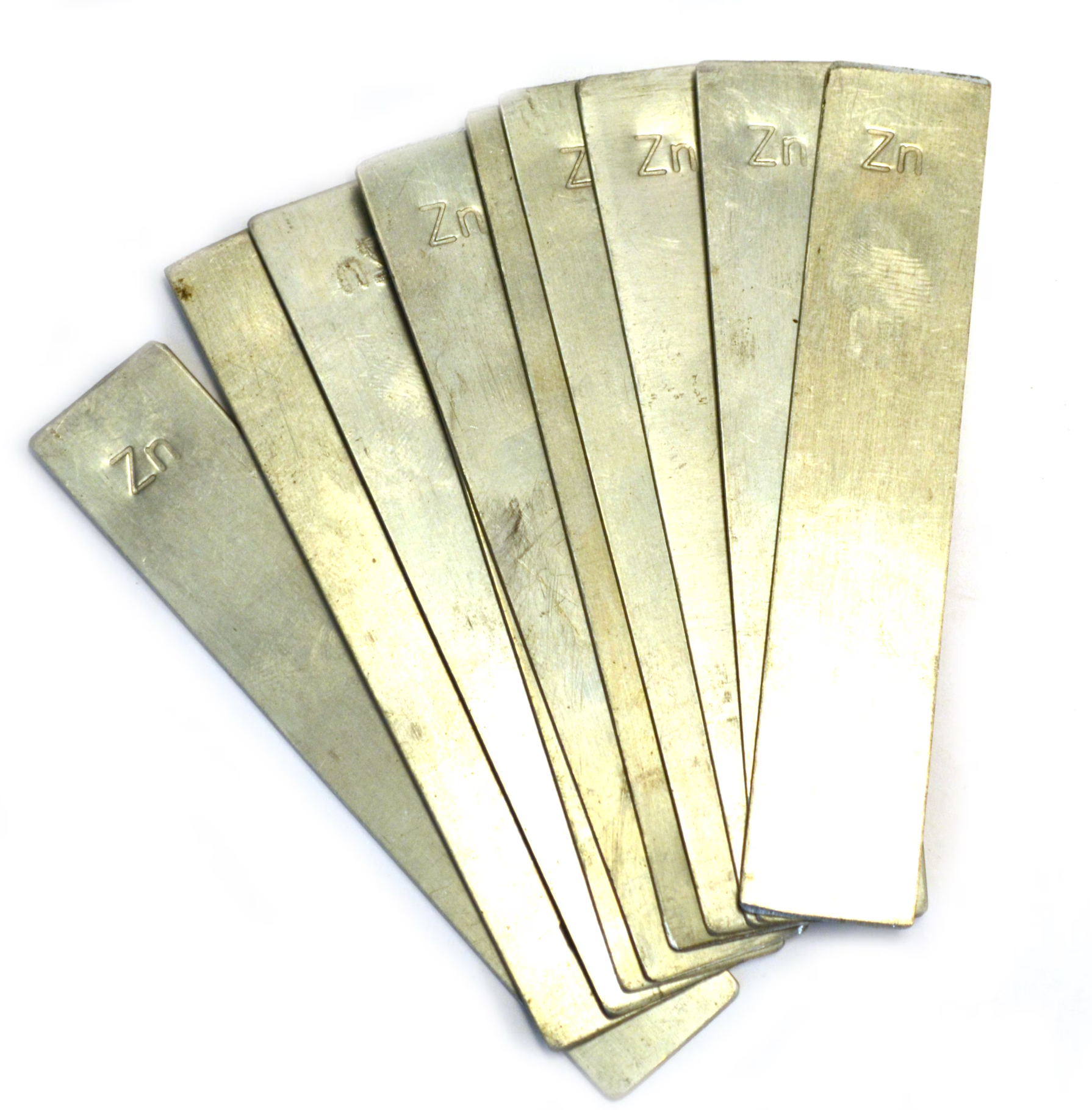
The performance of a zinc electrode is highly dependent on its physical and chemical properties. These properties determine its effectiveness in conducting electricity, resisting corrosion, and maintaining stability during repeated charge and discharge cycles. Below are some of the most critical properties:
Each of these characteristics plays a pivotal role in how the zinc electrode performs within its intended application. Manufacturers like Stavian Industrial Metal focus on optimizing these properties through alloying techniques, surface modifications, and advanced casting methods to deliver electrodes with superior reliability.
One of the most significant applications of zinc electrodes is in energy storage, particularly in rechargeable battery systems. Zinc is widely used in:
In all these systems, zinc’s ability to undergo reversible redox reactions with minimal dendrite formation enhances both battery safety and longevity. This makes it an appealing alternative to lithium-based technologies, especially in applications where cost and environmental impact are major considerations.
Zinc electrodes are also integral in electroplating processes. They are used to coat other metals such as steel or iron to prevent rust and corrosion. This is achieved through:
The zinc electrode’s consistent dissolution properties allow for precise control over plating thickness and uniformity. Industries such as automotive, construction, and marine engineering heavily depend on this application for parts that are exposed to harsh environments.
Read more: Zinc Ingot Uses, Global Market Trends & Industry Outlook
Zinc is gaining attention as a more sustainable alternative in electrochemical systems, especially when compared to rare or hazardous metals. Here are several sustainability advantages of zinc electrodes:
In renewable energy storage and green technology development, these benefits help position zinc as a critical material for next-generation solutions. At Stavian Industrial Metal, we are committed to promoting sustainable development by offering zinc electrodes that support cleaner production cycles.
Despite its many benefits, the zinc electrode is not without challenges. Issues such as shape change, passivation, and hydrogen evolution can impact the long-term performance of zinc-based systems. Here are some common problems and mitigation strategies:
These challenges are an active area of research, with many breakthroughs already improving zinc electrode durability and safety. At Stavian Industrial Metal, we invest in R&D to continuously enhance the material characteristics and manufacturing processes that minimize these issues.
Read more: Zinc for Battery Technology: Key Benefits and Applications
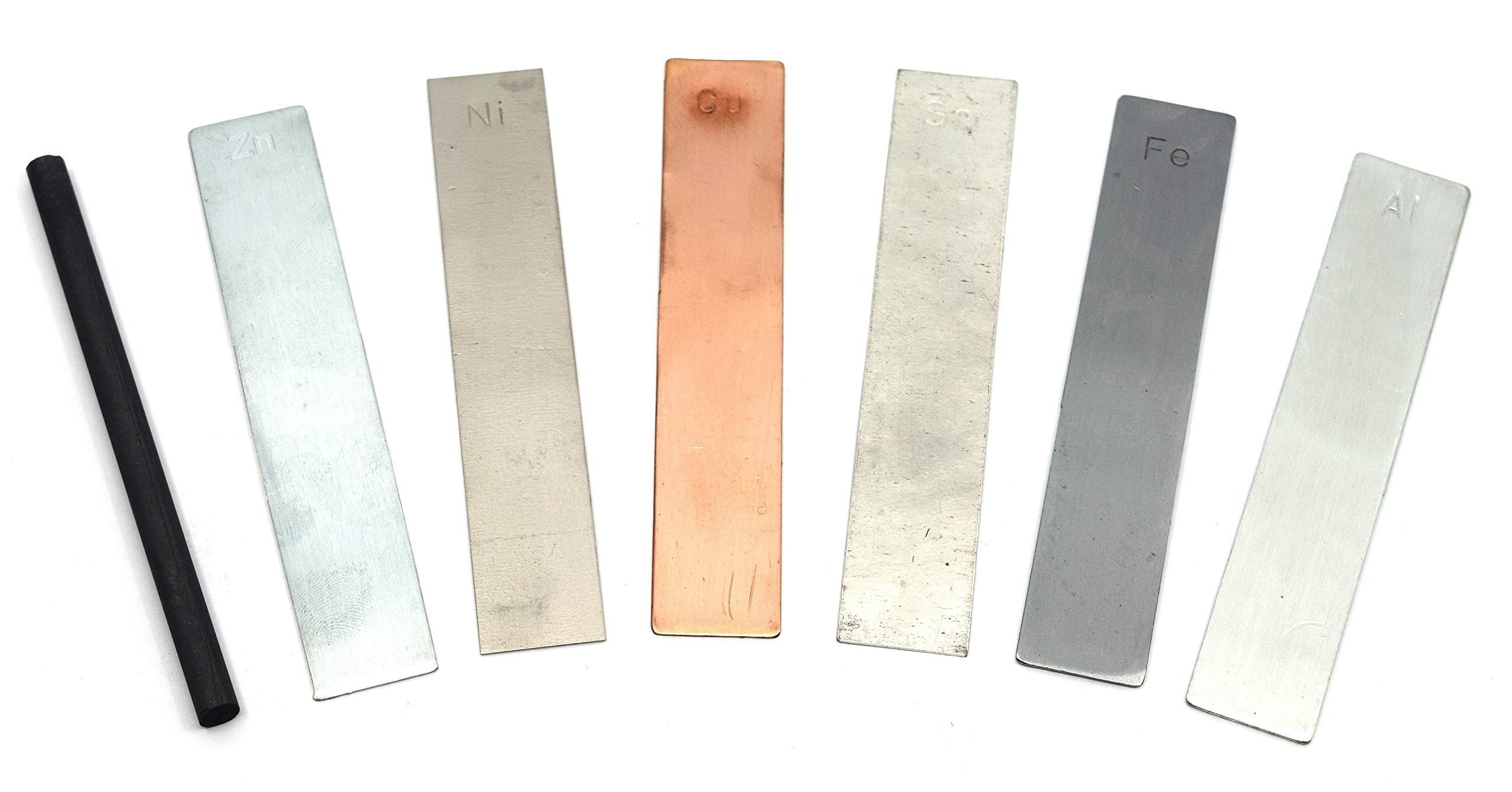
The continuous advancement in materials science has significantly improved the design and functionality of zinc electrodes. Modern zinc electrodes now incorporate enhanced formulations, such as zinc alloys with small amounts of bismuth, calcium, or aluminum, which improve corrosion resistance and reduce shape deformation during usage. These alloyed variants provide better cycle stability, particularly important in high-demand applications such as grid-scale energy storage or electric mobility systems.
Another technological innovation involves surface structuring and coating technologies. By applying porous or nanostructured coatings, researchers have achieved greater surface area and more uniform current distribution. This minimizes issues like dendritic growth and uneven charge/discharge profiles. Some manufacturers also integrate binders or conductive additives into the electrode matrix to ensure mechanical stability and consistent electrical performance throughout its lifespan.
Furthermore, advances in additive manufacturing (such as 3D printing of electrode structures) have opened new doors for customized electrode designs tailored to specific industrial applications. These technologies not only optimize zinc usage but also reduce production waste and enhance product consistency—a crucial focus area for companies like Stavian Industrial Metal.
Producing a high-performance zinc electrode requires adherence to strict quality control standards. The purity of the zinc material is a fundamental factor, as even trace amounts of impurities can negatively affect conductivity, corrosion resistance, and structural integrity. At Stavian Industrial Metal, we ensure that our zinc electrodes are manufactured using high-grade raw materials with purity levels exceeding 99.95%.
The manufacturing process typically involves melting, casting, rolling, and surface treatment. Each of these steps must be precisely controlled:
We also implement rigorous testing protocols, including conductivity tests, corrosion resistance evaluation, and life cycle simulations. This guarantees that each zinc electrode delivered meets international standards and specific client requirements.
Different industries demand different electrode characteristics, and at Stavian Industrial Metal, we provide customized zinc electrode solutions tailored to unique applications. Whether for battery systems, electroplating lines, or cathodic protection systems, we offer variations in:
This level of customization helps our clients reduce their operational costs and improve system efficiency, as they receive zinc electrodes that are optimized for their production environment and performance expectations.
Environmental responsibility is a critical part of modern industrial practices. Zinc, being non-toxic and recyclable, fits well into sustainable production systems. Spent zinc electrodes can be collected, processed, and reused, thereby reducing both material costs and environmental impact.
The recycling process involves mechanical separation, melting, and purification steps that restore zinc to usable quality. Many industries now incorporate closed-loop systems where zinc from used electrodes is recovered onsite or via specialized recycling partners.
At Stavian Industrial Metal, we actively support eco-friendly initiatives by offering recycling consultation services and working with clients to implement sustainable lifecycle practices. We believe that promoting circular economy models not only benefits the environment but also adds value to our customers’ supply chains.
When selecting a zinc electrode supplier, businesses must consider factors such as product quality, technical expertise, delivery reliability, and customer support. Stavian Industrial Metal distinguishes itself through:
By partnering with us, clients gain access to high-quality zinc electrode solutions that enhance performance, reliability, and cost efficiency across a wide range of applications.
Address
Website: https://stavianmetal.com
Email: info@stavianmetal.com