As a critical component in cathodic protection systems, zinc anode material plays an essential role in preventing corrosion across various industries, from marine to infrastructure. At Stavian Industrial Metal, we are committed to supplying high-performance zinc anode material that meets the strictest international standards, ensuring durability, efficiency, and cost-effectiveness for our clients. With years of expertise and advanced production technology, our zinc solutions are engineered to deliver consistent electrochemical performance in even the harshest environments. Trust Stavian to be your reliable partner in safeguarding metal structures with proven, top-tier zinc anode material.
Zinc anode material is a cornerstone in the field of cathodic protection, particularly in safeguarding steel and iron components from corrosion. When these metals are exposed to environments rich in moisture, salt, or other corrosive agents, they become vulnerable to electrochemical deterioration. Zinc anodes work by serving as a sacrificial metal—corroding in place of the protected structure. This electrochemical process extends the life of metal infrastructure, making zinc anodes a preferred solution across various industries.
The inherent electropositivity of zinc makes it especially effective in galvanic systems. It creates a natural electrical potential difference with steel or iron, ensuring a continuous flow of current that protects the base metal. In addition, zinc’s predictable corrosion rate, low maintenance requirements, and environmentally friendly profile make it a compelling choice for long-term use in both marine and underground applications.
Learn more: High-Precision Die Casting Zinc Alloy Solutions for Industry
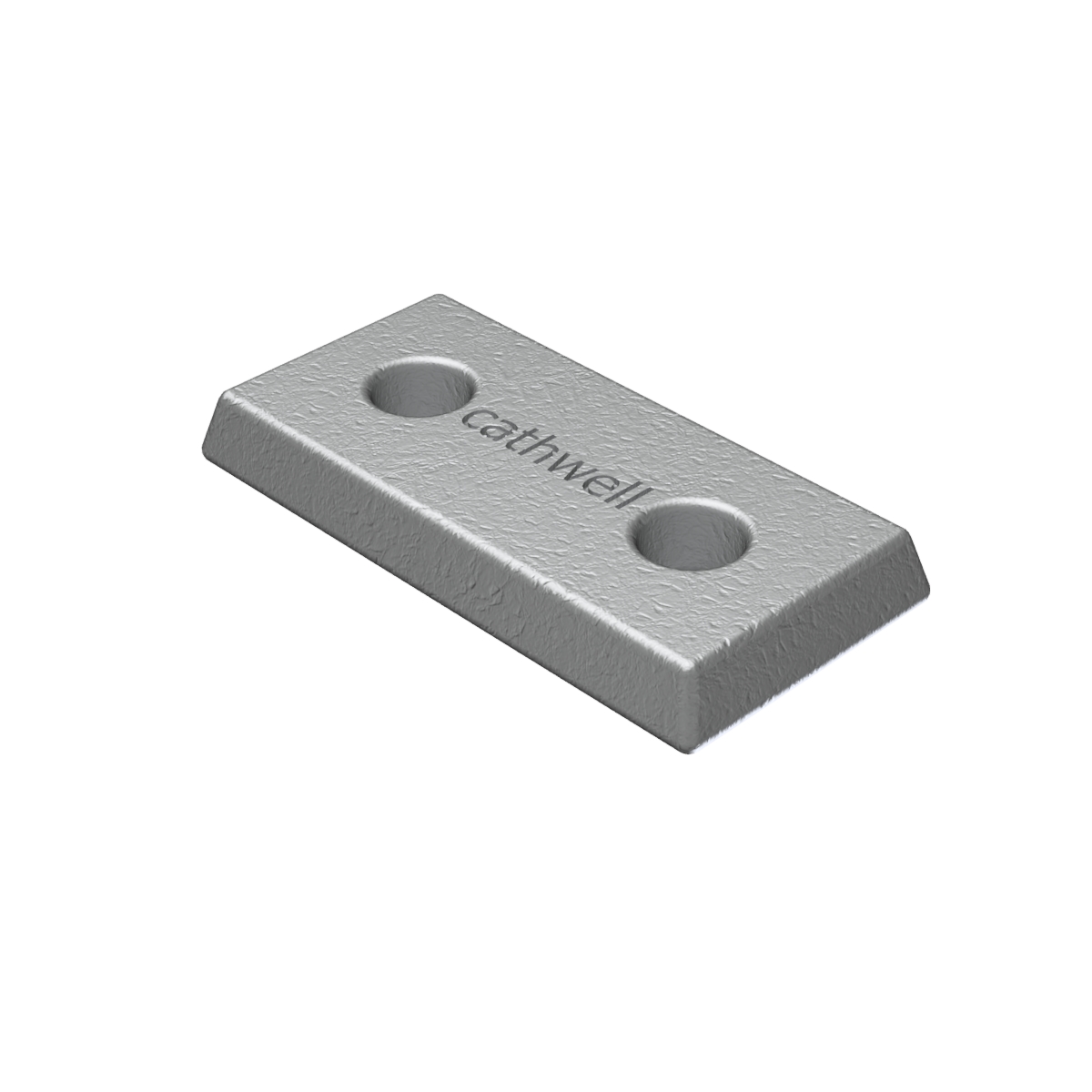
The effectiveness of zinc anode material hinges largely on its chemical composition. For optimal performance, high-purity zinc—typically 99.9% or greater—is used, often alloyed with small quantities of aluminum or cadmium to enhance its electrochemical behavior. Strict adherence to industry standards, such as ASTM B418 Type I and Type II, ensures that the material delivers consistent protective performance under varying environmental conditions.
Impurities such as iron, lead, or copper can dramatically reduce the efficiency of zinc anodes by altering their corrosion potential or initiating unwanted passivation. Therefore, sourcing zinc anodes from a manufacturer with rigorous quality control measures is essential for achieving predictable protection over time.
High-quality zinc anode material exhibits specific electrochemical characteristics, including a stable open-circuit potential and a high current efficiency, typically ranging from 90% to 95%. These metrics determine how effectively the anode delivers protective current to the structure without unnecessary material waste. Additionally, the anode’s resistivity and surface area influence its performance in different conductivity environments, such as seawater, brackish water, or soil.
Design engineers must also consider the anode’s dissolution rate, which directly impacts maintenance schedules and lifecycle costs. Premium-grade zinc anodes will dissolve evenly, without creating localized hot spots or causing unpredictable degradation of the protected surface.
Learn more: Zinc Ingot Uses, Global Market Trends & Industry Outlook
Zinc anodes are widely used in marine environments, where saltwater presents an aggressive corrosive threat to submerged or partially submerged metal structures. Vessels, offshore platforms, propellers, and hulls rely heavily on zinc anode material to maintain integrity and prolong service life. These anodes are typically attached to the hull or other exposed areas and require periodic inspection to ensure their continued effectiveness.
The performance of zinc in seawater is well-documented, making it the preferred choice for boats and ships, where access for frequent maintenance may be limited. Because zinc corrodes predictably, shipowners can plan replacement intervals and minimize operational disruptions.
Zinc anode material is also commonly employed in protecting buried pipelines and storage tanks, particularly in areas with high soil conductivity. In these applications, anodes are strategically placed to counteract stray currents and natural soil-induced electrochemical reactions that lead to pipeline degradation.
Compared to other galvanic anode materials like magnesium or aluminum, zinc offers a more balanced performance profile in terms of voltage potential and longevity, making it suitable for medium-resistivity soils. Its compatibility with various pipeline coatings and configurations enhances its flexibility across different installation scenarios.
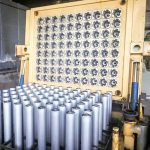
At Stavian Industrial Metal, the production of zinc anode material begins with the careful selection of high-purity raw zinc. This metal is then alloyed with trace elements—such as aluminum and cadmium in strictly controlled proportions—to meet specific performance criteria. The alloying process is performed in induction or resistance furnaces, ensuring uniform mixing and temperature stability. Once the desired chemical composition is achieved, the molten zinc is cast into anode molds of various sizes and configurations depending on the end-use application.
Each casting process is monitored to ensure homogeneity, correct grain structure, and optimal surface finish. This level of precision is vital, as inconsistencies during casting can result in uneven anode wear, compromised electrical performance, or mechanical failures in service.
After casting, each batch of zinc anode material undergoes a series of rigorous quality checks. These include spectrographic analysis to confirm chemical composition, electrochemical testing to verify open-circuit potential and current capacity, and physical inspections to identify surface or internal defects. Dimensional verification ensures the anodes meet customer specifications, especially for large-scale infrastructure projects where uniformity is critical.
At Stavian, our quality assurance program aligns with international standards such as ISO 9001 and ASTM B418, reinforcing our commitment to consistency, safety, and performance. Our lab technicians also simulate various environmental conditions to validate the anode’s real-world corrosion behavior before it leaves the production facility.
While magnesium anodes provide a higher driving voltage and are effective in high-resistivity soils, they tend to corrode more rapidly and may require more frequent replacement. In contrast, zinc anode material offers a lower voltage potential, making it safer in systems where overprotection could damage coatings or equipment. Additionally, zinc is less reactive, ensuring a more controlled and gradual consumption rate.
Zinc anodes are also more cost-effective over their lifecycle due to their longer service duration and lower maintenance requirements. For operators seeking a balance between protection, durability, and cost, zinc presents a strategic advantage in many standard cathodic protection scenarios.
Aluminum anodes are favored in some marine applications due to their lighter weight and higher current capacity per unit mass. However, they can suffer from passivation issues, particularly in low-chloride environments, which can render them inactive. Zinc anode material, on the other hand, is well-known for its consistent activation and performance across a broader range of water chemistries, including freshwater, brackish, and seawater.
Moreover, aluminum can pose environmental risks in certain regions due to the presence of indium and mercury in some alloys, whereas zinc anodes—especially those manufactured by Stavian—are free from harmful substances and designed with sustainability in mind.
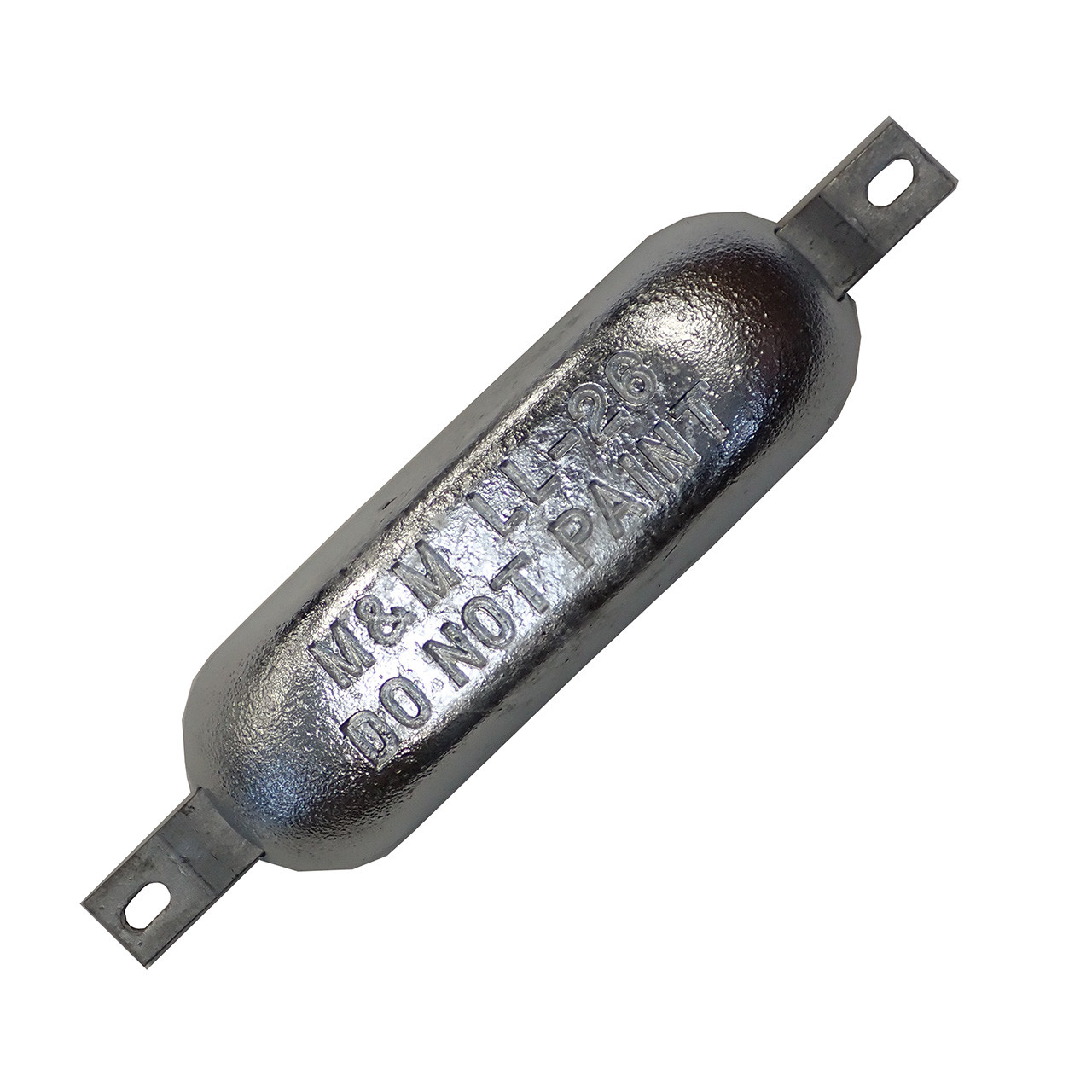
Selecting the correct size and shape of zinc anode material is crucial to ensuring optimal cathodic protection. Cylindrical, bracelet, or plate anodes are commonly used configurations, each designed to suit specific installation parameters and structural geometries. The anode’s surface area and mass directly affect its current output and service life.
Engineers must also account for proper placement to ensure uniform current distribution. Poorly positioned anodes can result in underprotected areas, leading to localized corrosion. Stavian offers custom fabrication services to design anode systems tailored to specific applications, ensuring comprehensive protection with minimal waste.
Soil resistivity, temperature, moisture content, and the electrical conductivity of surrounding materials all influence the performance of zinc anode material. Accurate environmental data collection and system modeling are essential to predict performance over time. Structural considerations, such as the type and thickness of coatings used on the protected metal, also determine the required anode output.
Our technical team at Stavian supports clients with design recommendations and performance modeling to optimize system layouts. By incorporating real-time monitoring and predictive maintenance tools, we help extend the life of protected assets and reduce unplanned downtime.
As global industries shift toward more sustainable operations, the demand for environmentally responsible materials is rising. Zinc anode material, when produced under strict environmental controls, offers a recyclable and non-toxic option for cathodic protection. At Stavian, our manufacturing facilities adhere to stringent emissions and waste management policies, ensuring minimal impact on ecosystems.
Furthermore, our zinc anodes are compliant with global environmental regulations, including RoHS and REACH. By eliminating hazardous additives and implementing eco-friendly production techniques, we align with our customers’ sustainability goals while maintaining superior product performance.
Zinc anodes also support long-term infrastructure sustainability by reducing the need for costly repairs, replacements, and energy-intensive reconstruction efforts. In applications such as water treatment plants, offshore platforms, and transportation infrastructure, this translates to measurable environmental and financial savings.
With advancements in material science and monitoring technology, the role of zinc anode material is expanding into new areas such as renewable energy, smart infrastructure, and subsea robotics. As structures become more complex and the environments more demanding, the need for high-performance, adaptable anode solutions is increasing.
At Stavian Industrial Metal, we are investing in R&D to develop next-generation zinc alloys with improved efficiency, longer service lives, and compatibility with advanced monitoring systems. These innovations will support the evolution of cathodic protection systems into intelligent, data-driven assets that deliver real-time performance feedback and predictive maintenance capabilities.
In addition, growing global investments in sustainable infrastructure and green energy are creating new markets for zinc anode applications—from offshore wind farms to electric vehicle charging infrastructure. As these sectors scale up, the demand for reliable, high-quality anodes will be greater than ever, and Stavian is committed to leading this transformation with cutting-edge solutions and unparalleled technical support.
For more information
Understanding Galvanizing Zinc: Process, Benefits, and Applications
Special High Grade Zinc: Properties, Uses and Market Outlook
High-Precision Die Casting Zinc Alloy Solutions for Industry
Address
Website: https://stavianmetal.com
Email: info@stavianmetal.com