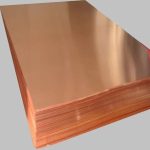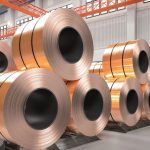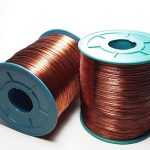
As a trusted name in the global industrial landscape, Stavian Industrial Metal is committed to delivering high-quality solutions in metal processing. With state-of-the-art technology, strict quality control systems, and a deep understanding of market demands, we provide tailored services that meet the highest international standards. Whether it’s cutting, forming, welding, or surface treatment, our expert team ensures every step of the process is optimized for efficiency, durability, and performance. Looking to enhance your production capabilities or streamline your supply chain? Stavian Industrial Metal is your strategic partner in achieving excellence through precision-driven metal processing.
Metal processing is a comprehensive term that encompasses a wide range of operations used to transform raw metal materials into finished or semi-finished components. These processes are essential to various industries such as construction, automotive, aerospace, electronics, and manufacturing. At its core, metal processing involves manipulating the physical and sometimes chemical properties of metals to achieve desired shapes, dimensions, surface qualities, and performance characteristics.
This industry relies heavily on scientific principles and advanced technologies. From traditional methods like forging and casting to high-precision CNC machining and laser cutting, each technique serves a specific purpose depending on the type of metal and the end application. The accuracy and efficiency of these processes directly impact the quality of the final product, making metal processing a critical component in the value chain of industrial production.
Modern facilities like those operated by Stavian Industrial Metal integrate automation and real-time monitoring systems to maximize efficiency and consistency. As global markets demand faster turnaround times and tighter tolerances, businesses must rely on expert metal processing partners to stay competitive and deliver superior products.
Read more: Industrial Metal Processing Solutions for Modern Manufacturing
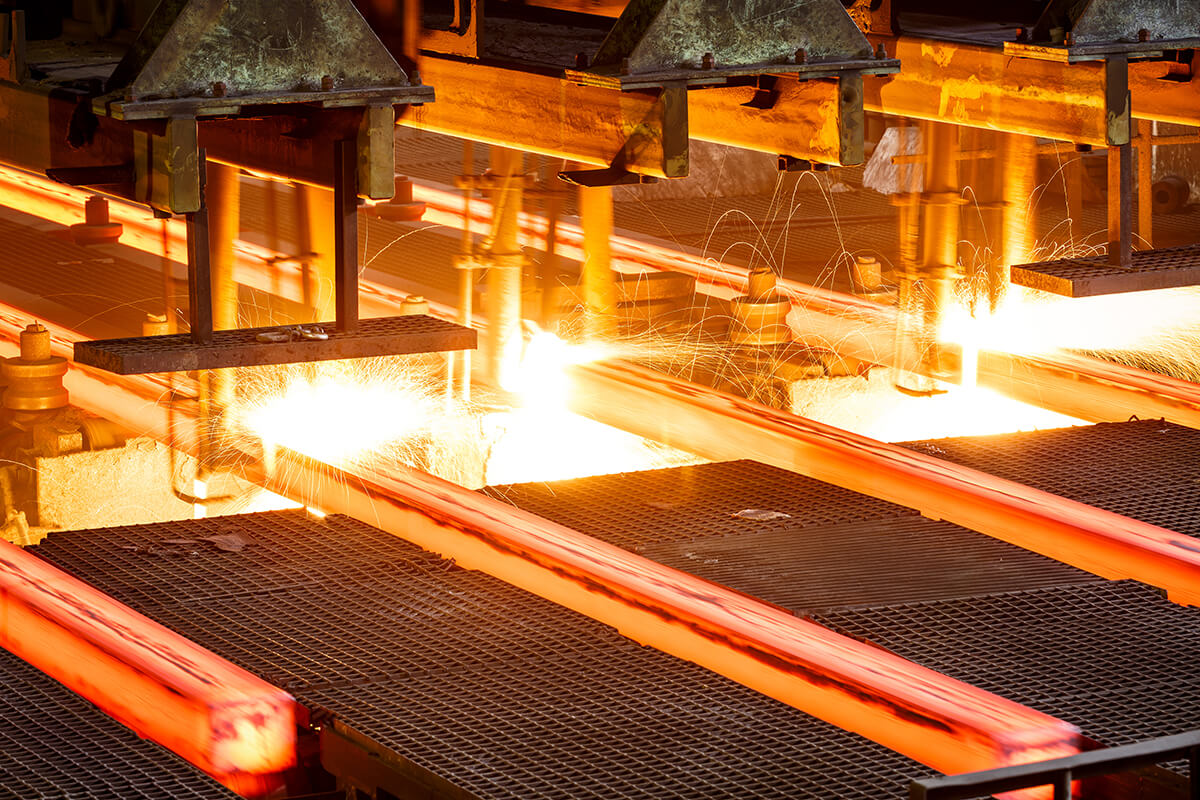
Metal processing involves a variety of core techniques, each suited for particular tasks and materials. Understanding these methods helps businesses choose the most effective solution for their specific project requirements.
Cutting and machining are essential in shaping metal workpieces into precise components. This includes both traditional methods such as sawing, drilling, and milling, as well as modern technologies like laser cutting, waterjet cutting, and electrical discharge machining (EDM).
Stavian Industrial Metal utilizes a combination of these techniques to deliver solutions tailored to each client’s technical drawings and specifications. Proper planning in the cutting phase ensures material optimization and minimizes waste, a factor that plays into cost-effectiveness and sustainability.
Forming processes such as bending, rolling, stamping, and extrusion are used to alter the shape of metal without removing material. These methods are crucial for producing complex geometries or structural elements.
At Stavian Industrial Metal, precision forming ensures structural integrity and maintains tight tolerances across large-scale production runs. Advanced forming equipment, supported by skilled technicians, allows us to work with a wide range of metals including steel, aluminum, copper, and specialty alloys.
Read more: Flat steel, what is it? Classification of 40×4 and 50×5 Flat Steel
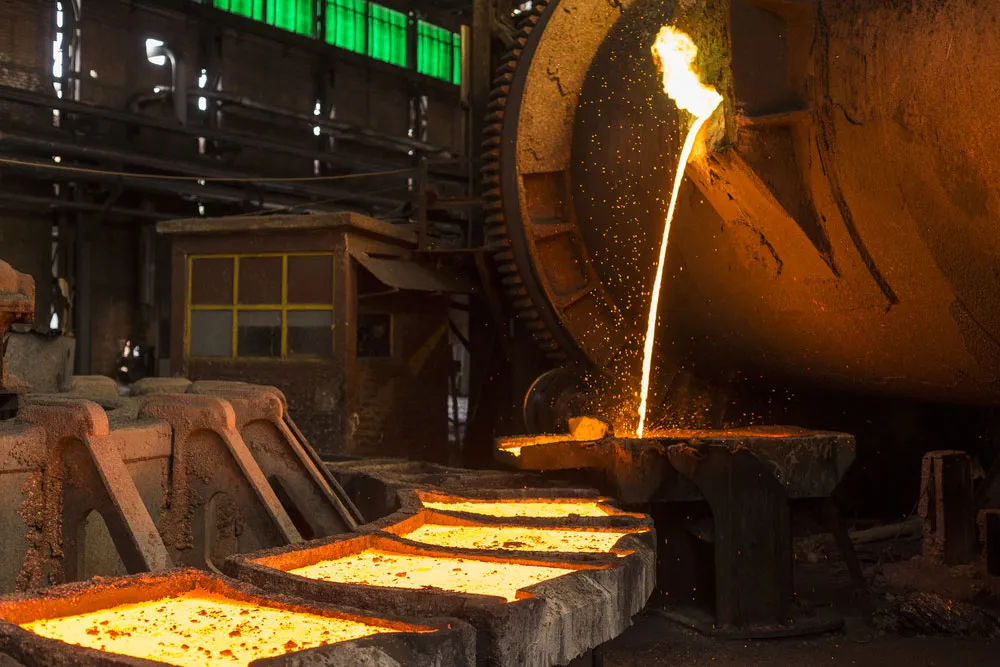
Surface treatment plays a crucial role in enhancing the performance, appearance, and durability of metal components. These finishing processes not only improve resistance to corrosion and wear but also allow for better bonding of paints or adhesives.
There are several common surface treatment methods used in the metal processing industry:
Each of these methods serves a different function, and the selection depends on both the material and the end-use environment. For example, marine equipment requires more intensive anti-corrosion treatments than interior decorative fixtures.
Quality control during surface treatment is non-negotiable. Uneven coatings, contamination, or improper application can lead to premature failure of the component. At Stavian Industrial Metal, we employ automated inspection systems and adhere to international standards to ensure flawless results. Whether the goal is functional durability or high-end visual appeal, our finishing processes meet the highest benchmarks for excellence.
Read more: Explore ADC12 Ingot: Properties, Uses & Manufacturing Insights
The evolution of metal processing has been significantly influenced by advancements in digital technology and automation. In today’s industrial landscape, efficiency, precision, and scalability are not just advantages—they are necessities. At Stavian Industrial Metal, we invest in state-of-the-art technologies that redefine traditional manufacturing approaches.
Computer Numerical Control (CNC) systems have revolutionized the way metal is processed. These systems allow machines to operate with exceptional accuracy based on pre-programmed software, enabling:
With CNC-enabled machinery, we can process metals ranging from common steel to specialty alloys with minimal downtime. The integration of robotics further enhances safety and productivity by handling repetitive or hazardous tasks.
Another innovation shaping modern metal processing is digital simulation. Before actual fabrication begins, digital twins and CAD/CAM software simulate the behavior of materials under specific stresses and temperatures. This helps optimize design and predict outcomes with high accuracy.
Real-time monitoring and non-destructive testing (NDT) are also critical. They ensure that each batch meets structural and dimensional standards, especially in industries like aerospace or medical equipment where reliability is paramount.
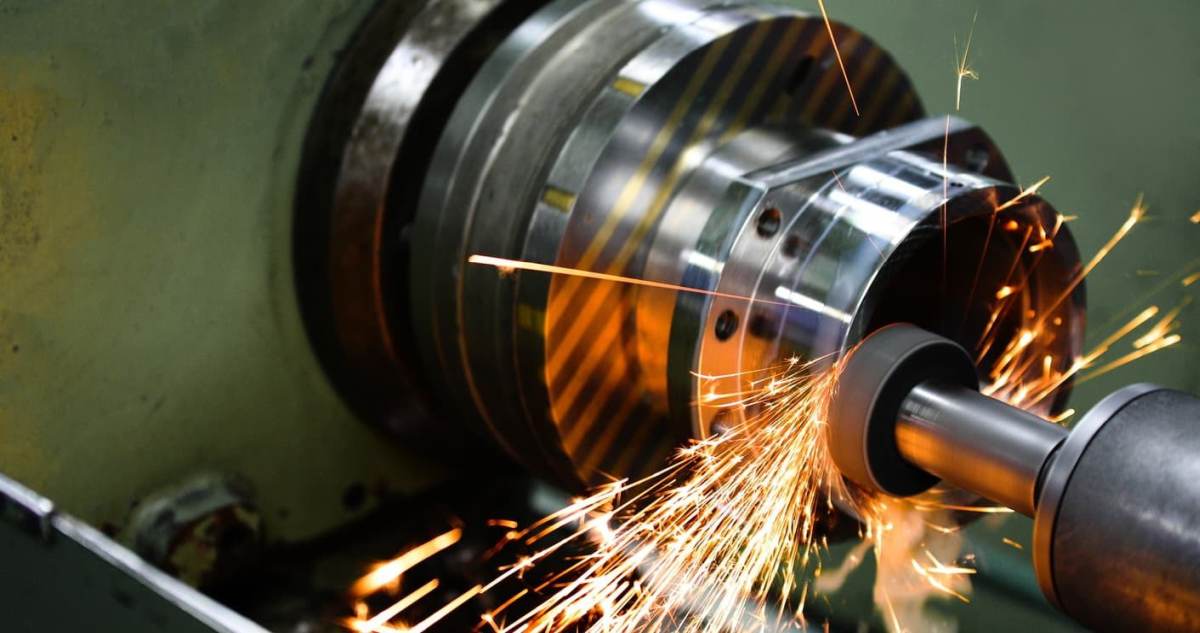
Metal processing is at the heart of many industrial applications. Each sector has unique demands, and customized processing solutions ensure that components not only fit specifications but also deliver long-term value.
In the construction industry, processed metal is used for structural frameworks, bridges, pipelines, roofing systems, and more. Durability and strength are key, requiring precise cutting, welding, and surface protection treatments.
Stavian Industrial Metal delivers large-scale steel fabrication and customized profiles used in high-rise buildings and civil infrastructure. Weather-resistant coatings and corrosion-proofing treatments are applied to extend the lifespan of these structural elements, especially in harsh climates.
The automotive sector demands lightweight yet strong metal components that meet strict safety and emission standards. Aluminum alloys and high-strength steel are widely used in vehicle bodies, chassis, and engine parts.
Metal processing in this field involves deep drawing, precision welding, and high-tolerance machining. At Stavian Industrial Metal, we support Tier 1 and Tier 2 automotive suppliers by delivering pre-assembled or semi-finished parts ready for integration on assembly lines, backed by rigorous quality documentation.
Energy-related applications, including oil and gas, wind, and solar, rely on heavy-duty metal components. These parts must endure extreme environments such as high pressure, temperature variations, and corrosive substances.
We manufacture turbine parts, heat exchangers, piping systems, and structural supports that meet international energy standards. High-grade stainless steels and treated alloys are used to ensure performance in demanding conditions.
Sustainability is becoming a central concern in manufacturing, and metal processing is no exception. As environmental regulations tighten and customers seek greener solutions, companies must adapt their practices to align with sustainability goals.
Metals are highly recyclable, making them ideal for circular production models. At Stavian Industrial Metal, we implement closed-loop systems where metal scrap is collected, sorted, and reintegrated into the production cycle. This not only reduces raw material costs but also minimizes environmental impact.
Moreover, optimization software is used during the planning phase to ensure maximum material yield from each sheet or billet, thereby reducing off-cuts and waste.
Energy-intensive processes such as melting, forming, and finishing are being reengineered to use less power. We adopt energy-efficient furnaces, regenerative burners, and smart controls that reduce fuel consumption.
Air filtration systems and emissions monitoring ensure compliance with environmental standards, while also creating a safer working environment. As part of our commitment to ESG goals, we continually invest in greener technologies and training programs to promote environmental awareness across all levels of operation.
Partnering with the right metal processing provider can significantly influence a project’s success. Beyond price and delivery time, businesses must evaluate a supplier’s technical capabilities, certifications, and industry expertise.
Stavian Industrial Metal stands out by offering end-to-end services—from design consultation to material sourcing, fabrication, and final assembly. Our commitment to precision, innovation, and sustainability ensures that our clients receive reliable and forward-thinking solutions tailored to their industry needs.
We serve a diverse global clientele, backed by ISO-certified processes, highly trained professionals, and a robust logistics network. Whether it’s a prototype or a full-scale production run, our focus remains on delivering quality without compromise.
Address
Website: https://stavianmetal.com
Email: info@stavianmetal.com