As global industries evolve and demand for raw materials continues to rise, businesses are increasingly turning to strategic solutions in metal trading to ensure a stable and competitive supply chain. Stavian Industrial Metal is committed to delivering comprehensive and efficient trading services across a wide range of ferrous and non-ferrous metals. With a deep understanding of international markets and strong relationships with reputable suppliers and buyers, we offer clients a reliable gateway into the dynamic world of metal trading. Our expertise enables partners to optimize costs, manage risks, and maintain consistent quality—essential factors in today’s fast-paced industrial landscape.
The metal trading industry plays a crucial role in the global economy by facilitating the exchange of raw and semi-processed metals used across numerous sectors. From construction and automotive to aerospace and renewable energy, the need for metals like copper, aluminum, steel, and nickel continues to grow. Metal trading ensures that these essential materials are available where and when they are needed, supporting large-scale manufacturing and infrastructure development.
Traders act as intermediaries between producers and end users, navigating complex international markets, price volatility, and logistical challenges. This demands not only market knowledge but also an ability to assess geopolitical risks, environmental factors, and demand fluctuations. Moreover, regulations and compliance measures related to origin tracing, sustainability, and financial transparency add layers of complexity to the business.
In such a fast-paced environment, companies that engage in metal trading must be agile, resourceful, and highly informed. The ability to forecast trends and react quickly to supply chain disruptions is not just a competitive advantage—it is a necessity.
Read more: Explore Metal Processing: Key Techniques and Industry Uses
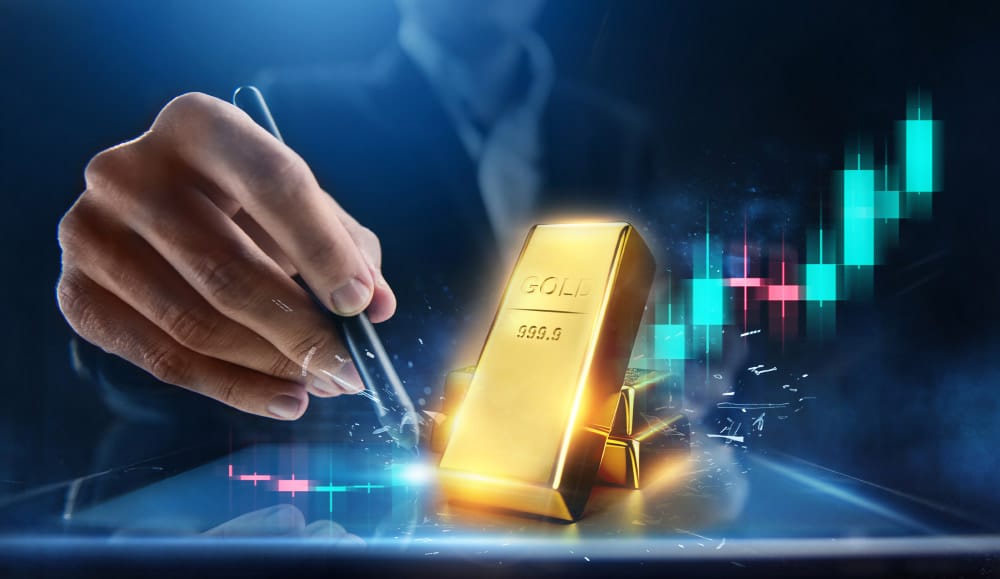
Metal trading encompasses a wide spectrum of materials, each with its own market dynamics, industrial applications, and pricing mechanisms. Understanding the classification of traded metals helps businesses choose the right products for their needs and manage procurement efficiently.
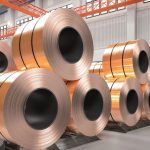
Ferrous metals, which primarily include iron and steel, are the backbone of infrastructure and industrial production. These metals are used in construction, transportation, machinery, and many everyday products. Steel, in particular, is traded in various forms such as hot-rolled coils, billets, and rebar.
Due to their heavy use in civil engineering and urban development, ferrous metals are heavily influenced by regional construction booms and government infrastructure policies. Prices can also fluctuate based on the availability of raw materials like iron ore and coking coal, as well as energy costs and environmental regulations.
Traders in ferrous metals must monitor global steel output, import-export tariffs, and shifts in demand from sectors like automotive and shipbuilding to make informed decisions and secure profitable contracts.
Non-ferrous metals do not contain iron and are valued for their lightweight properties, corrosion resistance, and high conductivity. These include aluminum, copper, zinc, lead, and nickel—each vital to various modern technologies and industries.
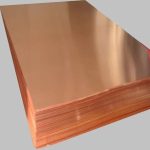
Copper, for instance, is critical for electrical wiring and renewable energy systems. Aluminum is widely used in transportation, packaging, and construction due to its strength-to-weight ratio. Nickel is essential in producing stainless steel and advanced batteries for electric vehicles.
Non-ferrous metal markets are often more sensitive to economic indicators, technological advancements, and geopolitical tensions. The rise in green technologies and energy transition efforts has created new demand patterns, making trading strategies more data-driven and sustainability-focused.
Read more: Industrial Metal Processing Solutions for Modern Manufacturing

In the realm of metal trading, global commodity exchanges and digital marketplaces are central to pricing transparency, contract standardization, and risk management. These platforms enable traders to buy and sell metals through spot contracts, futures, and options, offering flexibility and protection against market volatility.
Some of the most prominent exchanges in metal trading include:
Traders use these exchanges not only for speculative purposes but also for physical hedging. They lock in prices to secure profit margins, minimize losses, and plan long-term procurement or sales.
In recent years, digital trading platforms have emerged as powerful tools that streamline procurement, enhance price discovery, and improve documentation processes. These platforms offer real-time access to pricing trends, inventory data, and transaction records, increasing efficiency and transparency in metal trading.
Companies investing in digital transformation gain competitive advantages by reducing administrative overhead, improving supply chain visibility, and accessing broader markets with fewer intermediaries.
Price movements in metal trading are influenced by a combination of macroeconomic, geopolitical, and industrial factors. A deep understanding of these variables enables traders to better predict market shifts and negotiate more effectively.
The basic principles of supply and demand remain at the heart of metal pricing. When production increases or demand weakens, prices typically fall. Conversely, supply shortages or surging demand can lead to price spikes.
Traders track production reports, consumption forecasts, and inventory data to adjust their strategies accordingly.
Metals are global commodities, and their trade is sensitive to broader economic trends and political developments. For example:
By staying informed about international news and macroeconomic reports, traders can anticipate disruptions and capitalize on market opportunities.
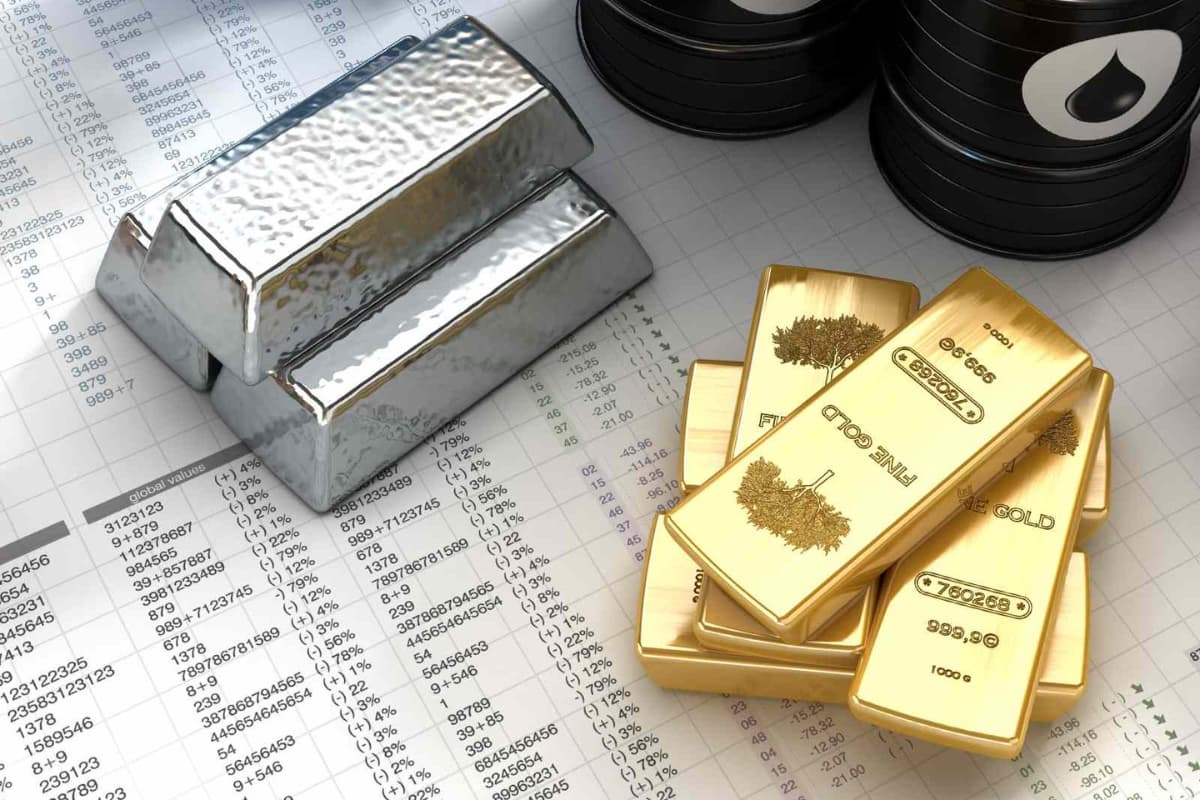
Risk is an inherent part of metal trading due to the volatility of global markets and the complexity of supply chains. Successful traders and trading firms implement robust risk management frameworks to safeguard margins and ensure consistent business performance.
One of the most widely used risk management tools in metal trading is hedging through futures, options, and swaps. These instruments allow traders to lock in prices for future transactions, protecting them against unfavorable market movements.
By using these instruments strategically, companies can manage both price and credit risk, improving cash flow predictability and reducing the impact of market uncertainty.
Another vital risk mitigation strategy involves diversifying sourcing regions and maintaining a strong, reliable network of suppliers. This reduces dependence on a single market or geopolitical zone, which can be disrupted by sanctions, natural disasters, or logistical blockages.
In addition to supplier diversification, maintaining inventory buffers and using just-in-time logistics ensures greater control over delivery schedules and production continuity. Stavian Industrial Metal emphasizes building long-term, trust-based partnerships with global suppliers to ensure stability and resilience in supply chains.
In recent years, sustainability and regulatory compliance have become critical factors in the metal trading landscape. Buyers, investors, and end consumers increasingly demand transparency regarding sourcing practices, environmental impact, and labor conditions.
Trading firms must now go beyond profit metrics to incorporate Environmental, Social, and Governance (ESG) standards into their operations. This includes:
Companies like Stavian Industrial Metal are adopting ESG frameworks not only to meet legal requirements but also to align with global sustainability goals and investor expectations. Transparent reporting and third-party audits play an important role in validating ESG commitments.
Metal trading is subject to multiple layers of international and domestic regulation. These may include:
Compliance teams within trading companies must stay updated with changing regulations to avoid penalties, delays, or reputational damage. Digital compliance tools and regulatory risk assessments are now standard practices in sophisticated trading environments.
Logistics is a fundamental pillar of successful metal trading. Moving large volumes of raw materials across continents requires precise coordination, cost control, and adaptability.
Metals are typically shipped in bulk via maritime freight, rail, or road transport. Ensuring the safety, timeliness, and cost-efficiency of this movement is key to maintaining profitability.
At Stavian Industrial Metal, our logistics operations are designed to offer flexible, scalable solutions that meet the specific needs of our clients. Whether handling bulk shipments of aluminum ingots or delivering customized steel coils, we prioritize reliability and transparency at every step.
The metal trading sector is increasingly embracing digital technologies to improve supply chain visibility, reduce costs, and enhance decision-making. Key innovations include:
These technologies empower companies to respond swiftly to disruptions, optimize resources, and ensure compliance. Investing in digital infrastructure is no longer optional but a critical requirement for long-term competitiveness.
For businesses that rely on a stable and cost-effective supply of metals, selecting the right trading partner is critical. A professional metal trading company should not only offer competitive pricing but also bring expertise, market insight, and operational efficiency.
When evaluating a potential metal trading partner, consider the following criteria:
Stavian Industrial Metal is recognized for its integrated approach to metal trading, combining global reach with personalized service. Our commitment to quality, transparency, and long-term client relationships sets us apart in a competitive market.
Beyond buying and selling metals, top-tier trading firms offer value-added services to enhance the customer experience. These may include:
By providing these services, companies like Stavian Industrial Metal support clients not only in procurement but throughout the value chain, contributing to improved efficiency, cost savings, and business growth.
Address
Website: https://stavianmetal.com
Email: info@stavianmetal.com