At Stavian Industrial Metal, we are committed to delivering cutting-edge solutions in the field of industrial metal processing. With a focus on precision, efficiency, and innovation, we provide comprehensive services that meet the evolving demands of global industries. From sourcing high-quality raw materials to executing advanced techniques in cutting, forming, and finishing, our expertise ensures exceptional results for every project. Industrial metal processing plays a crucial role in manufacturing and infrastructure development, and our state-of-the-art facilities are equipped to handle large-scale operations while maintaining the highest standards of quality and sustainability. By integrating modern technologies and a highly skilled workforce, we support clients across various sectors, including automotive, construction, energy, and heavy machinery, helping them optimize performance and reduce production costs. Partnering with Stavian Industrial Metal means choosing reliability, technical excellence, and a strategic approach to long-term growth.
Industrial metal processing refers to the series of mechanical and chemical operations used to transform raw metal materials into finished or semi-finished products suitable for industrial use. This complex field is foundational to the manufacturing ecosystem, supporting sectors such as construction, automotive, aerospace, electronics, and energy infrastructure.
At its core, industrial metal processing encompasses several techniques—cutting, forming, casting, joining, and surface treatment—each tailored to specific material properties and end-product requirements. These operations require a deep understanding of metallurgy, thermodynamics, and precision engineering. At Stavian Industrial Metal, we integrate advanced technologies and refined methodologies to ensure consistent product quality and operational efficiency, contributing to the durability, strength, and versatility of metal components.
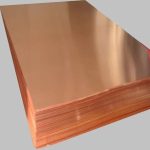
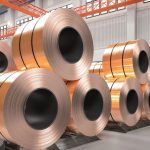
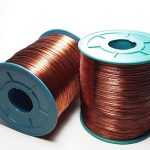
Our team is adept at handling a broad spectrum of metals including steel, aluminum, copper, and specialty alloys. With rising demand for lightweight and high-performance materials, we continuously innovate to meet evolving industry standards and client-specific specifications.
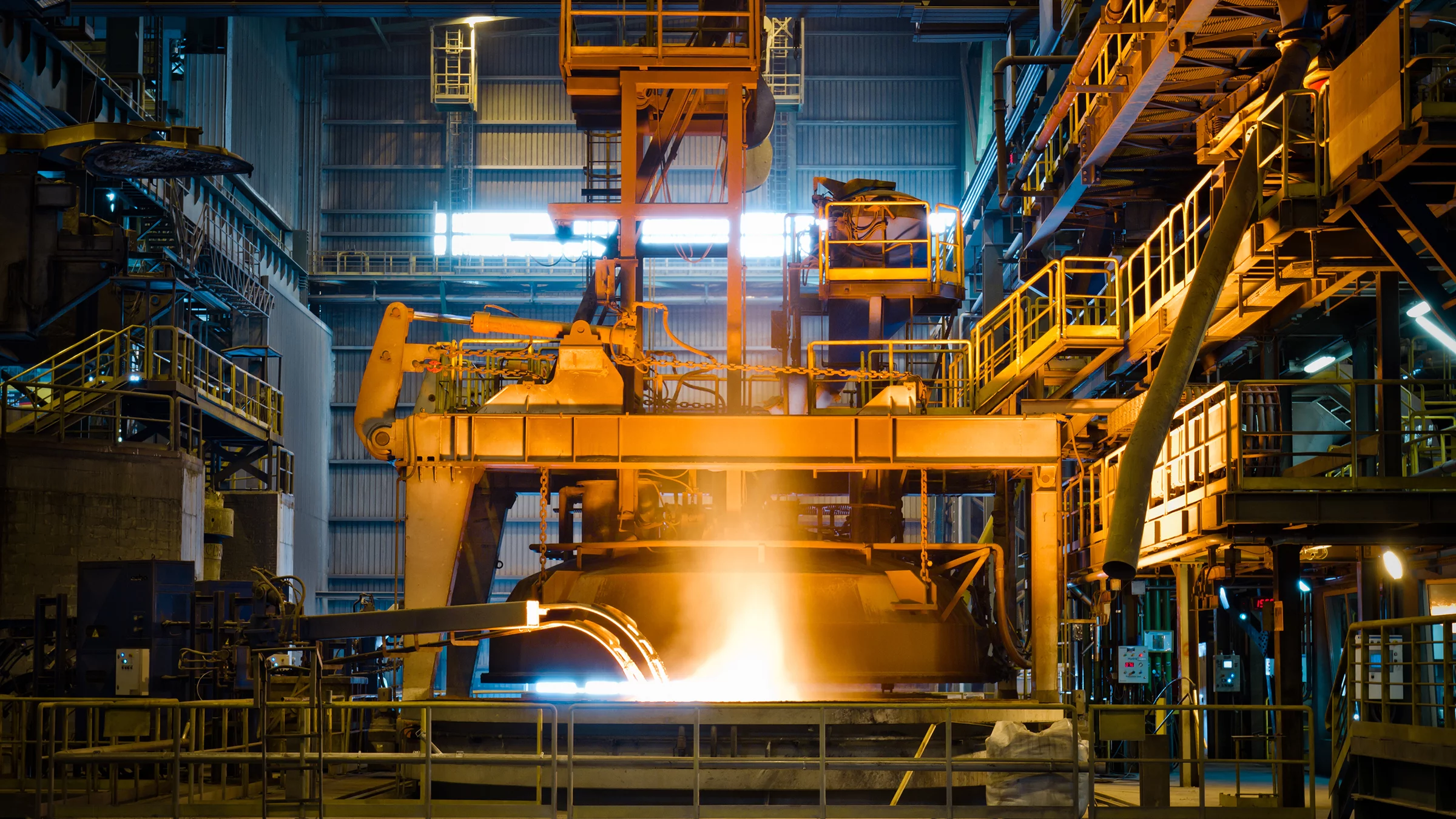
As technology advances, industrial metal processing has evolved from manual techniques to highly automated, data-driven systems. Each process is selected based on factors such as the type of metal, design complexity, tolerance requirements, and production volume.
Cutting and machining are essential to shaping metal into desired dimensions and profiles. Methods include:
These techniques allow for high repeatability and tight tolerances, critical in sectors such as aerospace and electronics. At Stavian, our investment in automated cutting lines enhances productivity and minimizes material waste.
Forming involves altering the metal’s shape without removing material, preserving strength and minimizing scrap. Major forming techniques include:
Each method demands careful control of pressure, temperature, and tooling to maintain consistency and reduce internal stress. Our precision forming systems are designed to produce components with exact specifications while reducing cycle times.
Heat treatment is a critical step in modifying the physical and mechanical properties of metals, including hardness, ductility, and resistance to wear. The process involves controlled heating and cooling cycles, and its success depends on the metal’s composition and intended application.
Annealing softens the metal, improves ductility, and relieves internal stresses—ideal for components that will undergo further forming. Normalizing, on the other hand, refines grain structure and enhances toughness, commonly used in steel processing.
Quenching rapidly cools metal, typically in water or oil, to increase hardness. However, it may introduce brittleness, which is addressed through tempering—a reheating process that improves toughness without significantly reducing hardness.
These techniques are foundational in preparing metals for high-stress environments, such as engine parts and structural frameworks. At Stavian, we apply precise thermal profiles monitored in real-time to ensure metallurgical integrity.
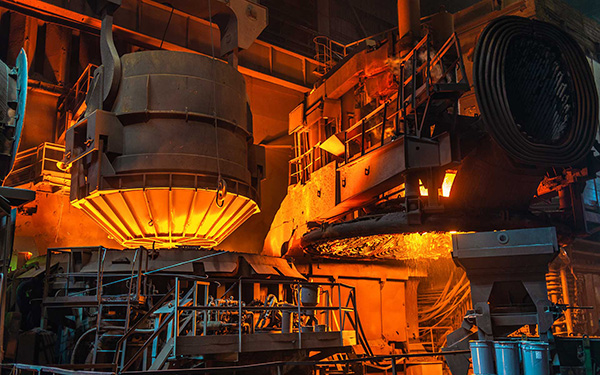
Surface treatment enhances not only the appearance of metal parts but also their functional properties, such as corrosion resistance, conductivity, and wear resistance. In industrial metal processing, finishing steps are integral to performance and longevity.
Common surface treatments include:
These processes demand precise chemical compositions and application conditions. We utilize eco-friendly, REACH-compliant surface technologies that align with global environmental standards.
Mechanical finishing includes processes such as polishing, grinding, and shot blasting, which prepare surfaces for final coating or improve smoothness and reflectivity. These steps are critical in applications requiring tight cosmetic and dimensional standards, such as consumer electronics or architectural elements.
At Stavian, we maintain strict process control during finishing to ensure that each component meets customer specifications and industry compliance requirements.
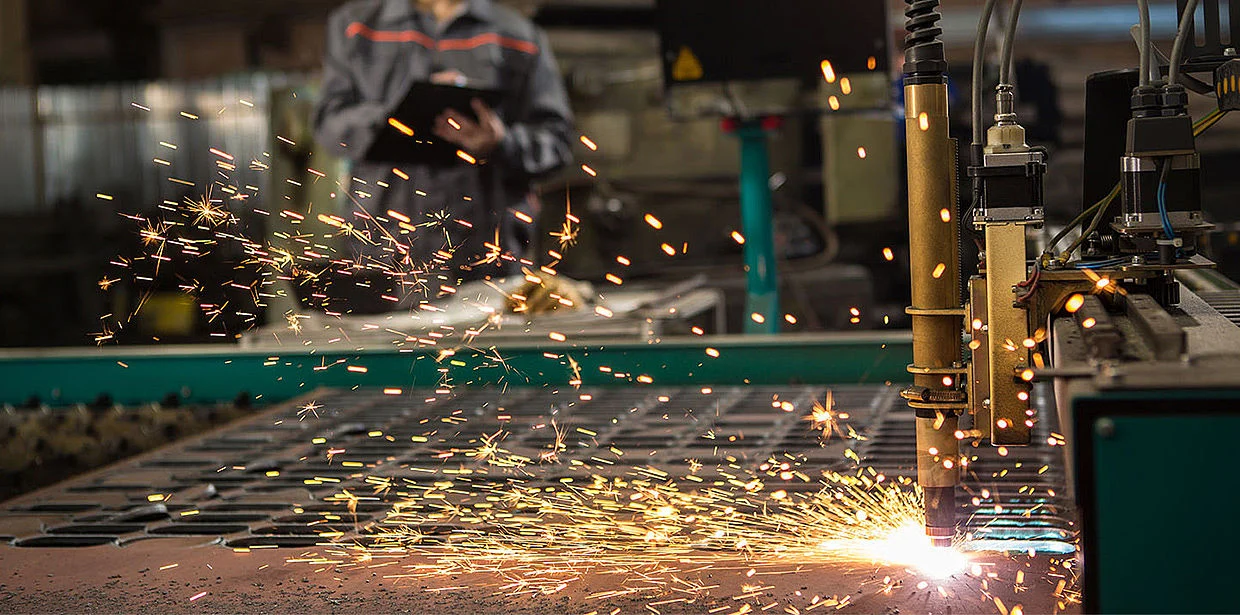
The industrial metal processing industry is undergoing a significant transformation through the adoption of automation and digital technologies. These advancements not only enhance production efficiency but also improve safety, traceability, and quality control across the supply chain.
At Stavian Industrial Metal, we leverage smart manufacturing principles by integrating computer-aided design (CAD), computer-aided manufacturing (CAM), and real-time data analytics into our operations. This enables us to:
Automation systems such as robotic arms, programmable logic controllers (PLCs), and IoT sensors are deployed across various stages of production, allowing us to meet high-volume demands without compromising on quality or precision.
By collecting data from machines and processing units, we can monitor key performance indicators (KPIs) and material behavior during processing. This empowers us to make informed decisions that improve throughput, reduce waste, and ensure consistent product quality. Additionally, digital twin technologies and simulation tools help us predict material performance and refine processing parameters before physical production begins.
As global industries place greater emphasis on environmental responsibility, sustainable practices in industrial metal processing have become a business imperative. At Stavian, we are committed to reducing our ecological footprint through efficient resource management and eco-conscious technologies.
We continuously invest in energy-efficient equipment and optimize our heating, cooling, and ventilation systems to lower energy consumption during processing. Innovations such as regenerative burners in furnaces and variable frequency drives in machinery contribute to significant energy savings.
Furthermore, we prioritize closed-loop cooling systems and heat recovery methods that minimize thermal energy waste and reduce greenhouse gas emissions across our facilities.
Our processing plants are designed with recycling and material reuse in mind. Metal scrap generated during cutting or machining is collected, sorted, and returned to the production cycle where feasible. We also partner with specialized recycling providers to handle alloy-specific residues and coatings responsibly.
In chemical processes, we treat and neutralize waste fluids to meet regulatory discharge standards, ensuring minimal impact on water systems and soil quality. These practices align with international environmental standards and position us as a responsible industrial partner.
Consistency and compliance are non-negotiable in industrial metal processing. To guarantee quality, we follow rigorous testing protocols and international certification frameworks that validate the integrity of every product that leaves our facilities.
Our quality control laboratories employ a combination of destructive and non-destructive testing (NDT) methods, including:
Each batch undergoes thorough inspection to ensure it meets dimensional tolerances, surface finish requirements, and performance expectations.
Stavian Industrial Metal operates under ISO 9001 for quality management systems, and our products comply with ASTM, DIN, and JIS standards depending on the market requirements. These certifications reflect our commitment to delivering reliable, globally accepted metal components.
The reach of industrial metal processing is vast, with diverse applications tailored to the needs of each sector. Our capabilities are structured to serve the unique demands of industries such as automotive, energy, construction, and heavy machinery.
Automotive and Transportation
We supply components for chassis systems, engine parts, brake assemblies, and body structures, meeting the high-strength and lightweight requirements essential in modern vehicles. Advanced forming and heat treatment techniques are critical to achieving the durability and performance needed in dynamic environments.
Energy and Infrastructure
In the energy sector, our products support wind turbines, solar panel frameworks, pipelines, and electrical transmission systems. Corrosion resistance and load-bearing strength are key factors, and our surface treatments are designed to extend operational life in harsh conditions.
Construction and Architecture
From steel beams to decorative panels, our processed metals form the backbone of residential, commercial, and industrial buildings. We ensure compliance with structural standards and offer aesthetic customization for architectural metals.
Future Trends in Industrial Metal Processing
Looking ahead, industrial metal processing will continue to evolve in response to emerging technologies and global demands for resilience, customization, and sustainability.
Additive Manufacturing (3D Printing)
Though traditionally not used for high-volume metal production, additive manufacturing is gaining ground for prototyping and producing complex geometries that are difficult to machine. This method reduces material waste and opens up new possibilities in product design.
Advanced Alloys and Material Science
As industries demand materials with higher strength-to-weight ratios, better corrosion resistance, and improved thermal performance, research into new alloys and composite metals is accelerating. We actively monitor these trends to incorporate suitable materials into our processing capabilities.
Digital Traceability and Blockchain
Ensuring full traceability of metal parts from raw material to final product is becoming increasingly important. Blockchain and digital ledger technologies can offer secure, tamper-proof records that enhance transparency and trust across the supply chain.
At Stavian Industrial Metal, we are prepared to embrace these advancements, continuously upgrading our expertise and infrastructure to meet the future of industrial metal processing with confidence and responsibility.
Address
Website: https://stavianmetal.com
Email: info@stavianmetal.com